Alitura Organics
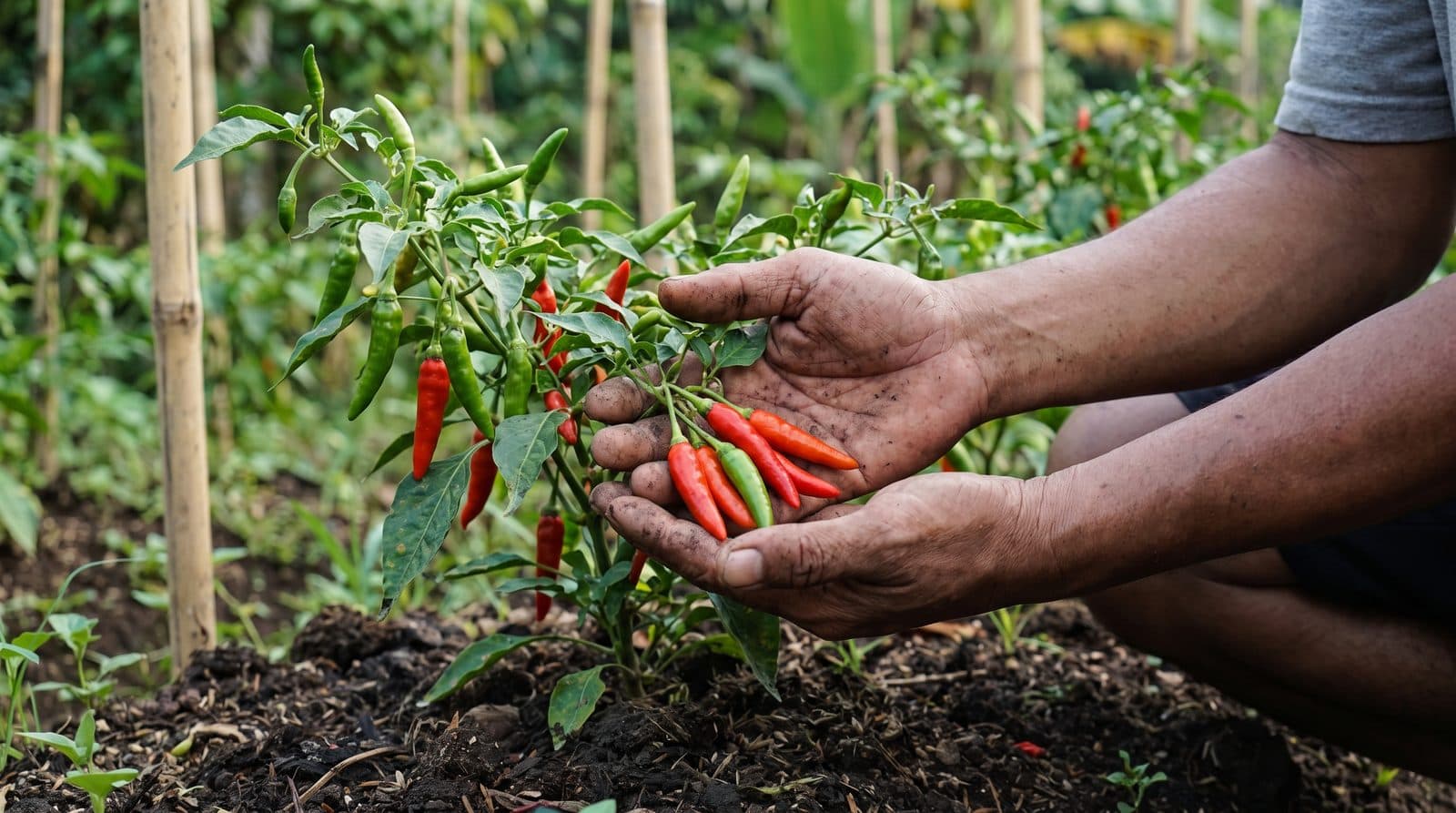
Healthy red and green chili peppers growing among dense leaves in an Indonesian vegetable bedVegetables

Crop growing guide

Chili Pepper

Capsicum spp.

A fast, continuously fruiting vegetable that needs warm sun, free drainage, even moisture, and small nutrient applications through the season.

Chili is productive when roots stay aerated and the plant receives steady—not excessive—nutrition. Indonesian cultivation guidance places cayenne chili broadly around 25–32°C and pH 5.5–6.8 or 7.0, with loose, fertile soil rich in organic matter. Waterlogged beds encourage leaf drop and wilt problems, while severe drying interrupts flower and fruit development.

The nutritional emphasis changes quickly: seedlings need restrained feeding, vegetative plants need enough nitrogen to build canopy, and flowering plants need phosphorus and potassium without a late nitrogen surge. Because harvest continues in waves, smaller repeat applications are easier to manage than a single heavy dose.

Ideal growing conditions

Light
Full sun, ideally 6–8 hours of direct light; protect young transplants from abrupt midday stress.
Climate
Warm conditions around 25–32°C with useful air movement and humidity that does not remain excessive around foliage.
Water
Keep moisture even but never waterlog the bed. Drip or root-zone watering helps keep foliage drier.
Soil
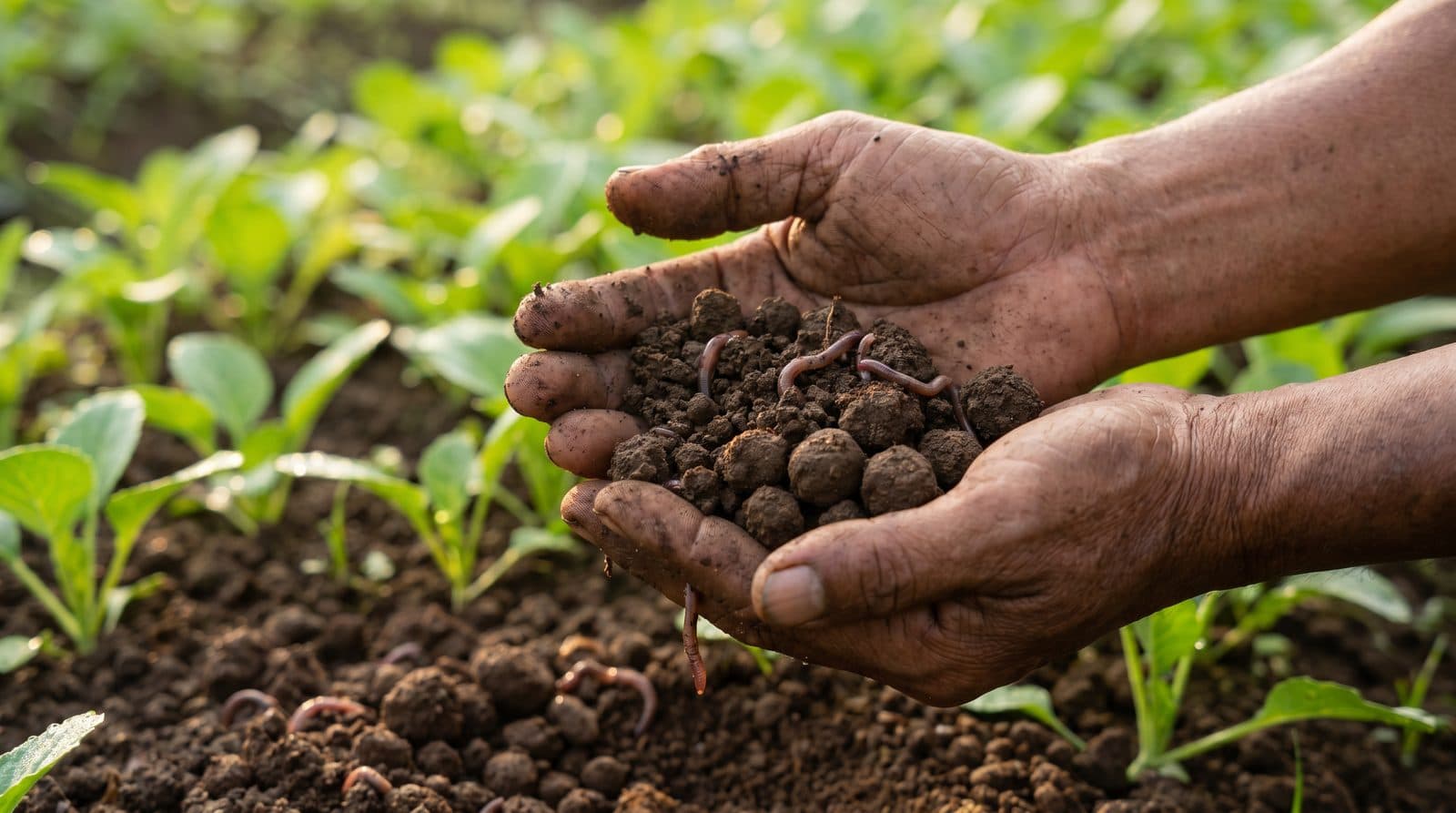
Loose, fertile, organic-rich soil in raised or well-drained beds; avoid compacted soil and recent Solanaceae disease carryover.
Soil pH
5.5–6.8

Nutrition by growth stage

1

Seedling

Germination until 4–5 true leaves

Fine roots, gentle nutrition, clean media

Use a clean, airy medium and avoid concentrated fertilizer. Seed reserves and a modest nutrient supply are enough until roots fill the plug and transplants are ready.

2

Vegetative growth

After transplant establishment until first buds

Balanced NPK, roots, branch framework

Build enough leaf area and branching to carry fruit. Nitrogen is useful here, but overfeeding creates soft foliage and delays the crop’s reproductive balance.

3

Bud formation and flowering

From first visible buds through early fruit set

Phosphorus, potassium, stable moisture

Shift away from heavy nitrogen. Keep phosphorus and potassium available and avoid moisture swings that increase flower drop.

4

Continuous fruiting and harvest

Fruit enlargement through repeated harvests

Potassium, balanced repeat feeding, root health

Chili keeps flowering while earlier fruit fills. Use small repeat applications, remove damaged fruit, and maintain even water so the plant can support both processes.

Alitura fertilizer program

Match each product to the crop stage and root zone. Final rates should follow the product label, soil condition, and local agronomic advice.

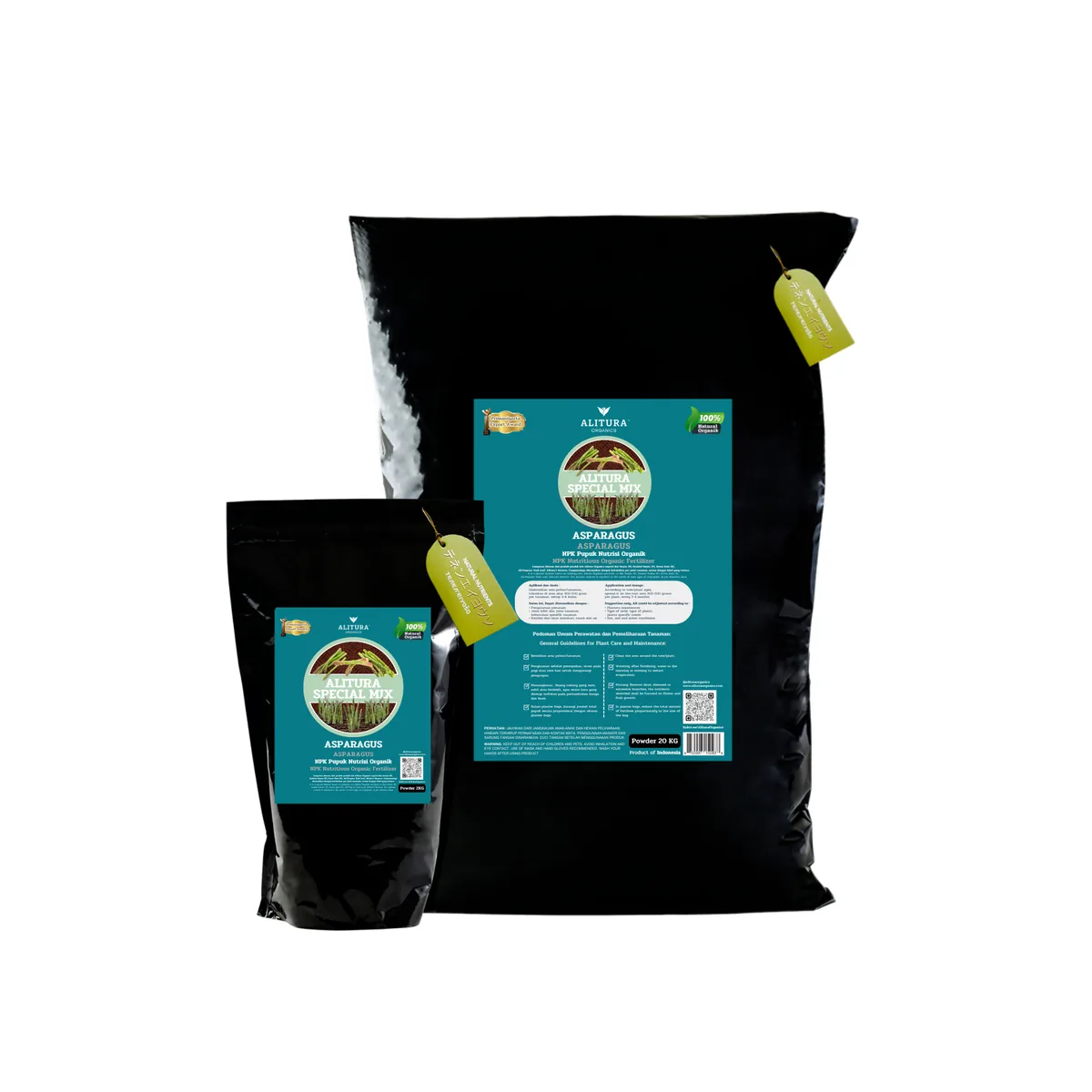
100% ORGANICAsparagus Special Mix

Asparagus Special Mix

Special organic blend formulated for vegetable plant growth and crop quality.

From IDR 28.000 / Kg(Packaging 20Kg)

Recommended for

Vegetative growth · Bud formation and flowering · Continuous fruiting and harvest

A vegetable-focused blend suited to the fast transition from canopy growth into repeated flowering and harvest.

Best timing

Start after transplants establish and continue in smaller label-directed applications through the harvest cycle.

How to apply for this crop

Place in a ring several centimetres away from the stem, lightly mix into moist topsoil, and water. Never leave concentrated fertilizer touching the crown.

General product guidance

Apply around the active root zone or mix into the planting media according to the package label, then water lightly. Adjust the amount to plant size, soil condition, and crop stage.

View product and sizes
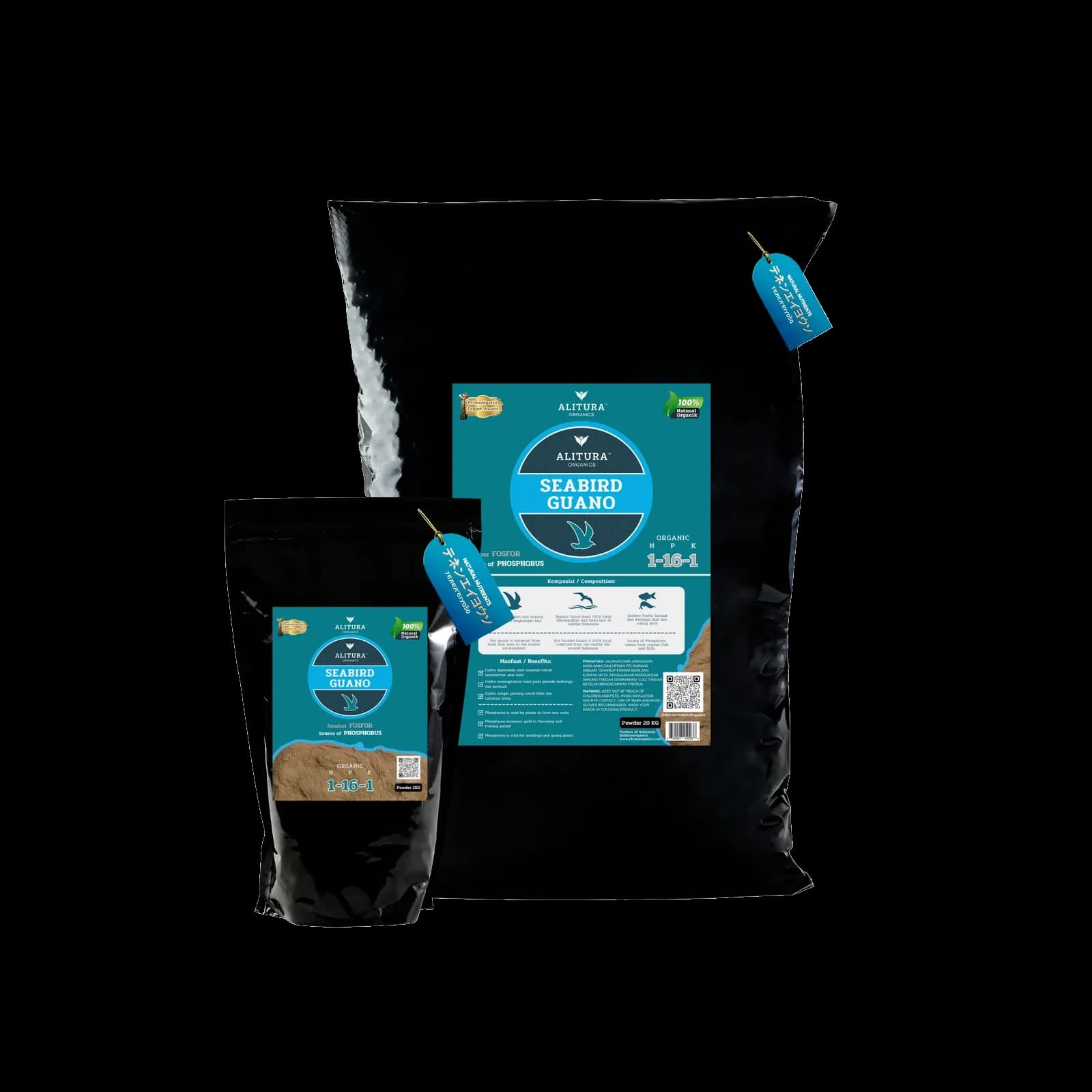
100% ORGANICSeabird Guano
NPK 1-16-1

Seabird Guano

Natural Source of Phosphorus

From IDR 27.000 / Kg(Packaging 20Kg)

Recommended for

Bud formation and flowering

High natural phosphorus supports roots and the transition into flowering and early fruit set.

Best timing

Mix a modest amount into the bed before transplanting or side-dress before the main flowering flush.

How to apply for this crop

Mix evenly into the root-zone soil rather than placing a concentrated pocket beneath the transplant. For established plants, side-dress, lightly incorporate, and water.

General product guidance

Work Seabird Guano into the soil or planting hole before sowing or transplanting, mixing it well around the root zone. For established plants, side-dress around the base and lightly incorporate into the topsoil, then water in. It is most valuable at the start of the flowering and fruiting stages, when phosphorus demand peaks. The powder form mixes easily into soil and potting media. As a general guide, apply a modest handful per plant or per planting hole and scale with plant size; always confirm exact rates for your crop and soil. Because the phosphorus releases slowly, it can be applied as a base fertilizer well ahead of peak demand.

View product and sizes
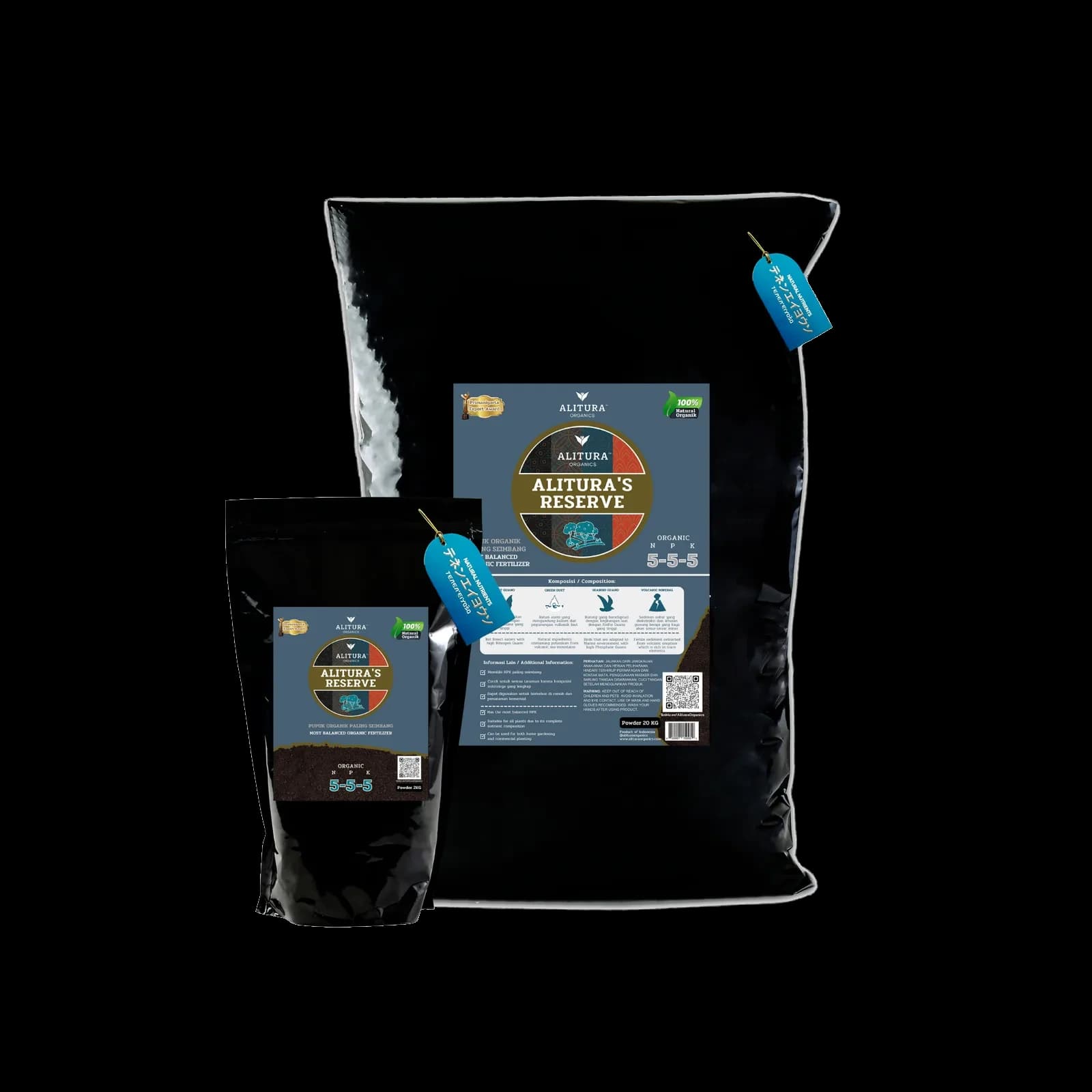
100% ORGANICAlitura's Reserve
NPK 5-5-5

Alitura's Reserve

Most Balanced NPK 5-5-5 Organic Nutritional Fertilizer

From IDR 28.000 / Kg(Packaging 20Kg)

Recommended for

Vegetative growth · Continuous fruiting and harvest

Balanced 5-5-5 nutrition provides a practical base and maintenance feed when no single nutrient should dominate.

Best timing

Blend into the bed before planting, then use light repeat applications only when crop response and soil condition justify them.

How to apply for this crop

Distribute evenly through the topsoil or as a shallow side-dressing, keep away from stems, and water after application. Split feeding is safer than one large dose.

General product guidance

Use Alitura's Reserve as a base feed at planting and as a top-up through the growing season. As a general guide, work a small handful into the soil around each plant or mix it into potting media before planting, then reapply every 4 to 6 weeks during active growth. For garden beds, broadcast evenly over the soil surface and lightly incorporate, then water in well. Powder works best mixed into soil or media. Always water after applying and adjust the amount to plant size and soil condition.

View product and sizes

Mistakes to avoid

  • Planting into compacted or waterlogged soil and treating wilt as a fertilizer shortage.
  • Using too much nitrogen after buds appear, producing foliage while flowers drop.
  • Letting concentrated fertilizer touch the stem or applying it to bone-dry soil.
  • Repeating heavy fertilizer on a fixed calendar without reading leaf color, fruit load, and soil moisture.

Agronomy references