
How to Restore Tired Soil Organically: A Grower's Field Guide

By George Vie
Published 2026-06-30
A practical, field-tested organic guide to rebuilding tired soil, feeding microbes, raising organic matter, and balancing minerals for fertility that lasts.
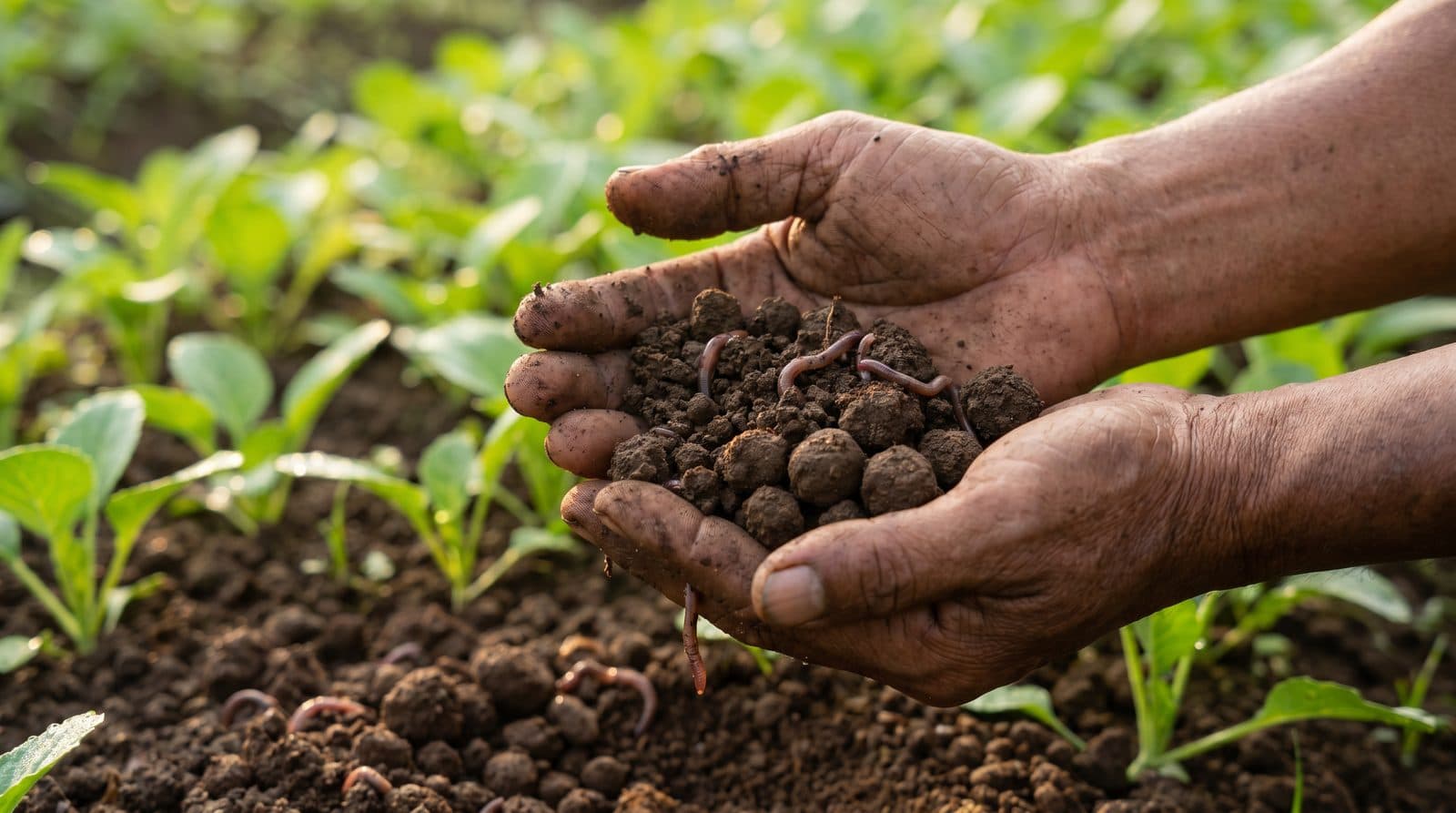
Tired soil rarely fails all at once. It compacts, drains poorly or far too fast, grows weaker crops each season, and demands ever more fertilizer just to hold the same yield. After working tired beds back to health more than once, I've learned the encouraging part: soil is a living system, and living systems recover when you give them the right conditions. Restoring fertility organically is less about one magic product and more about rebuilding three things together, organic matter, soil life, and mineral balance.
Start by Reading Your Soil
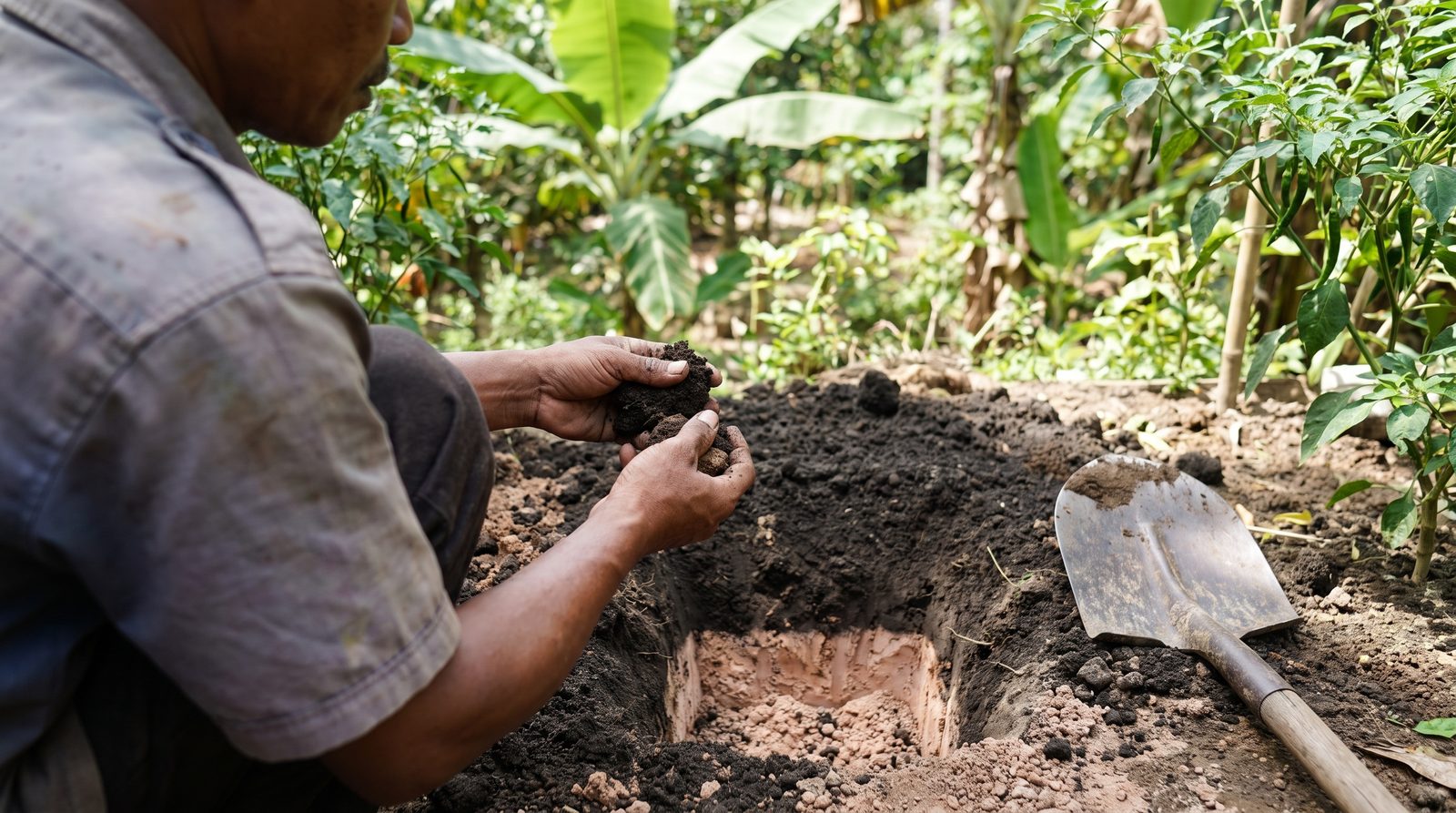
Before adding anything, spend ten minutes observing. It's the cheapest, most useful step, and the one most people skip. Dig a small hole a spade deep and look at the structure: healthy soil crumbles into soft, rounded aggregates and smells faintly sweet and earthy. Tired soil is often pale, hard, sour-smelling, or shows a compacted layer a few centimeters down where roots stall.
Check a few simple signals:
- Color and smell, dark, earthy soil usually means more organic matter and active microbes; a sour or sulphur note points to poor drainage.
- Earthworms, finding a few in a single spadeful is a strong sign of biological life. None at all is a flag.
- Water behavior, pour a little water and watch: does it pool on top, or soak in evenly within a minute or two?
- Root depth, pull a spent plant. Shallow, sideways roots suggest compaction or a poor lower layer.
You don't need a lab to begin. These observations tell you whether your first priority is structure, biology, drainage, or all three, and that's enough to act on.
Feed the Soil, Not Just the Plant
The core shift in organic growing is feeding the soil so the soil feeds the plant. That starts with organic matter, compost, well-aged manure, leaf mould, and decomposed plant residues. Organic matter holds water through dry spells, opens compacted ground so roots can travel, and feeds the microbes that unlock nutrients already sitting in your soil.
Aim to add organic matter every season rather than once. As a general guide, a two-to-three centimeter layer of finished compost worked lightly into the topsoil, or laid on as mulch and left to break down, makes a visible difference within a couple of cropping cycles. In my own beds, the easier digging shows up first, well before any yield change.
Microbial life is the engine that turns that organic matter into plant food. To keep it running:
- Keep the soil covered with mulch or living plants so it never bakes bare in the sun.
- Avoid excessive tilling, which tears apart fungal networks and burns through organic matter fast.
- Add diverse inputs, different plant residues feed different microbes, so variety beats a single source.
A gentle plant-based amendment such as All-Purpose Teak Leaf fits naturally here: it adds organic material that microbes break down steadily, rather than a quick chemical hit that's gone in weeks.
Rebuild Mineral Balance Patiently
Even biologically active soil can stall if minerals are out of balance. Years of cropping draw nutrients down, and heavy tropical rain leaches others away. Organic mineral inputs restore these slowly and gently, without the salt spikes that concentrated synthetic fertilizers can cause.
This is where rock and mineral amendments earn their place. Volcanic-mineral supplies a broad range of trace elements and helps remineralize ground that's been cropped hard for years. Because these inputs release gradually as they weather, they reward patience, think of them as a long-term deposit into your soil's nutrient bank, not an instant feed you'll see results from next week.
Pair mineral inputs with biology. Microbes and root fungi are what actually make many minerals available to plants, so remineralizing works best alongside healthy organic matter. A balanced amendment like Green Dust can complement this, supporting overall soil condition as part of a layered program rather than a single fix.
A few principles keep mineral work safe and effective:
- Add minerals in moderation and observe over a full season before adding more, rock dusts are forgiving on dose but easy to over-apply if you're impatient.
- Combine with compost or mulch so microbes can help process them.
- Don't chase one nutrient, broad balance beats a single heavy dose, which can tie up other elements.
Build a Simple Seasonal Rhythm
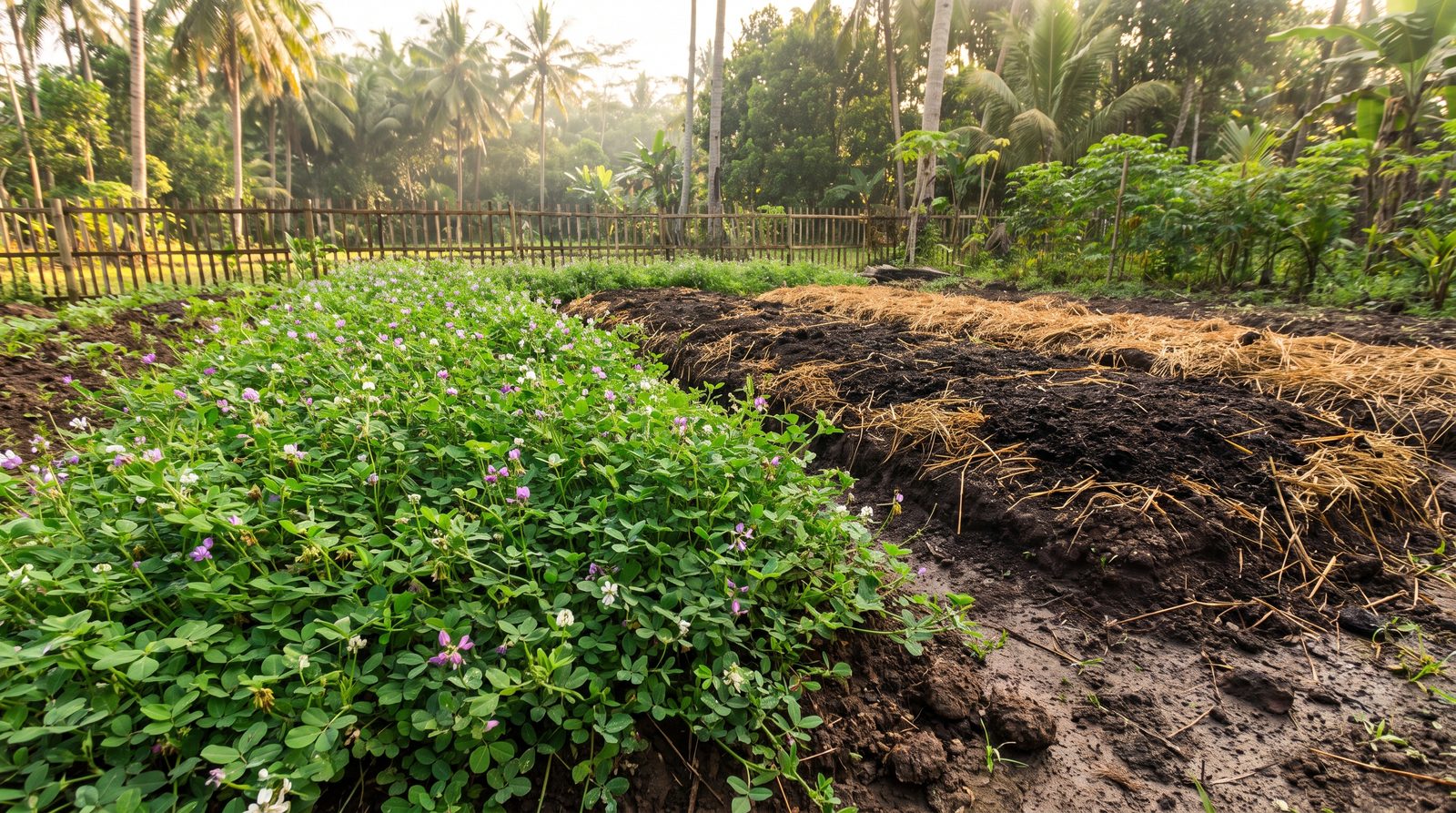
Soil restoration is a habit, not an event. A workable yearly rhythm looks like this: add compost and organic amendments at the start of each planting cycle, mulch through the growing season, and sow cover crops or green manure during rest periods to protect and feed the ground. Slower mineral inputs only need applying once or twice a year.
Cover crops deserve special mention. Legumes fix nitrogen, deep-rooted plants break up compaction, and any living root feeds soil microbes directly. Cut them down before they set seed and leave the residue on the surface, that returns the whole flush of growth to the soil instead of carting it away.
Watch for steady signs of recovery rather than overnight drama: darker soil, easier digging, more earthworms, water soaking in faster, and crops that hold up better through heat and dry stress. Those are the honest markers that your soil is alive again.
Restoring tired soil organically asks for consistency more than any single miracle input. Build organic matter, protect and feed the microbes, balance minerals gently, and keep the ground covered. Do that across a few seasons and the soil pays you back with structure, resilience, and a fertility that compounds year after year.
Frequently asked questions
Expect gradual improvement over several growing seasons rather than weeks. You'll often notice darker color, easier digging, and more earthworms within the first one to two cycles, with deeper fertility building over a year or more of consistent organic matter, mulch, and mineral inputs.
Not to begin. Simple observation of structure, smell, earthworms, water behavior, and root depth tells you a lot. A lab test is helpful later if a specific deficiency persists, but consistent organic matter and broad mineral balance address most tired-soil problems without it.
Feeding the plant means applying soluble nutrients the plant takes up directly, often as a quick spike. Feeding the soil means building organic matter and microbial life so the soil releases nutrients steadily on its own, creating fertility that lasts beyond a single application.
Yes. Overloading can throw off balance and waste inputs. Add organic matter in thin, regular layers and apply slow-release minerals in moderation, then observe over a full season before adding more rather than applying everything at once.
Related products

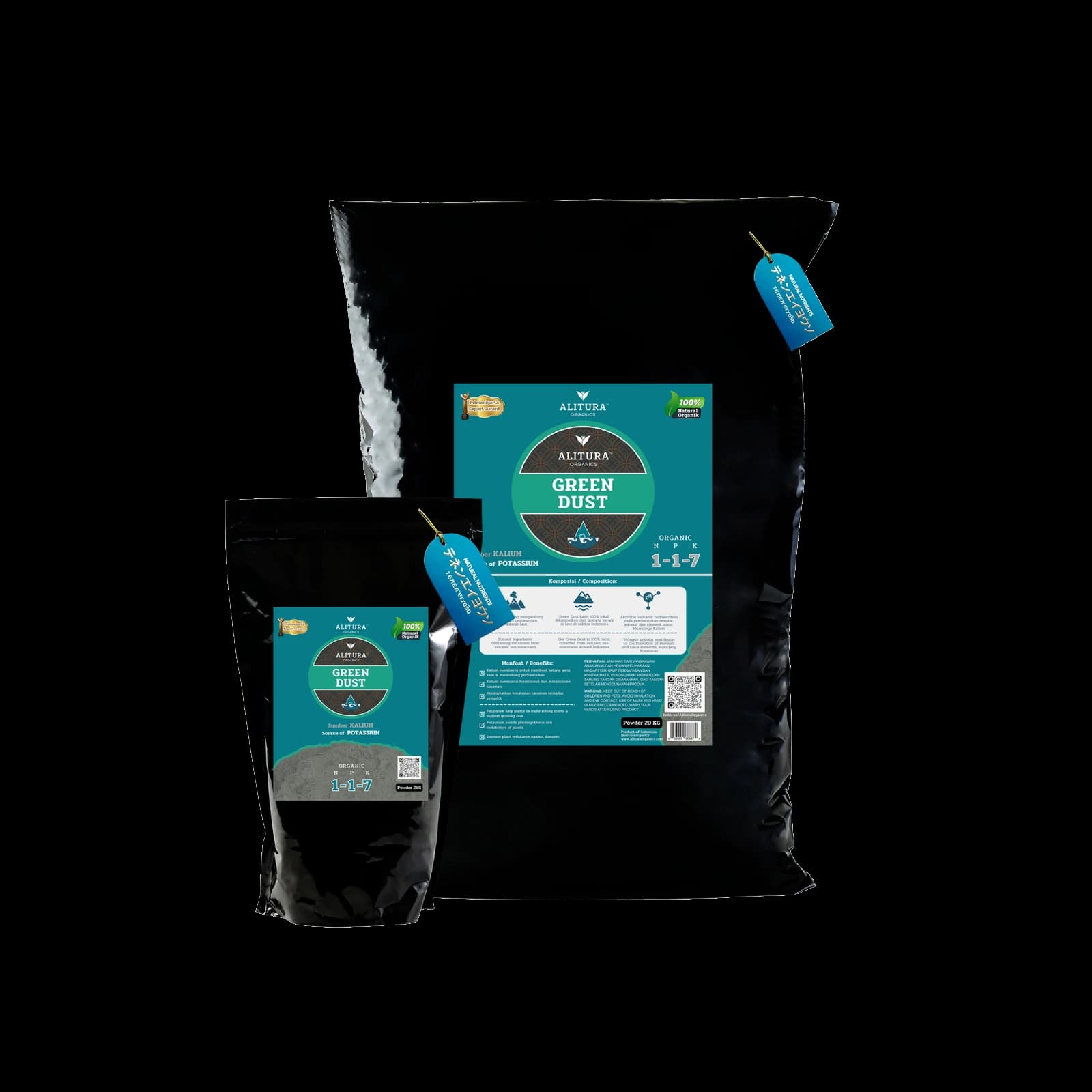
Green Dust
Natural Source of Potassium and Volcanic Mountain Minerals
From IDR 28.000 / Kg(Packaging 20Kg)
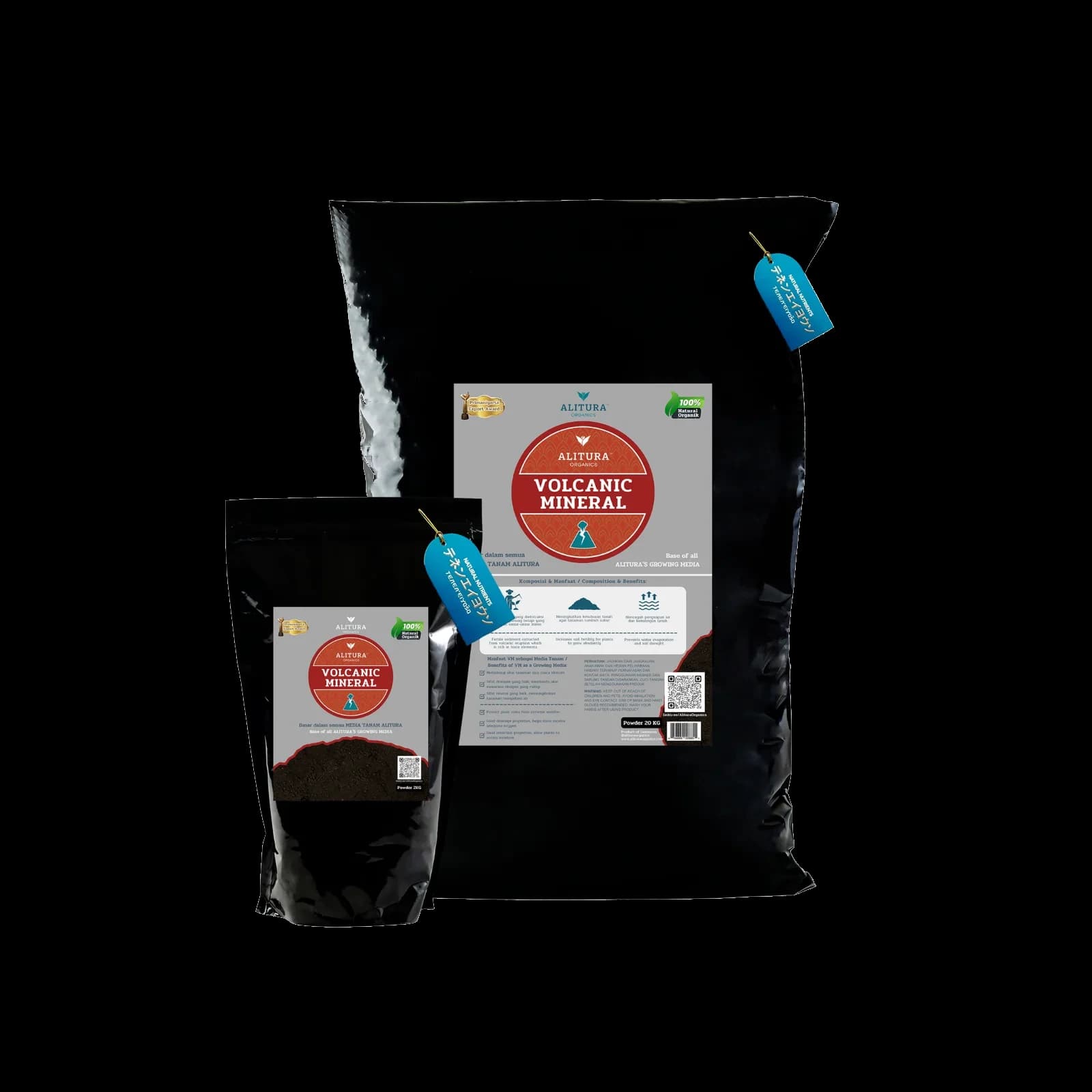
Volcanic Mineral
Organic Carbon, Humic Acid
From IDR 27.000 / Kg(Packaging 20Kg)
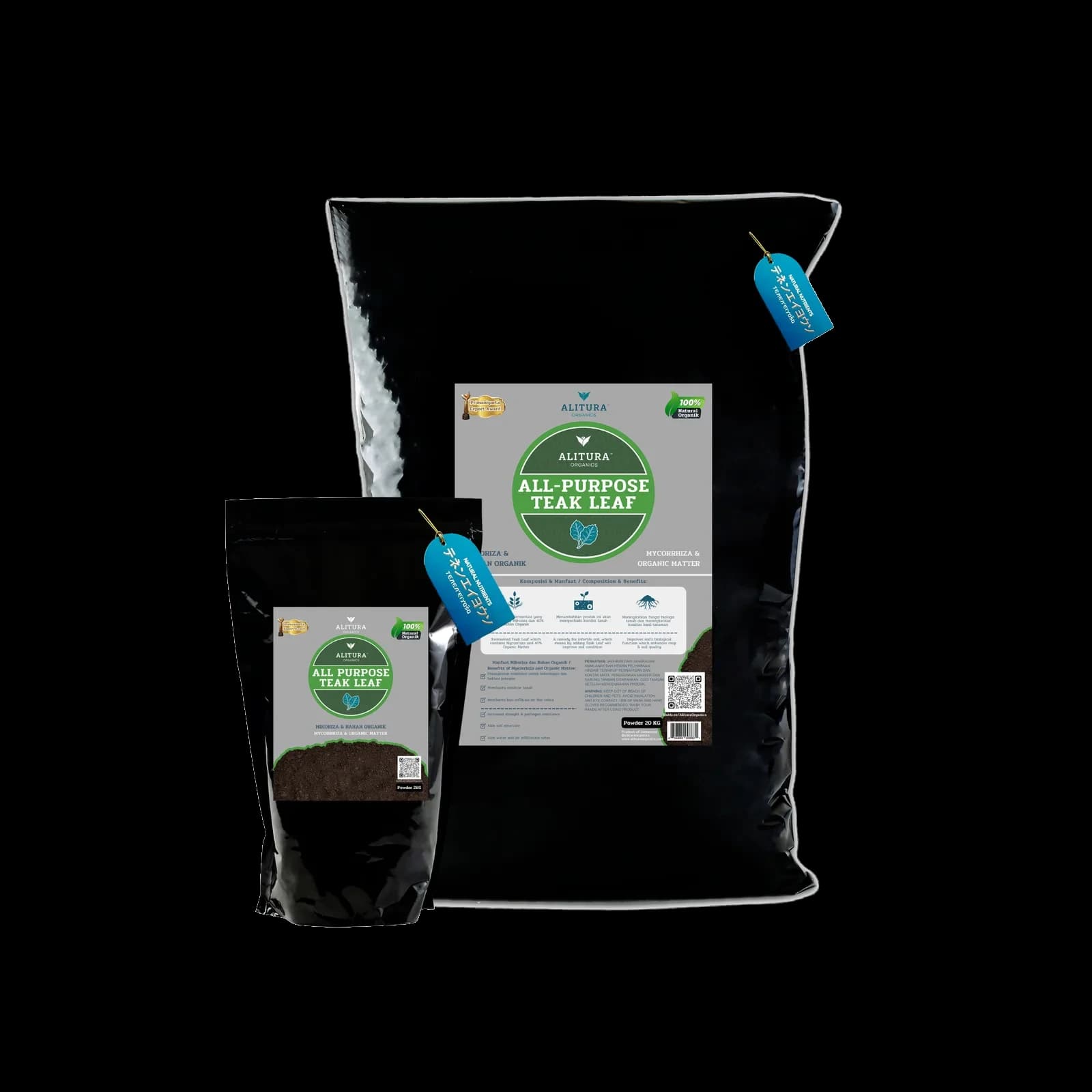
All-Purpose Teak Leaf
Mycorrhizae & Organic Matter
From IDR 27.000 / Kg(Packaging 20Kg)
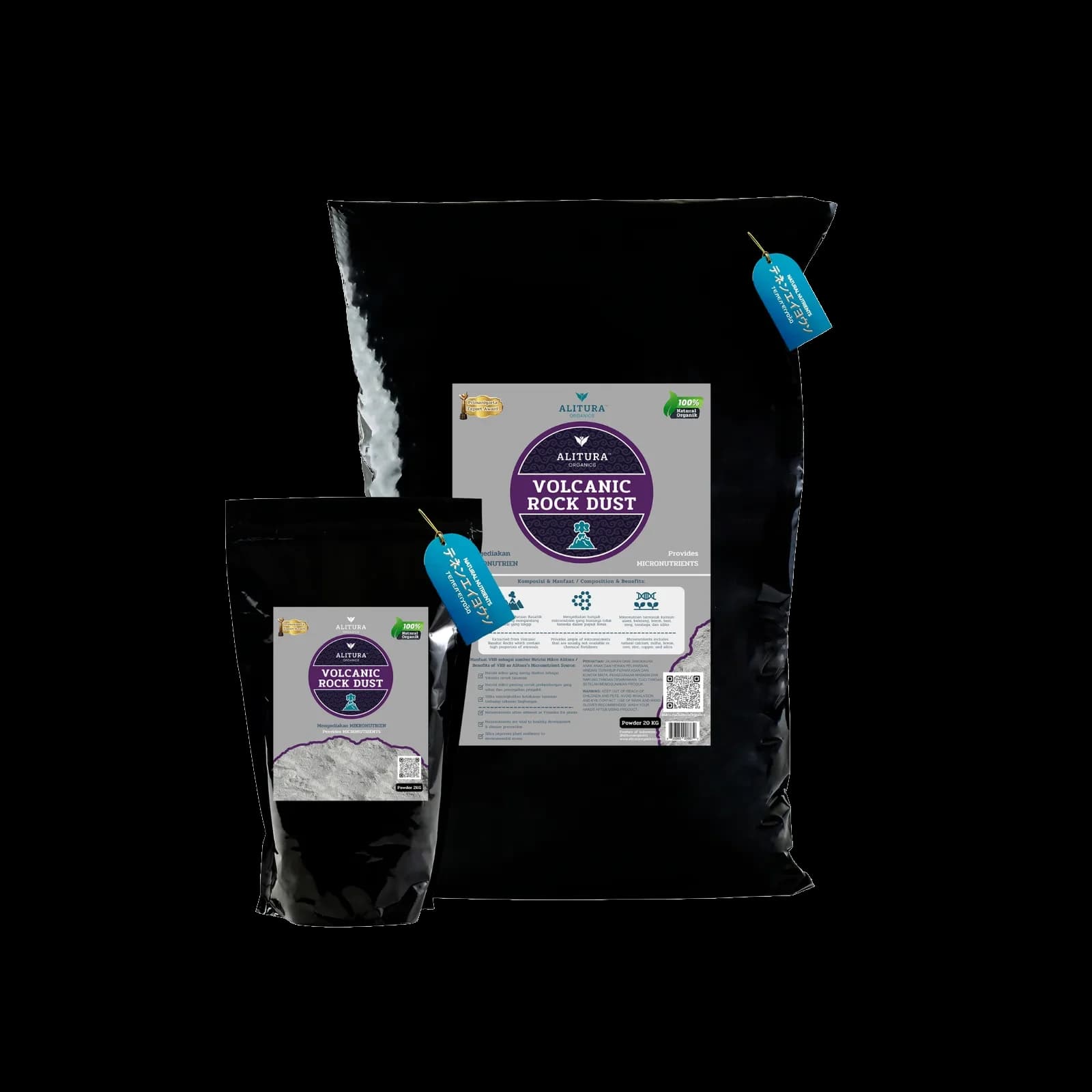
Volcanic Rock Dust
Provides Micronutrients
From IDR 27.000 / Kg(Packaging 20Kg)
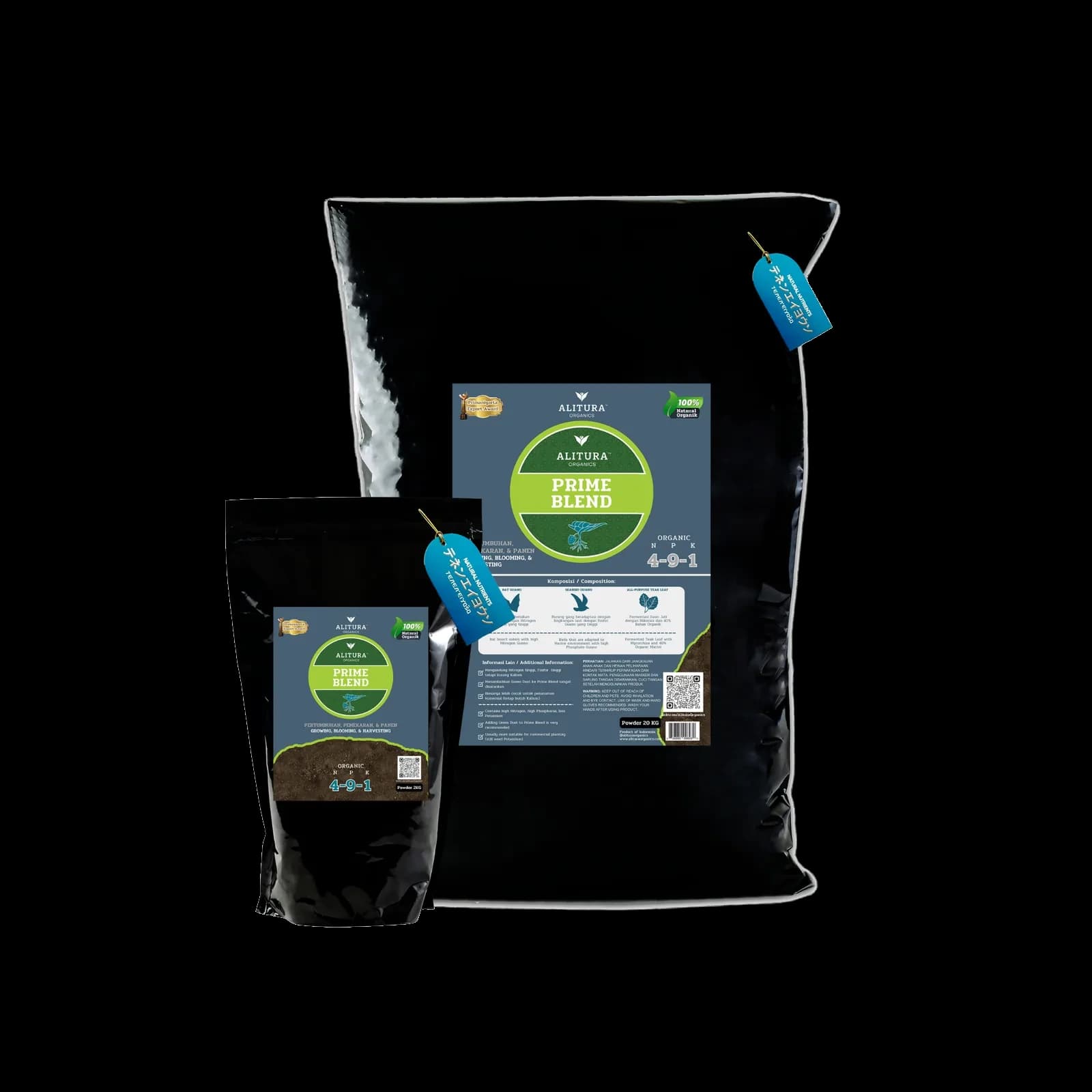
Prime Blend
Growing, Blooming
From IDR 27.000 / Kg(Packaging 20Kg)