Organic Fertilizer for Chili Peppers: A Grower's Stage-by-Stage Guide to Heavier Fruiting

By George Vie
Published 2026-06-30
A working grower's guide to feeding chili (cabai) organically: match the right nutrient to each growth stage for healthier plants and more fruit.
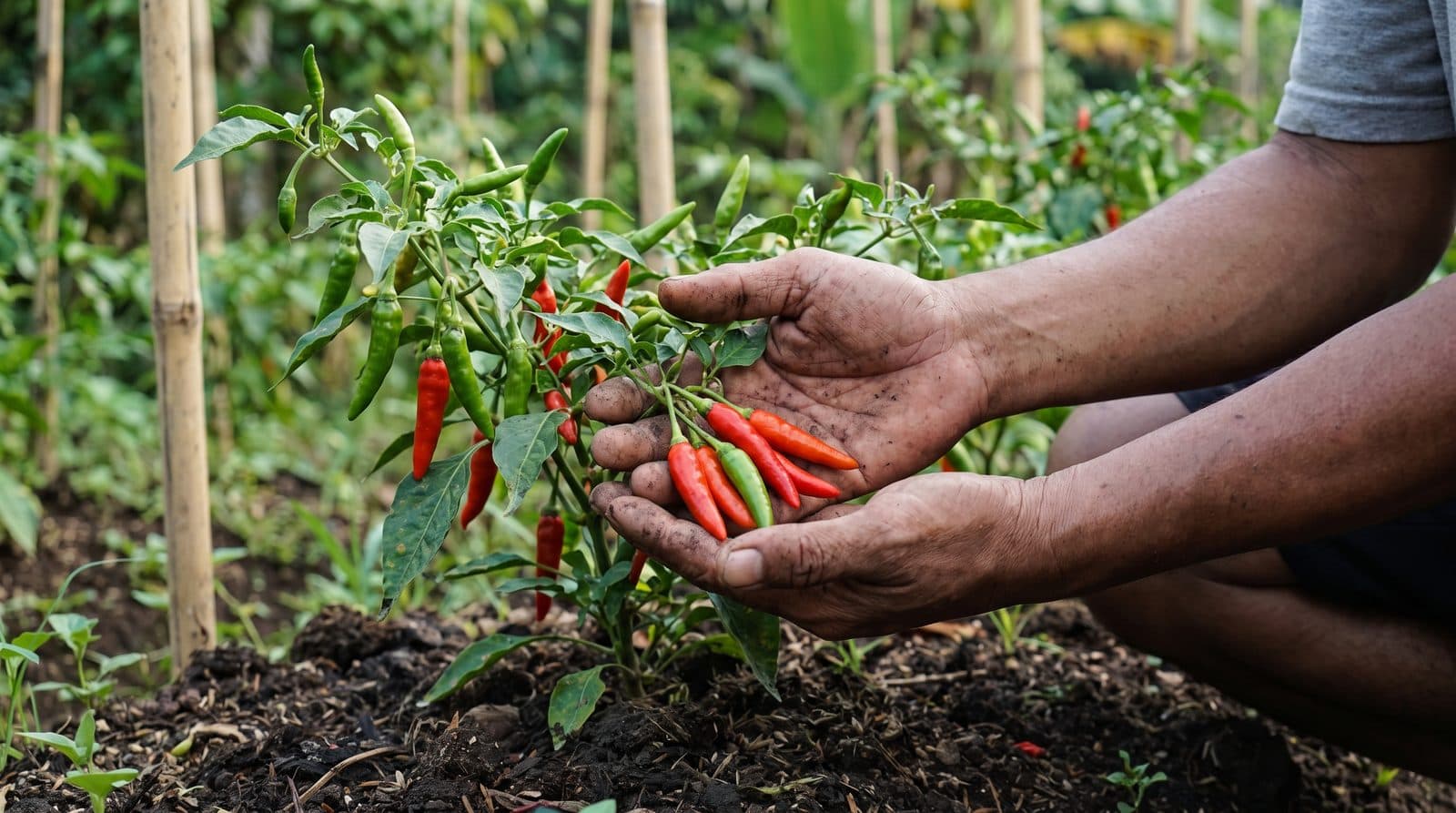
If you have grown chili before, you already know the heartbreak: a tall, glossy, leafy bush that looks fantastic and sets almost no fruit. After a few seasons of feeding cabai in pots and garden beds, I have learned that the problem is rarely the plant. It is almost always the timing of what we feed it.
Chili is a hungry feeder, but a fussy one. Its needs change completely between the seedling stage and the day it starts flowering. Get that rhythm right and a single plant will throw flush after flush of peppers for months. Get it wrong and you grow a beautiful, fruitless shrub. This is the stage-by-stage approach I now follow.
Understand What Chili Plants Actually Need
Chili is a fruiting vegetable, so its nutrient priorities shift as it grows:
- Early on, it wants nitrogen (N) to build leaves and a strong frame.
- Once flower buds appear, the priority swings to phosphorus (P) and potassium (K), the nutrients that drive flowering, fruit set, and fruit quality.
The most common mistake I see (and one I made for years) is pushing nitrogen all season long. Excess N gives you lush green leaves at the expense of flowers, and in my experience it also makes plants noticeably more attractive to aphids and thrips. This is where organic inputs genuinely help: they release nutrients slowly and feed the soil life that keeps roots healthy, instead of hitting the plant with a salt spike that throws it off balance.
Healthy soil matters as much as the fertilizer. Chili roots dislike both drought and waterlogging, so aim for a loose, free-draining medium rich in organic matter. Working compost or well-aged manure in before planting builds the foundation everything else stands on.
Feed by Growth Stage
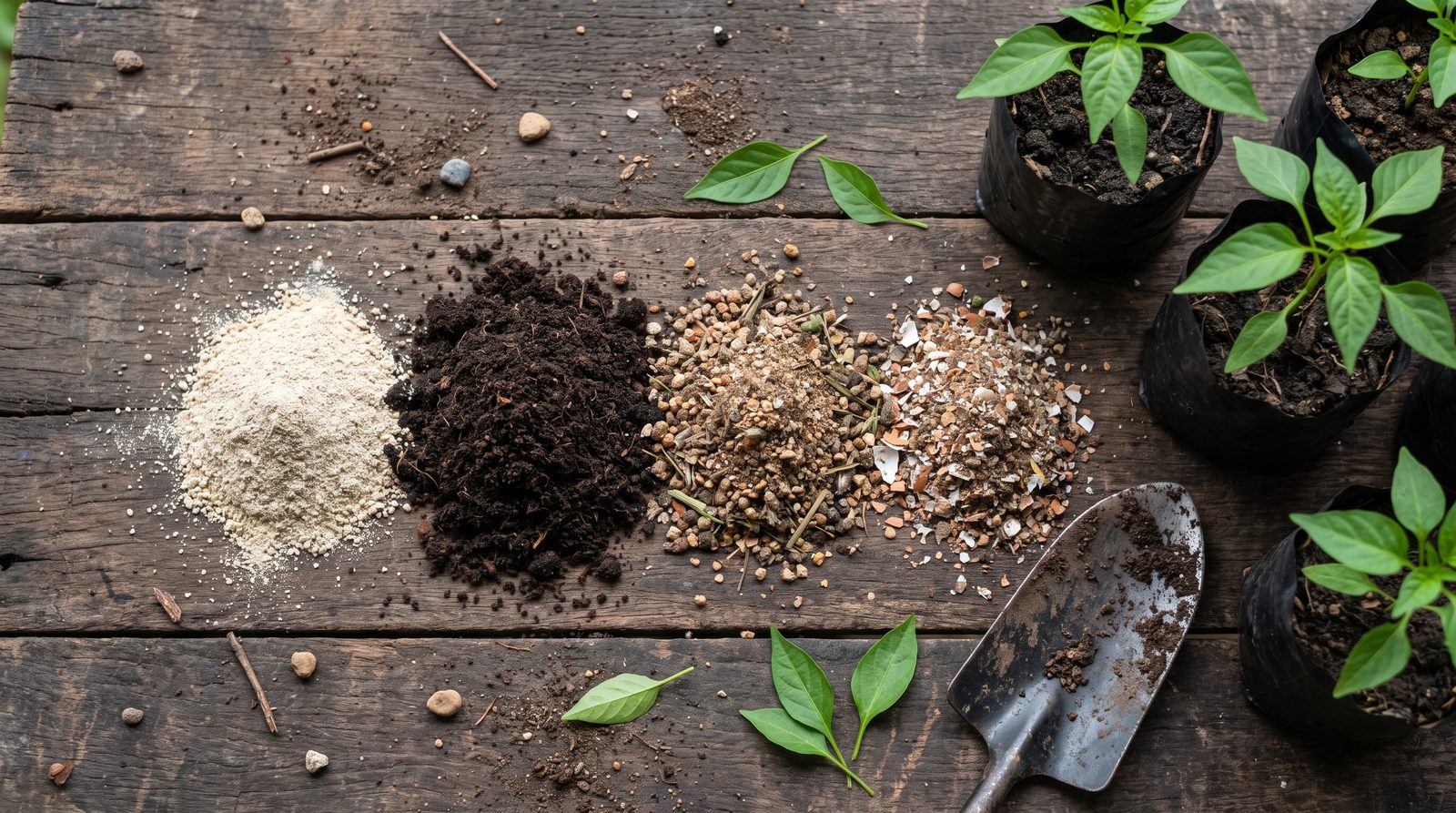
Matching the input to the stage is the single most useful habit you can build. As a general guide:
- Seedling to early vegetative (roughly week 1-4 after transplant): Focus on gentle, balanced nutrition and getting roots established. A balanced organic feed such as Alitura's Reserve or Prime Blend supports steady leaf and root growth without forcing soft, weak shoots. Water it in well and let the plant build a sturdy frame before it is asked to fruit.
- Transition to flowering (when the first buds appear): Shift the emphasis toward phosphorus. This is where Seabird Guano earns its place, supplying a concentrated natural phosphorus source that supports root strength and flower formation. Work a little into the soil around the root zone just before heavy bloom begins.
- Flowering and fruiting (peak demand): Keep phosphorus and potassium available so flowers set and peppers fill out. A crop-tuned blend like Vegetables Special Mix is convenient here because it is formulated for the balanced, sustained feeding that fruiting vegetables need.
- Continuous harvest: Chili keeps flowering while you pick, so light, regular top-ups every few weeks beat one heavy dose. Steady feeding sustains one flush after another instead of a single burst that fades.
How to Apply Organic Fertilizer
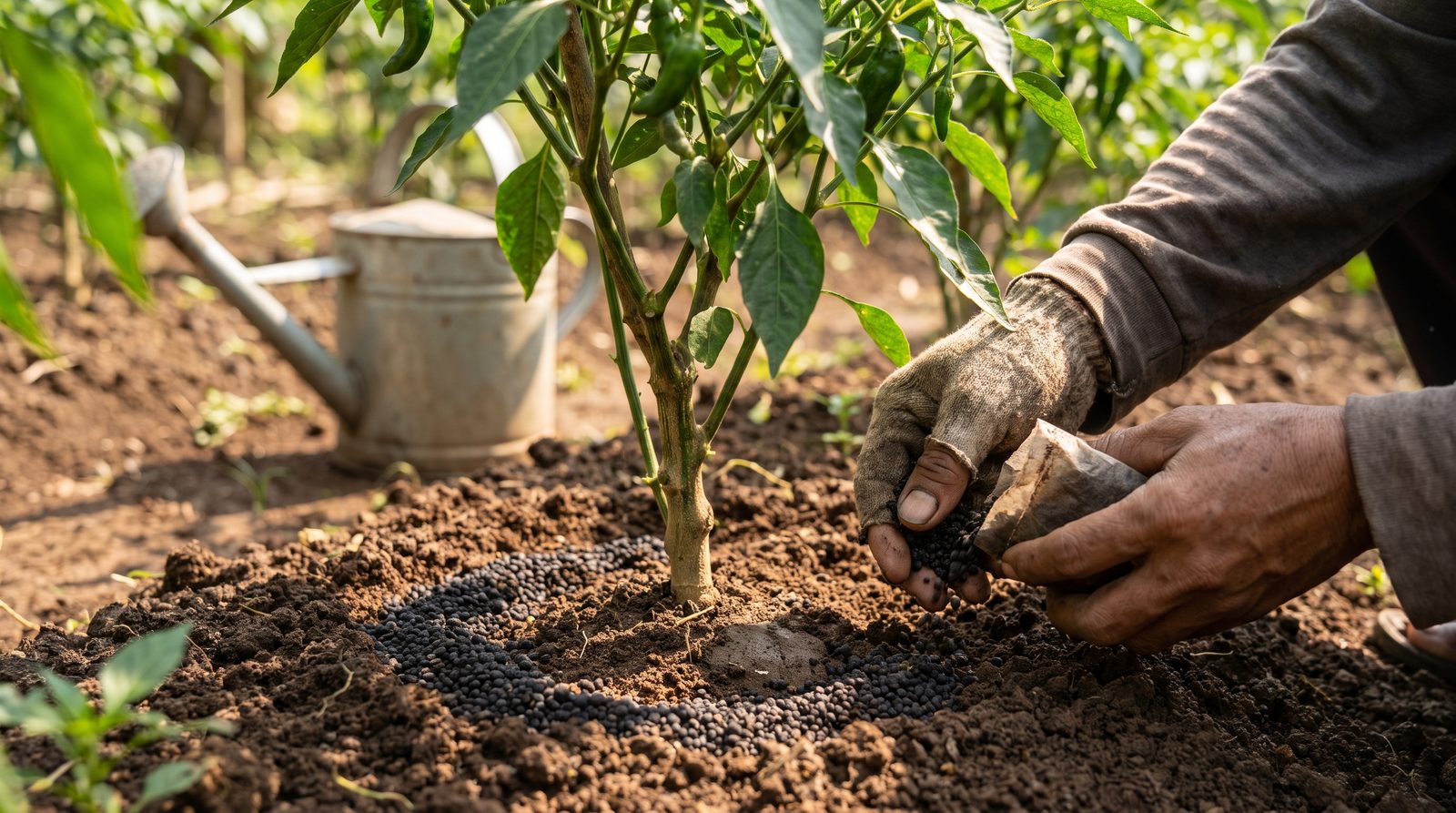
How you apply the fertilizer affects how well the plant actually uses it. These are the three methods I lean on:
- Base feed at planting: Mix your organic fertilizer into the planting hole or topsoil and water it in. This puts nutrients in the root zone from day one.
- Side-dressing: For established plants, scatter fertilizer in a ring around the base, keeping it a few centimeters clear of the stem so you do not burn it, then lightly work it into the surface and water.
- Liquid feeding (teh pupuk): Steep powdered guano or a blend in water for several hours up to a day, strain, and pour around the roots. I find this gives a faster, gentler boost during flowering and fruiting, especially for plants in pots.
Always water after applying dry fertilizer, and start with a modest amount, organic inputs are forgiving, but more is not better. Then read the plant. Dark, glossy leaves that curl slightly downward usually mean too much nitrogen; pale leaves or stalled flowering usually mean it is time to feed.
Common Problems and Simple Fixes
- Lots of leaves, few flowers: Almost always too much nitrogen. Ease off N-heavy inputs and add a phosphorus source like Seabird Guano to nudge the plant toward reproduction.
- Flowers drop before setting fruit: Often heat stress, irregular watering, or weak nutrition. Keep moisture consistent and make sure phosphorus and potassium are available.
- Weak, leggy plants: Check light first, chili genuinely wants full sun, then feed a balanced organic fertilizer to rebuild vigor.
- Yellowing lower leaves: Can be natural aging or a hungry plant. A balanced feed and healthy, living soil usually corrects it.
Above all, treat the soil as a living system. Organic fertilizers do their best work alongside good drainage, consistent watering, and enough sun. Feed the soil, match the input to the stage, and your cabai plants will reward you with healthier growth and a long, productive harvest. Treat any rate on a product label as general guidance, then adjust to your plants, your pots, and your local conditions.
Frequently asked questions
There is no single best product because needs change by stage. A balanced organic feed like Alitura's Reserve suits early growth, a phosphorus-rich input like Seabird Guano supports flowering, and a crop-tuned blend such as Vegetables Special Mix works well through fruiting. The key is matching the input to the growth stage.
This is almost always caused by too much nitrogen, which pushes leafy growth at the expense of flowers. Reduce nitrogen-heavy feeding and add a phosphorus source to encourage the plant to shift into flowering and fruit set. Make sure it also gets full sun.
During active growth and fruiting, light feeding every 2-4 weeks generally works better than one heavy dose. Because chili keeps flowering as you harvest, steady, regular top-ups sustain successive flushes of fruit. Always water after applying dry fertilizer.
Yes. Pots benefit especially from organic feeding because the limited soil volume drains nutrients quickly. Use a well-draining medium rich in organic matter, mix fertilizer in at planting, and top up lightly through the season, adjusting the amount to the pot size.
Related products

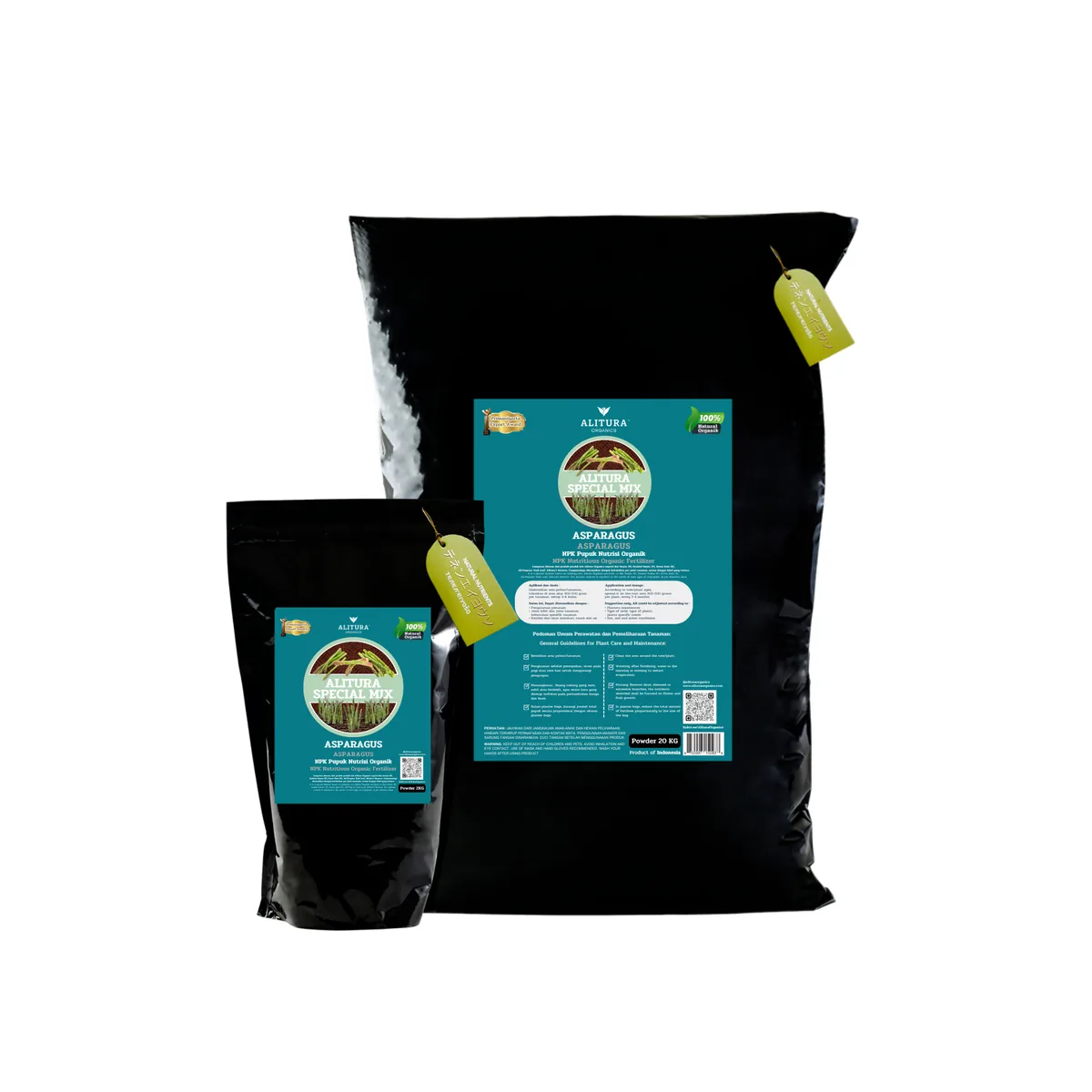
Asparagus Special Mix
Special organic blend formulated for vegetable plant growth and crop quality.
From IDR 28.000 / Kg(Packaging 20Kg)
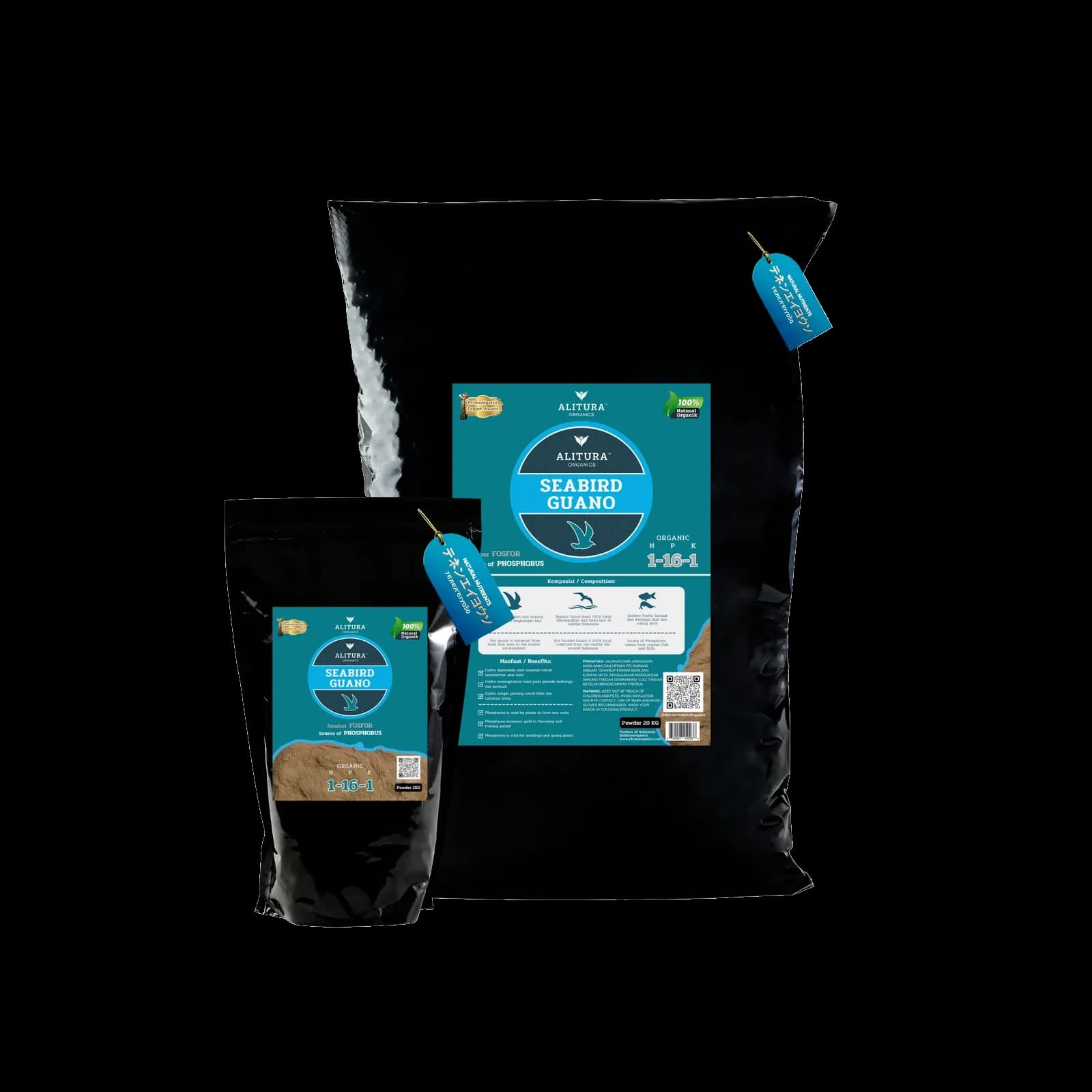
Seabird Guano
Natural Source of Phosphorus
From IDR 27.000 / Kg(Packaging 20Kg)
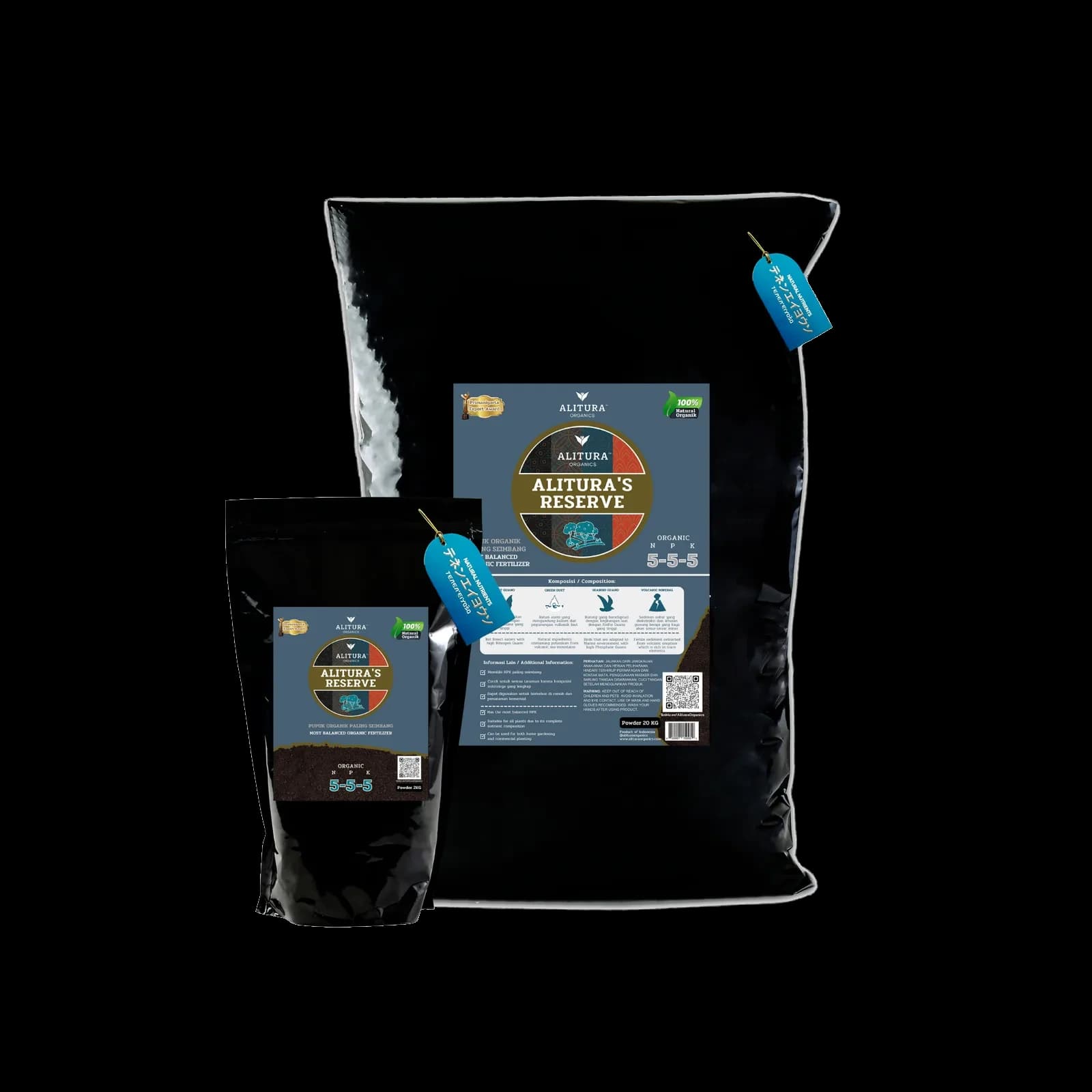
Alitura's Reserve
Most Balanced NPK 5-5-5 Organic Nutritional Fertilizer
From IDR 28.000 / Kg(Packaging 20Kg)
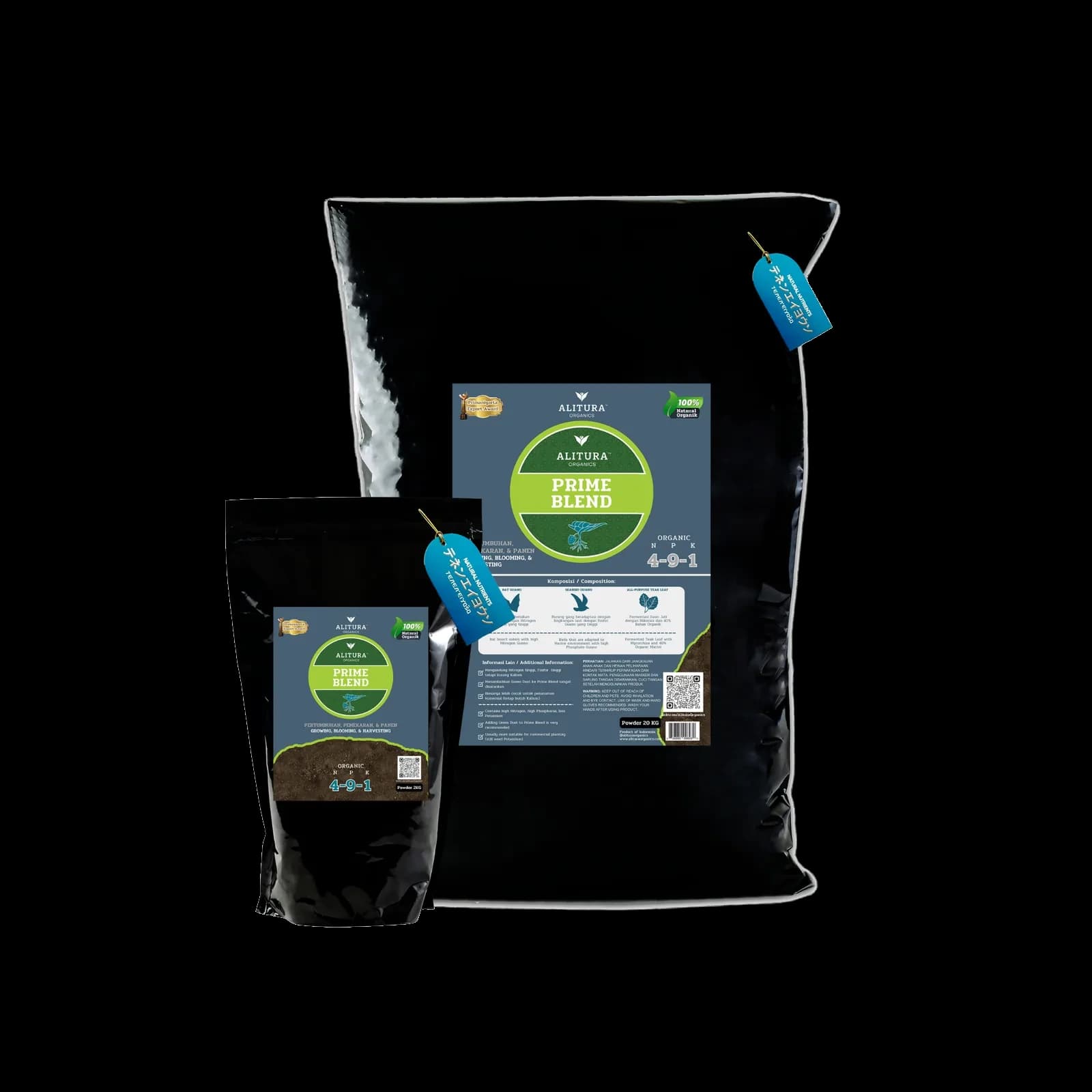
Prime Blend
Growing, Blooming
From IDR 27.000 / Kg(Packaging 20Kg)