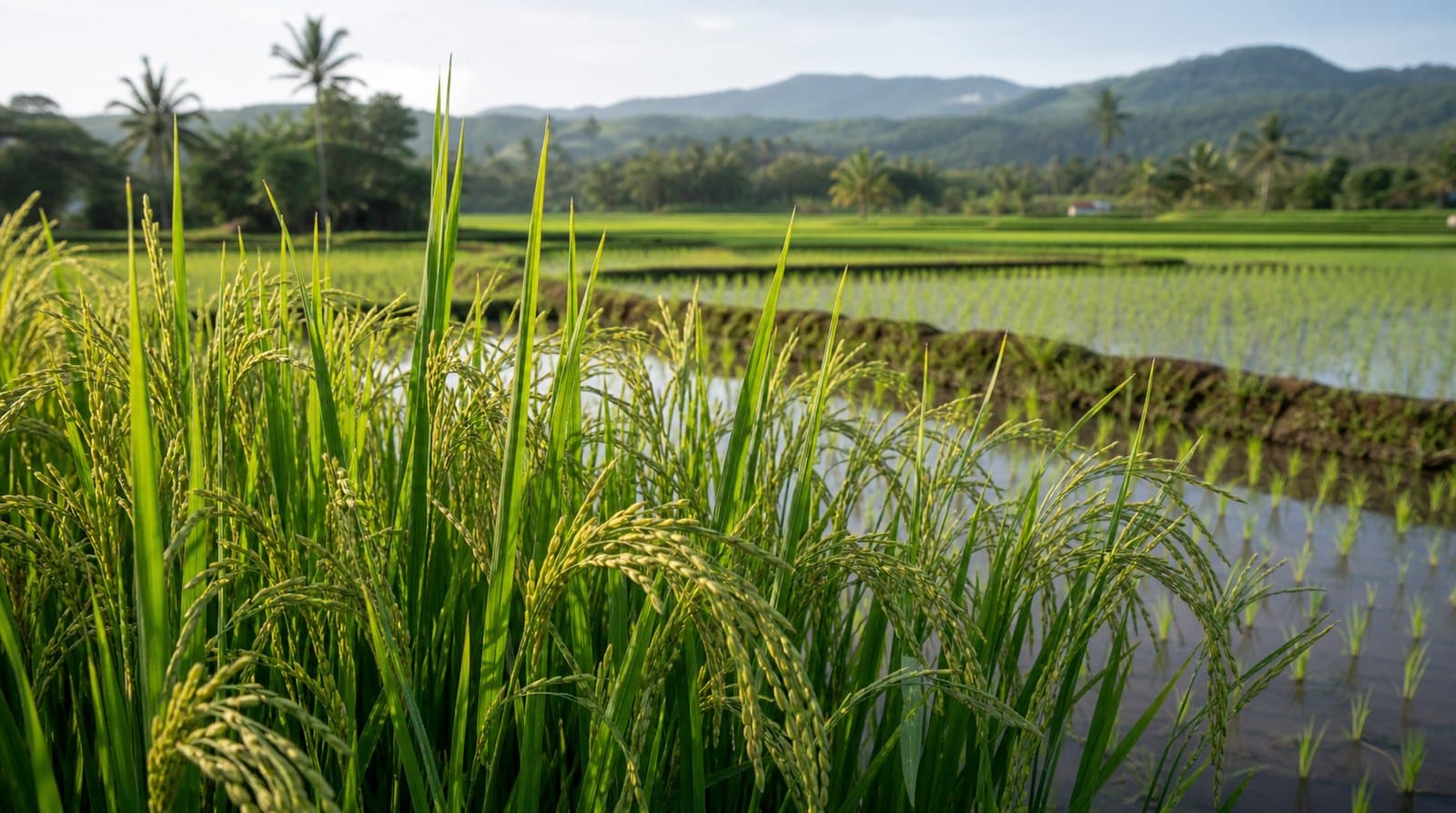
Rice management depends on the production system—irrigated lowland, rainfed, upland, or tidal land—but the same principle holds: water and nutrients must be controlled together. Indonesian land-suitability guidance places highly suitable lowland rice conditions broadly around 24–29°C and pH 5.5–8.2, while local soil constraints can change fertilizer efficiency dramatically. A Paddy Soil Test Kit or laboratory analysis is safer than copying one national dose.
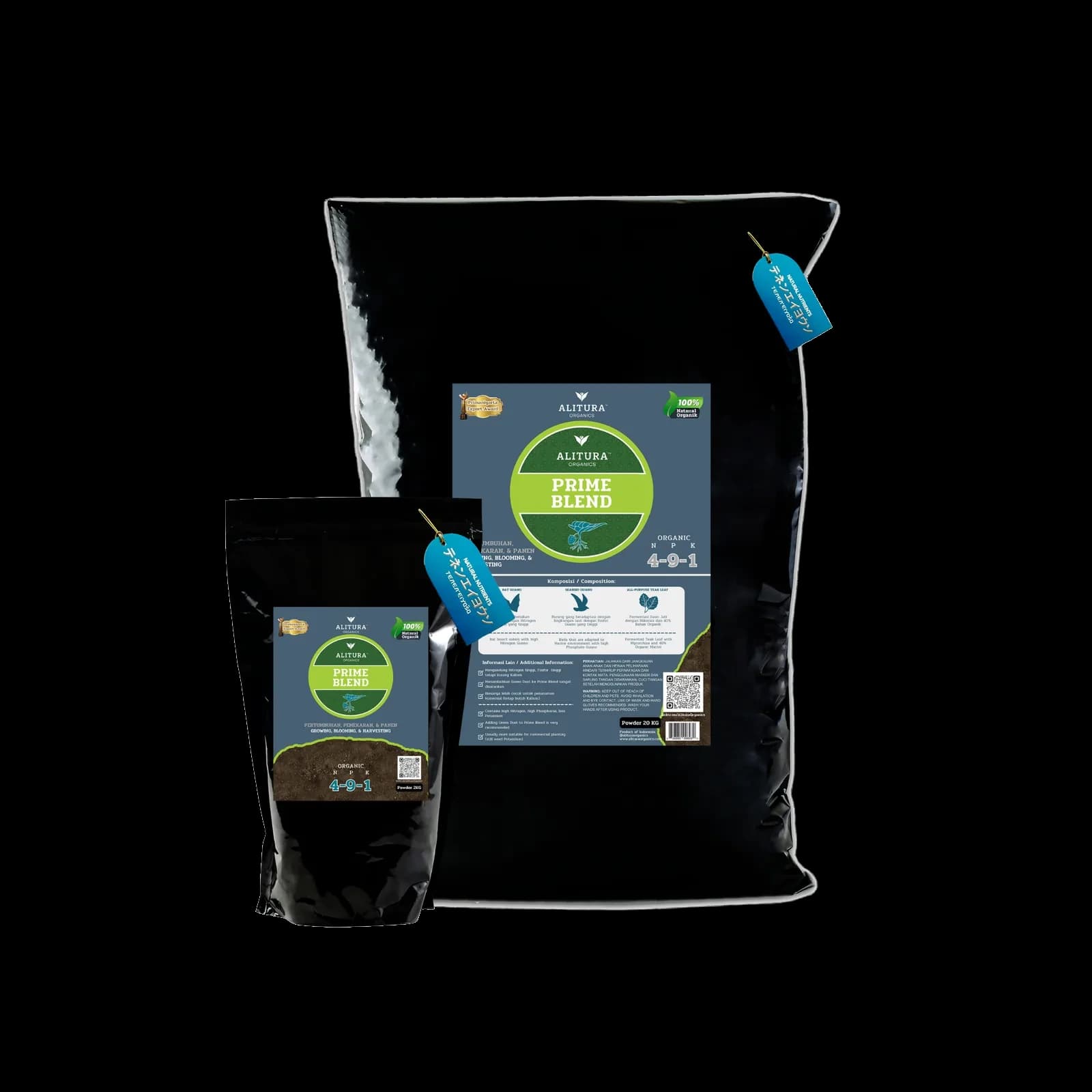
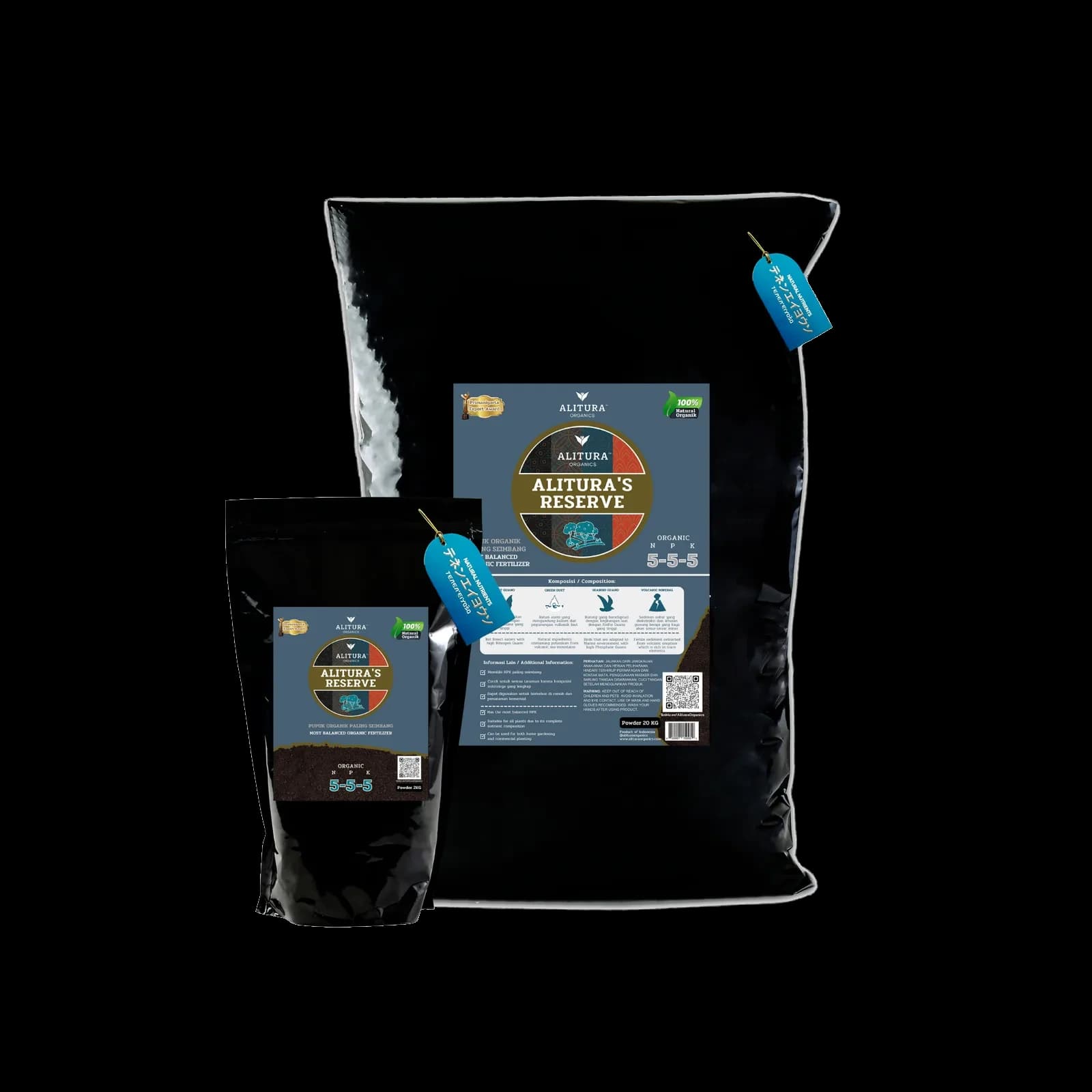
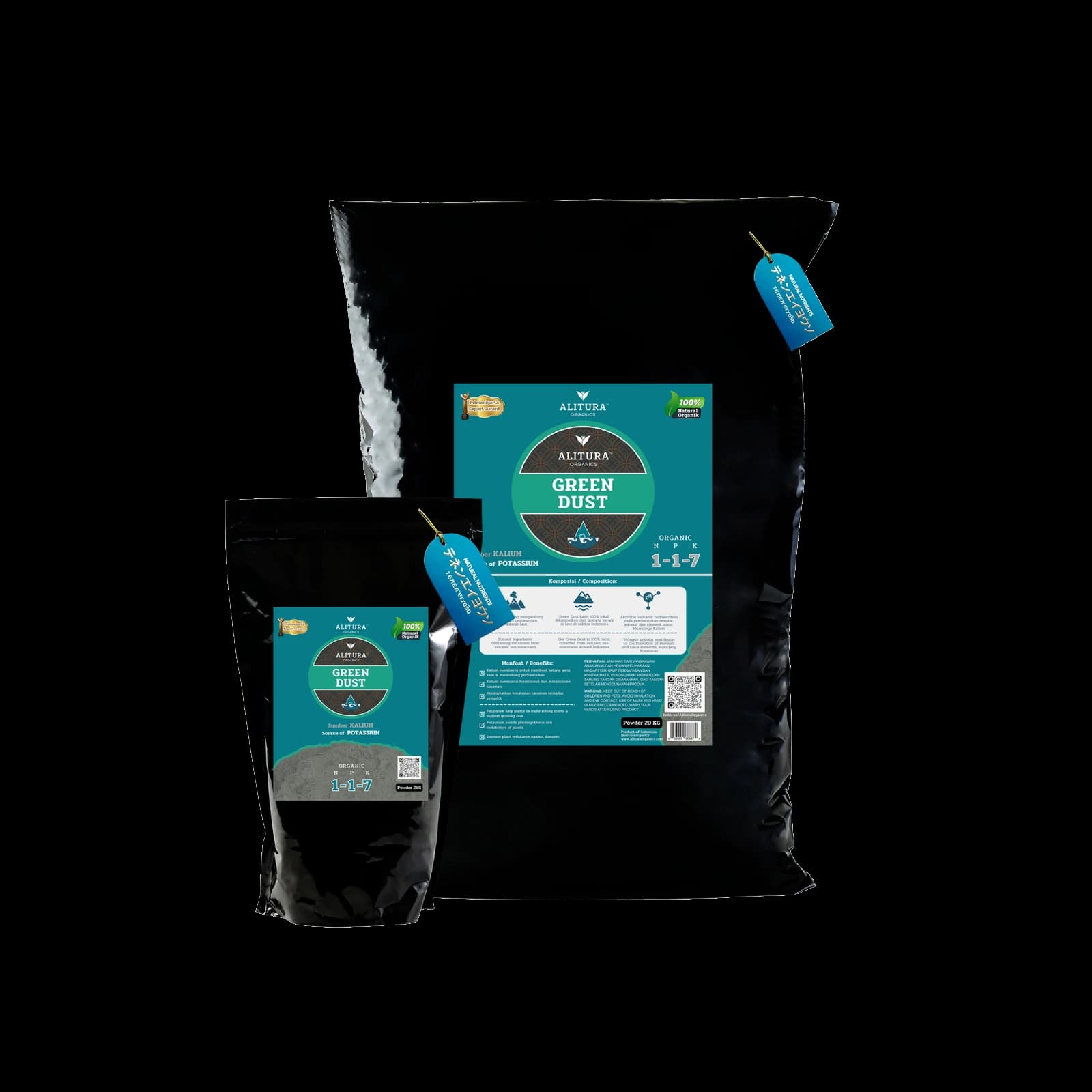
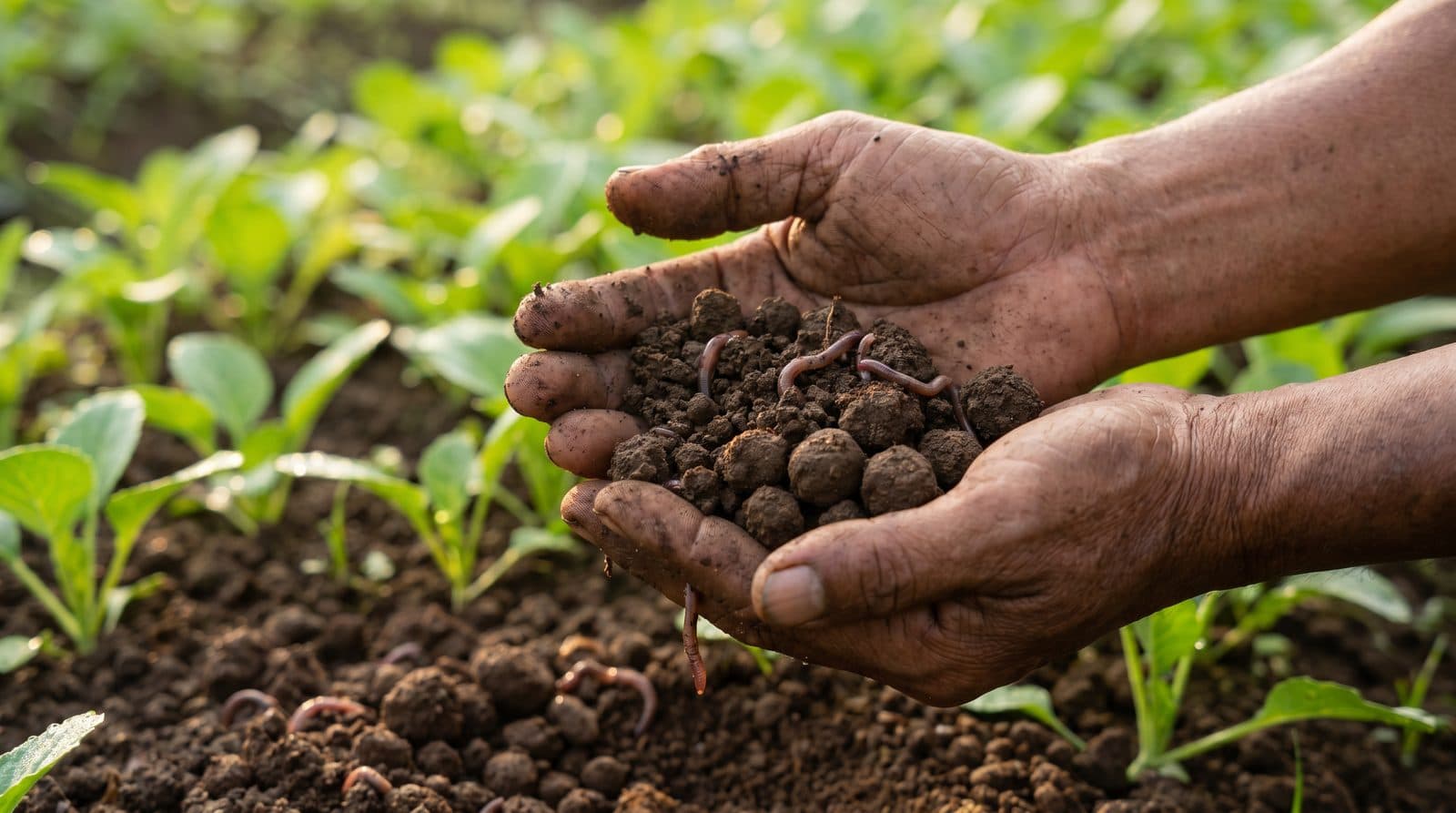
Nitrogen demand rises around active tillering and panicle initiation, phosphorus supports establishment and roots, and potassium strengthens plants and grain filling. Too much early nitrogen produces lush growth that can lodge or attract pest and disease pressure. Organic inputs are most useful when incorporated during land preparation so they can support soil carbon, microbial activity, and nutrient retention before peak crop demand.