Root establishment
After planting or repottingDry wound healing, roots, drainage
Let Aloe Vera cuts and roots settle in dry, airy media before watering deeply or adding fertilizer.

Crop growing guide
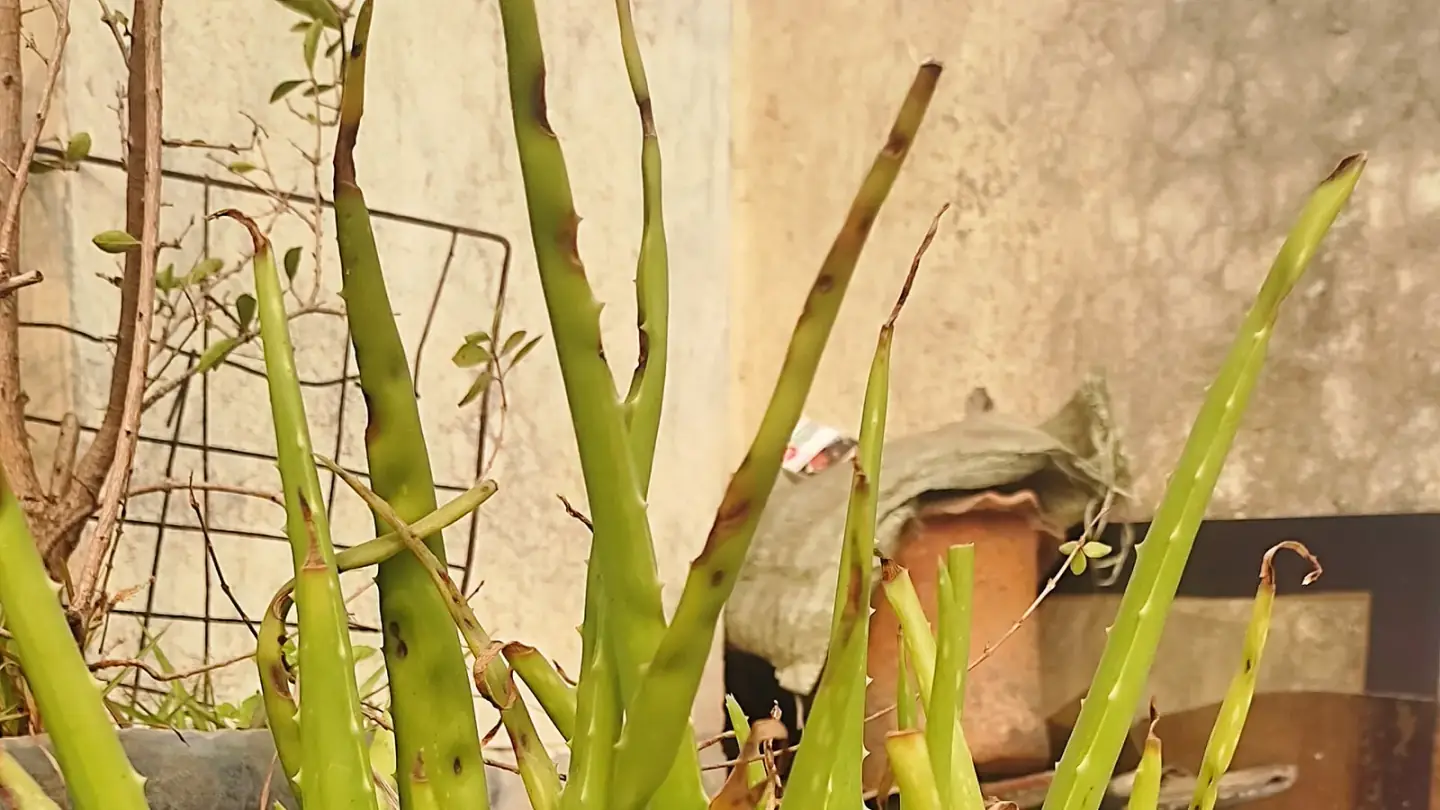
Aloe vera
A medicinal succulent storing water in leaves and requiring bright light, sparse irrigation, and rapid drainage.
Aloe vera expands through offsets and thick gel-filled leaves. Moderate feeding during active growth is enough; wet media is the main production risk.
For practical cultivation, Aloe Vera needs its light, water, root-zone aeration, and nutrition managed as one system. The guidance below organizes those needs by growth stage; final field or container rates should follow the product label, plant size, local conditions, and soil or media analysis.
Dry wound healing, roots, drainage
Let Aloe Vera cuts and roots settle in dry, airy media before watering deeply or adding fertilizer.
Light feeding, mineral balance, strong light
Use very dilute, infrequent nutrition while Aloe Vera is actively growing; more fertilizer cannot compensate for weak light.
Dryness, airflow, no unnecessary feeding
Pause Aloe Vera feeding when growth stops and keep the root zone drier to reduce rot risk.
Match each product to the crop stage and root zone. Final rates should follow the product label, soil condition, and local agronomic advice.

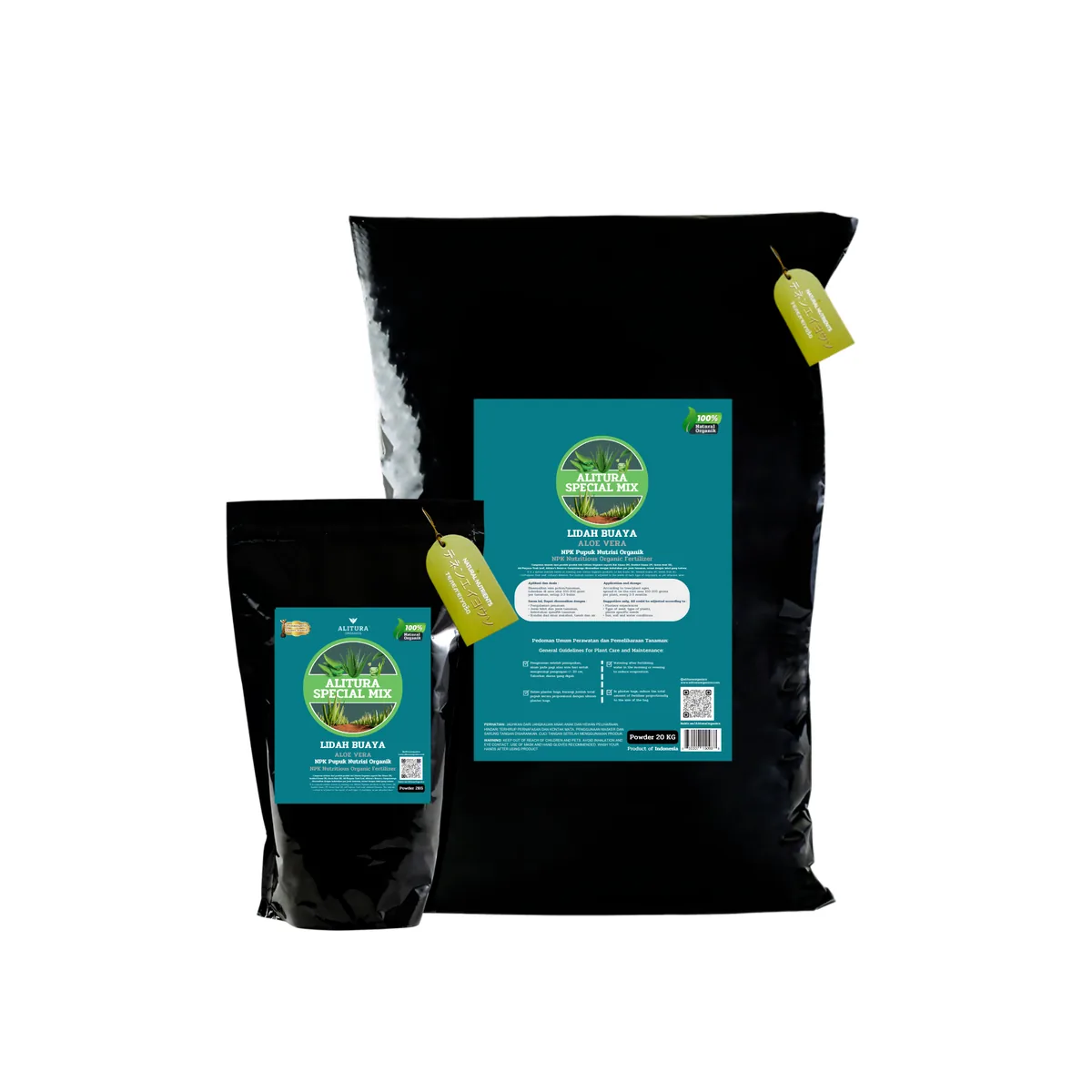
Special organic blend formulated for decorative plant growth and crop quality.
From IDR 28.000 / Kg(Packaging 20Kg)
Recommended for
Active growth · Rest or slow-growth period
Lidah Buaya Special Mix organic nutrition can support Aloe Vera when its use follows crop stage, soil condition, and the product label.
Introduce during active growth and the higher-demand stages listed above; avoid a large corrective dose close to harvest or dormancy.
Apply to moist soil around the active Aloe Vera root zone, keep material away from stems or crowns, water in, and adjust the amount to plant size and field or container conditions.
Apply around the active root zone or mix into the planting media according to the package label, then water lightly. Adjust the amount to plant size, soil condition, and crop stage.
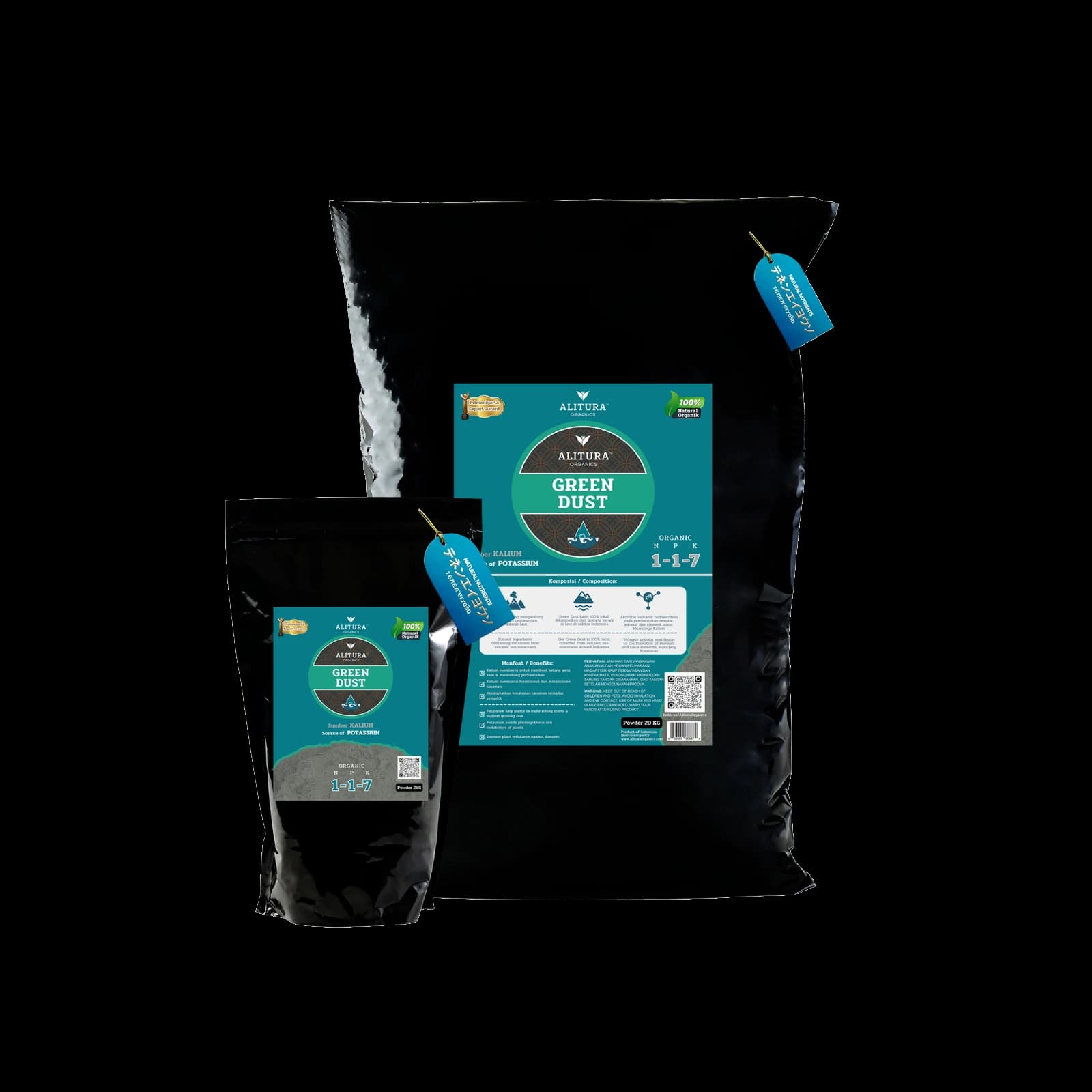
Natural Source of Potassium and Volcanic Mountain Minerals
From IDR 28.000 / Kg(Packaging 20Kg)
Recommended for
Root establishment · Active growth
potassium-rich mineral support provides a defensible foundation for Aloe Vera without replacing soil or leaf analysis.
Use during soil preparation, establishment, or recovery, then reassess before the next growth stage.
Spread evenly through the cultivated root zone or media, mix lightly where appropriate, and never pile fertilizer against Aloe Vera.
Green Dust is a fine powder mixed into soil or growing media. As a general guide, work a small handful (roughly 30-50 g per plant) into the soil around the root zone, or blend evenly through your potting/growing mix before planting. For beds and fields, broadcast lightly and incorporate into the topsoil. Apply at planting and again during the fruiting or flowering stage when potassium demand peaks. Water in well after application. Because Green Dust is high in potassium, use it as a targeted boost rather than a sole fertilizer, and pair it with a nitrogen source for balanced growth. Always confirm rates against your crop and soil conditions; when in doubt, start light and adjust.