Seabird Guano vs Bat Guano: Which One Your Plants Actually Need (and How to Combine Them)

By George Vie
Published 2026-06-30
Bat Guano leans toward nitrogen for leafy growth; Seabird Guano is phosphorus-rich for roots, flowers, and fruit. Here is how a grower decides which to use, when, and how to combine them.
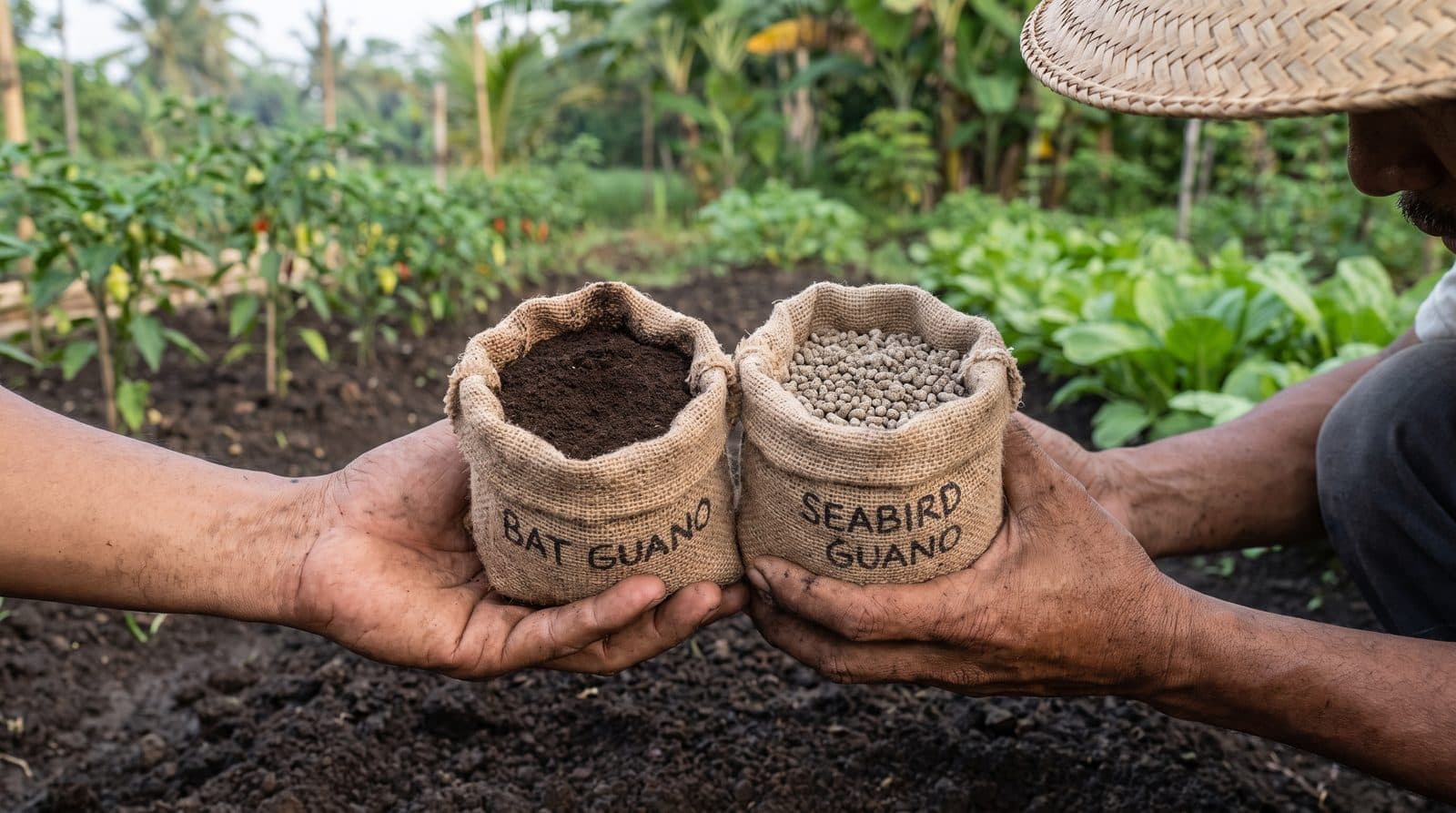
Guano has fed gardens for generations, but not every guano does the same job in the soil. The two types most worth keeping on the shelf are Bat Guano and Seabird Guano, and the practical difference comes down to one thing: the balance between nitrogen (N) and phosphorus (P). Once you can read that balance, you stop guessing and start feeding each plant for the exact stage it is in.
I have used both on the same beds across a full growing season, and the difference shows up plainly in the plants, leafier and faster with one, more flowers and heavier fruit set with the other. Here is how to tell them apart and put each to work.
The core difference: nitrogen vs phosphorus
Plants lean on nitrogen most during their leafy, vegetative phase. Nitrogen drives chlorophyll, deep-green leaves, and fast shoot growth. Phosphorus matters more once the plant turns to rooting, flowering, and fruiting, building strong roots and pouring energy into blooms, fruit, and seed.
- Bat Guano is valued as a strong natural nitrogen source, with plant-ready phosphorus alongside it. That balance makes Alitura Bat Guano a flexible feed for leafy growth and general soil-building, especially early in the season.
- Seabird Guano is markedly higher in phosphorus. Alitura Seabird Guano carries a listed NPK of roughly 1-16-1, in other words, a concentrated organic phosphorus source rather than a leaf-pusher.
A simple way to remember it: Bat Guano helps the plant grow, Seabird Guano helps it bloom and set fruit. Both also bring micronutrients such as calcium, magnesium, iron, and zinc, along with organic matter and the soil life that synthetic salts simply do not feed.
When to reach for each
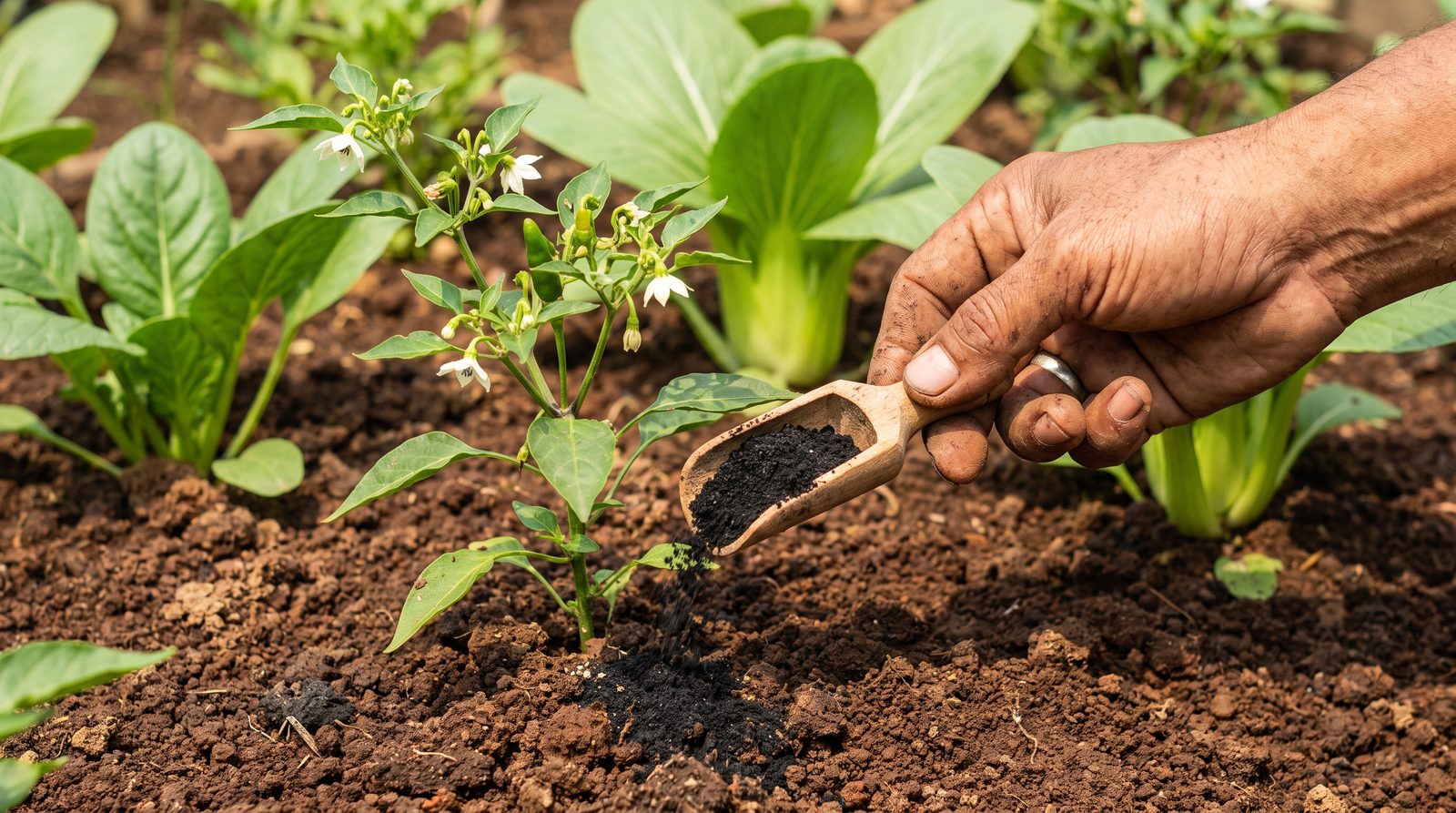
Match the guano to what the plant is doing right now.
- Early and leafy growth: Reach for Bat Guano. Leafy greens (kangkung, bayam, sawi, selada), young transplants, and lawns respond to its nitrogen through the vegetative stretch.
- Rooting, flowering, and fruiting: Reach for Seabird Guano. As tomatoes, chillies, eggplant, fruit trees, and flowering ornamentals shift toward buds and fruit, the extra phosphorus supports root strength, bloom set, and seed formation.
- Suspected phosphorus shortage: Purple-tinged leaves, weak roots, and slow maturity can point to low phosphorus. Seabird Guano is a targeted organic way to address it, though it is worth ruling out cold soil or waterlogging first, since those mimic the same symptoms.
- General soil-building: Bat Guano's broader nutrient and biology profile makes it a dependable all-round amendment for tired soil.
Because both release slowly from organic matter, they feed steadily and are far gentler on roots than concentrated synthetic salts. Still, organic does not mean unlimited, over-applying any guano can throw off your soil balance, so it pays to start moderate.
How to combine them through the season
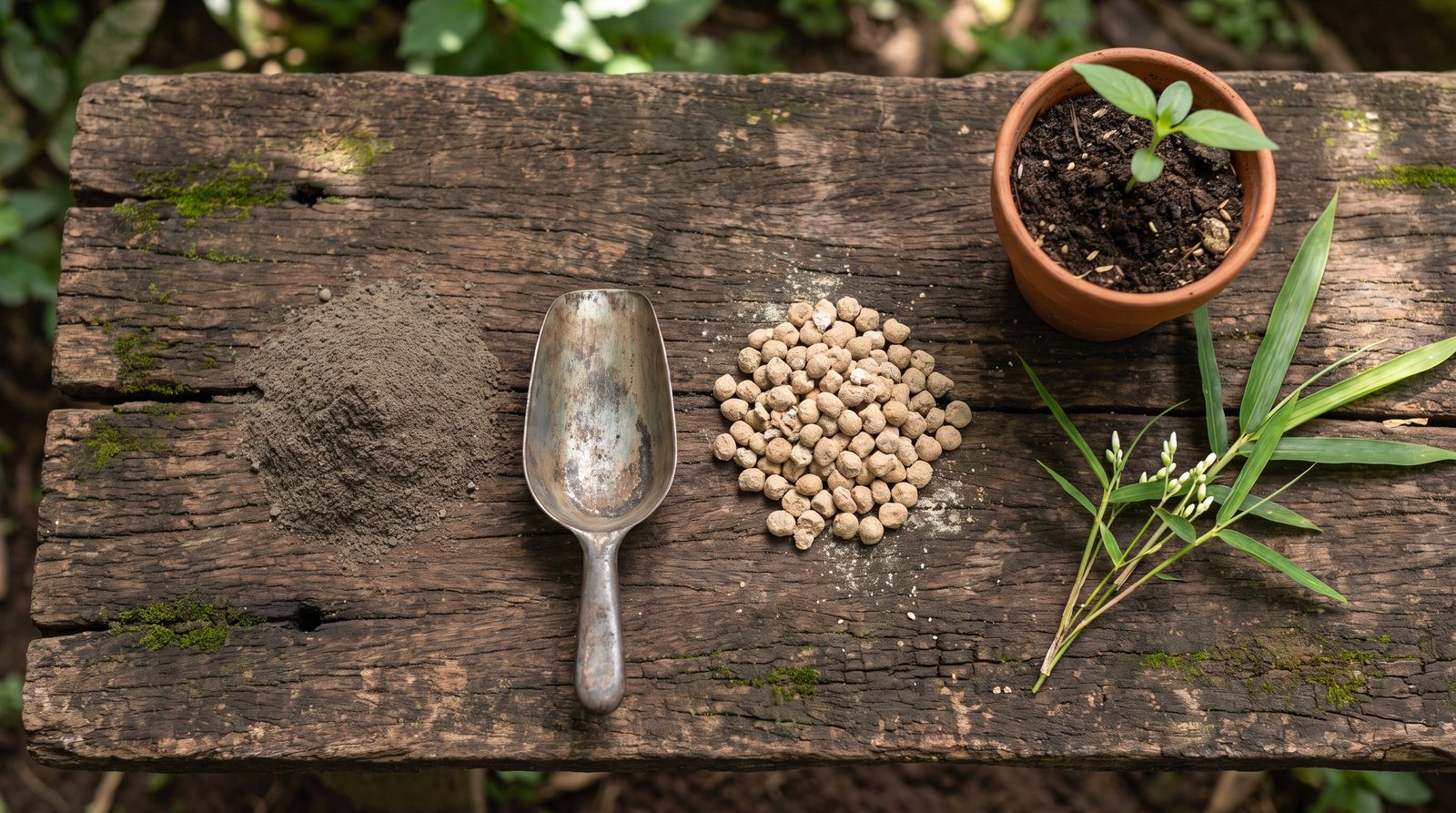
The two guanos are complementary, not competing. The reliable rhythm is to lead with nitrogen early and shift toward phosphorus as the plant matures.
- At planting / early growth: Work Bat Guano into the soil or the top of the bed to fuel root establishment and leafy growth.
- As buds form: Begin working Seabird Guano into the root zone to support flowering and fruiting.
- Through fruiting: Lean more on Seabird Guano so the plant has the phosphorus to fill out fruit and seed.
If you would rather feed both at once, a simple blend works. As a general guide, mix a heavier scoop of Bat Guano with a smaller scoop of Seabird Guano for leafy crops, then flip that ratio for flowering crops. If you prefer not to mix your own, Alitura's ready-made blends, Prime Blend and Alitura's Reserve, already combine both guanos with other organic inputs.
Application tips from the bed
- Forms: Both come as easy-to-scatter powder or slow-release pellets. Powder acts faster; pellets feed more gradually, handy for containers you do not want to recharge often.
- Methods: Work guano lightly into the topsoil, side-dress around established plants, or steep it in water for a few hours to make a gentler liquid "guano tea."
- Water it in: After applying, water the bed so the nutrients move down toward the root zone.
- Go gradually: Start with a modest amount, watch how plants respond over a couple of weeks, then adjust. It is always easier to add more than to undo an overdose.
- Pair with structure: For pots and seedlings, combine guano with good media and minerals, volcanic rock dust adds slow-release micronutrients that complement guano well.
The bottom line
Treat Bat Guano as your growth fertilizer and Seabird Guano as your bloom-and-fruit fertilizer. Use Bat Guano to build green, leafy plants and living soil; switch to or add Seabird Guano when you want stronger roots, more flowers, and a heavier harvest. Run them together across the season and you cover a plant's full nutritional arc, naturally, without synthetic chemicals.
Frequently asked questions
Neither is universally better, they do different jobs. Bat Guano is a stronger nitrogen source for leafy, vegetative growth, while Seabird Guano is far higher in phosphorus for roots, flowering, and fruiting. The best choice depends on your plant's growth stage.
Yes. They are complementary. A practical approach is to use more Bat Guano for leafy crops and more Seabird Guano for flowering and fruiting crops, or lead with Bat Guano early in the season and add Seabird Guano as buds form.
It means the product is very high in phosphorus (the middle number, 16) relative to nitrogen and potassium. That makes it a concentrated organic phosphorus source ideal for rooting, flowering, and fruiting rather than pushing leafy growth.
Because guano releases slowly from organic matter, it is gentle, but start with a modest amount, work it lightly into the topsoil or side-dress around plants, water it in, and adjust over a couple of weeks based on how your plants respond.
Related products
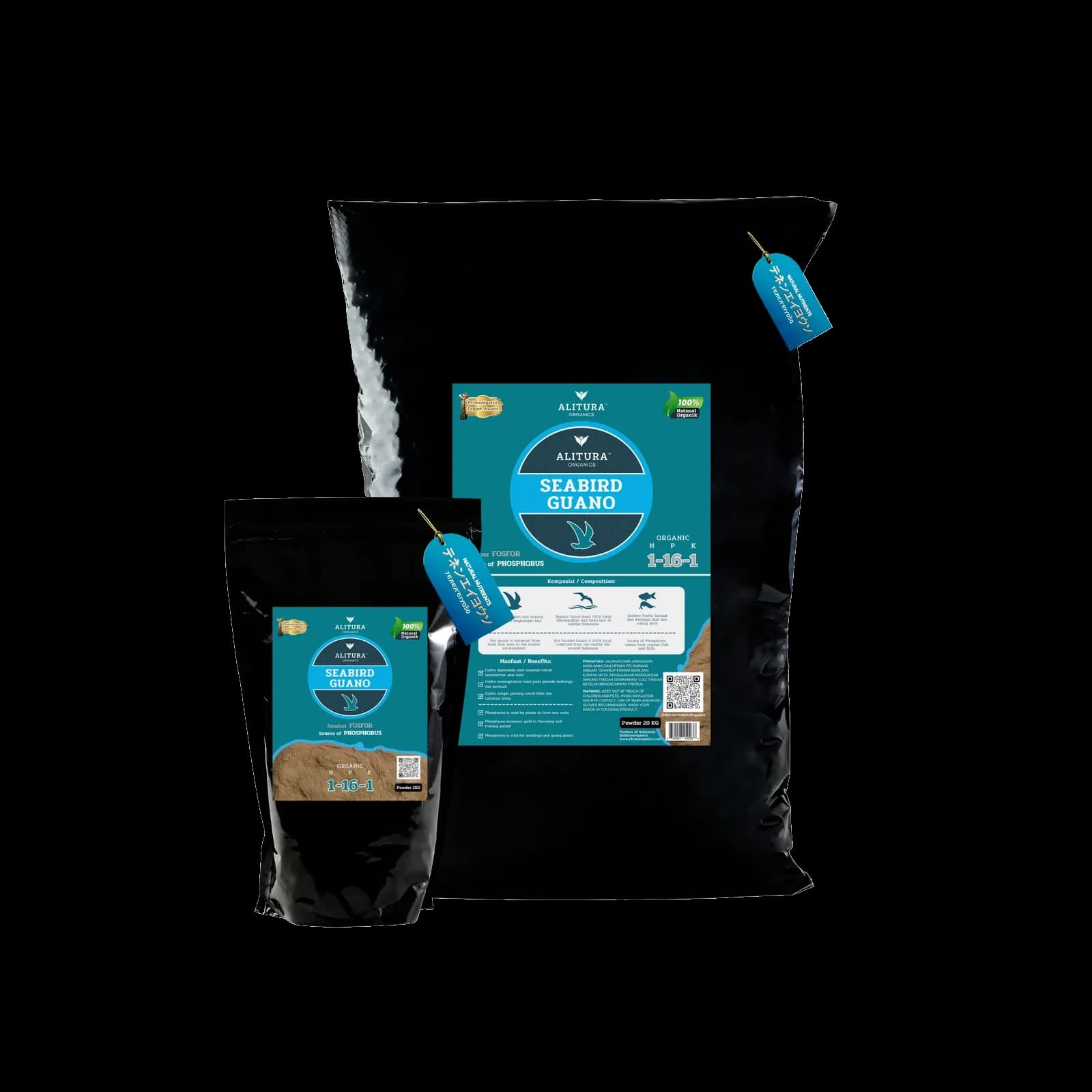
Seabird Guano
Natural Source of Phosphorus
From IDR 27.000 / Kg(Packaging 20Kg)
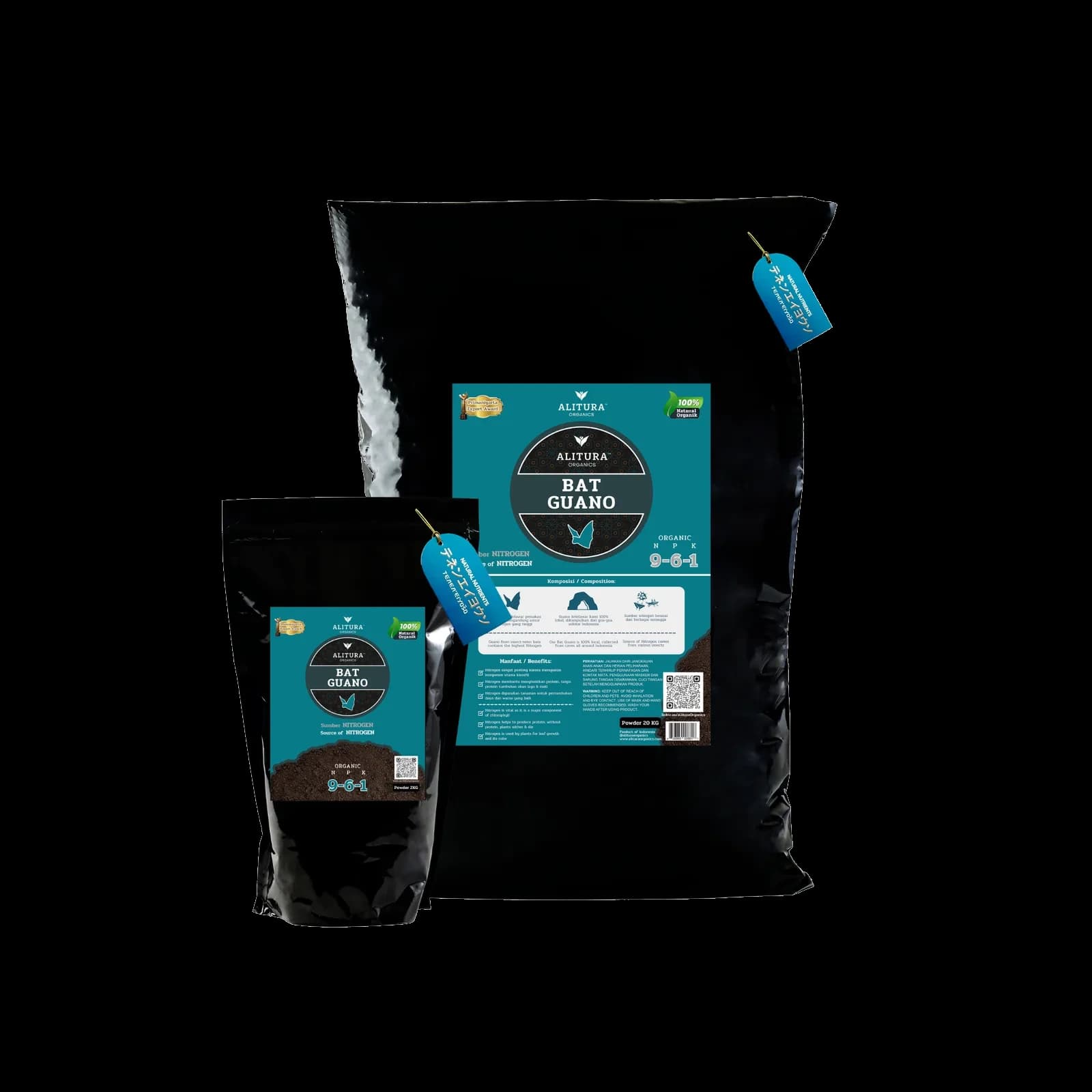
Bat Guano
Natural Source of Nitrogen and Phosphorus
From IDR 28.000 / Kg(Packaging 20Kg)
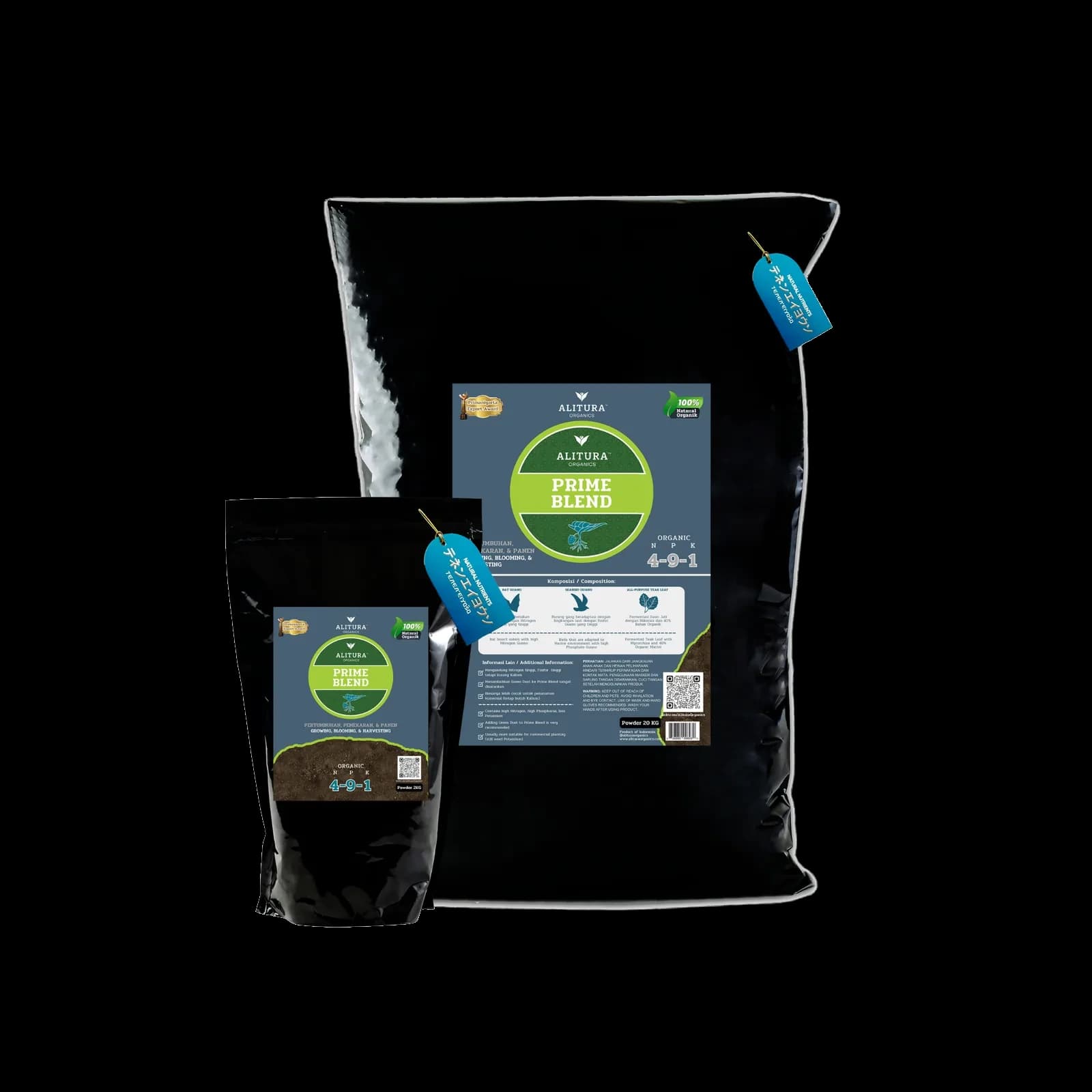
Prime Blend
Growing, Blooming
From IDR 27.000 / Kg(Packaging 20Kg)
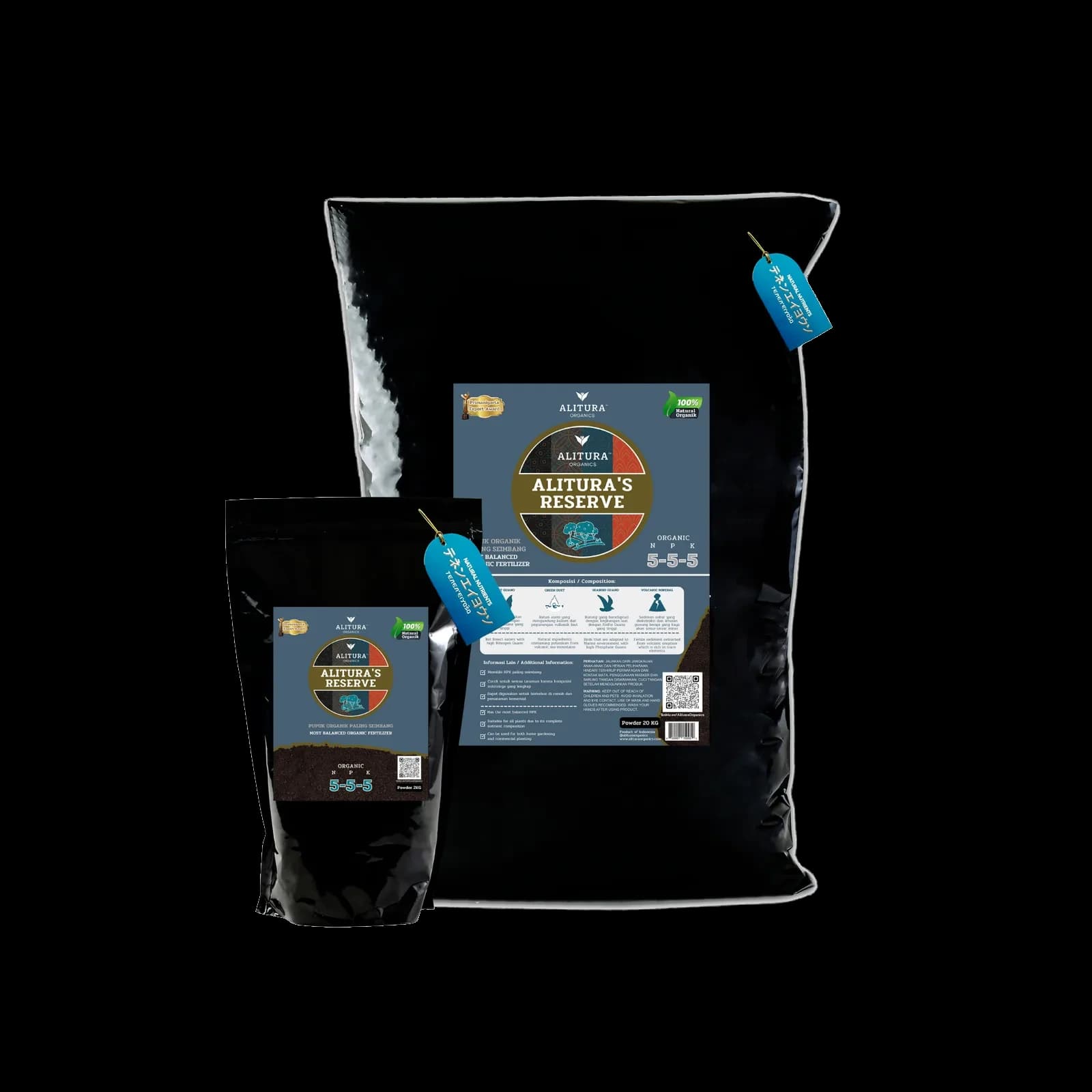
Alitura's Reserve
Most Balanced NPK 5-5-5 Organic Nutritional Fertilizer
From IDR 28.000 / Kg(Packaging 20Kg)
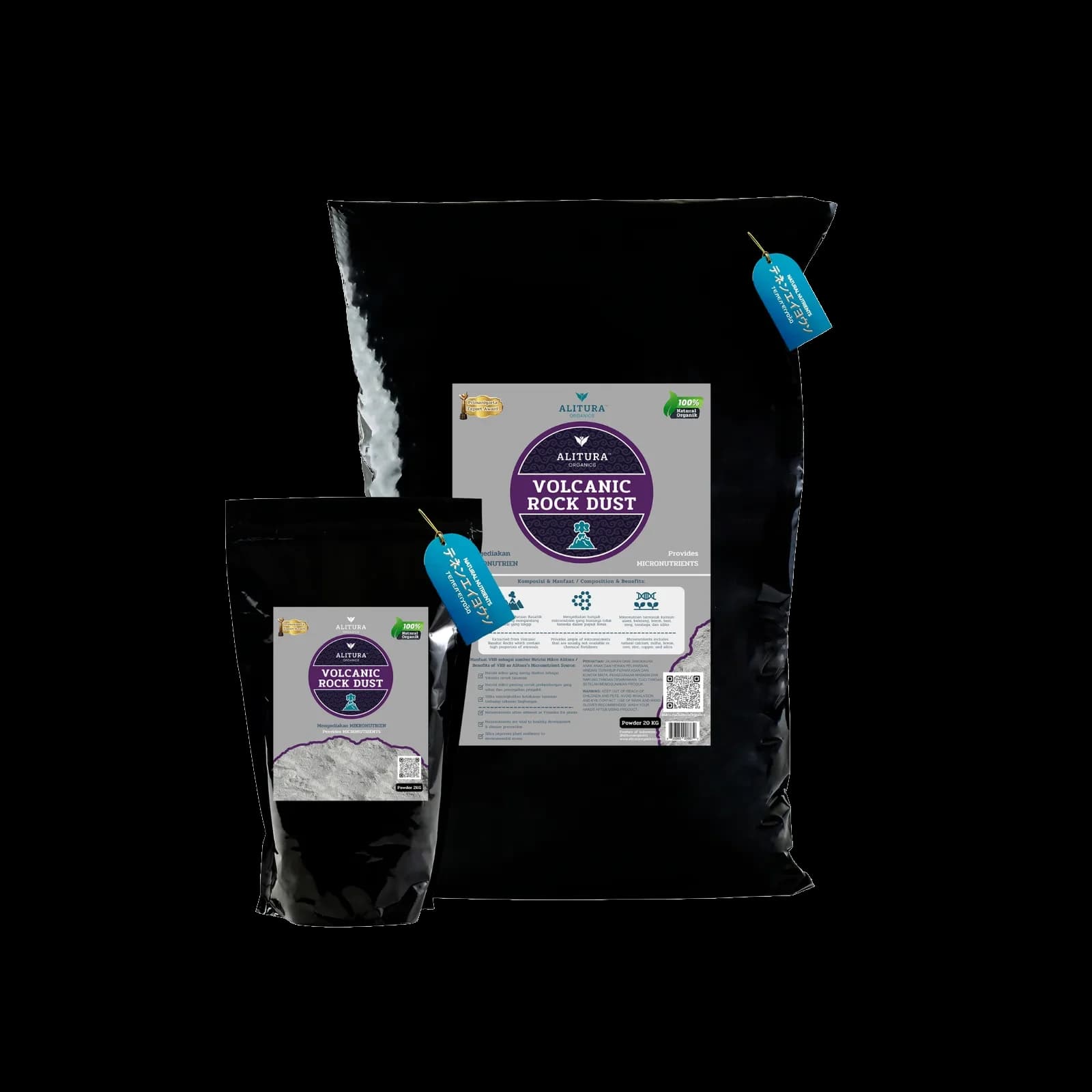
Volcanic Rock Dust
Provides Micronutrients
From IDR 27.000 / Kg(Packaging 20Kg)