
Understanding NPK: What a Balanced 5-5-5 Organic Fertilizer Really Does for Your Plants

By George Vie
Published 2026-06-30
A plain-language, grower-tested guide to NPK and why a balanced 5-5-5 organic fertilizer is a safe, steady choice for most garden and farm plants.
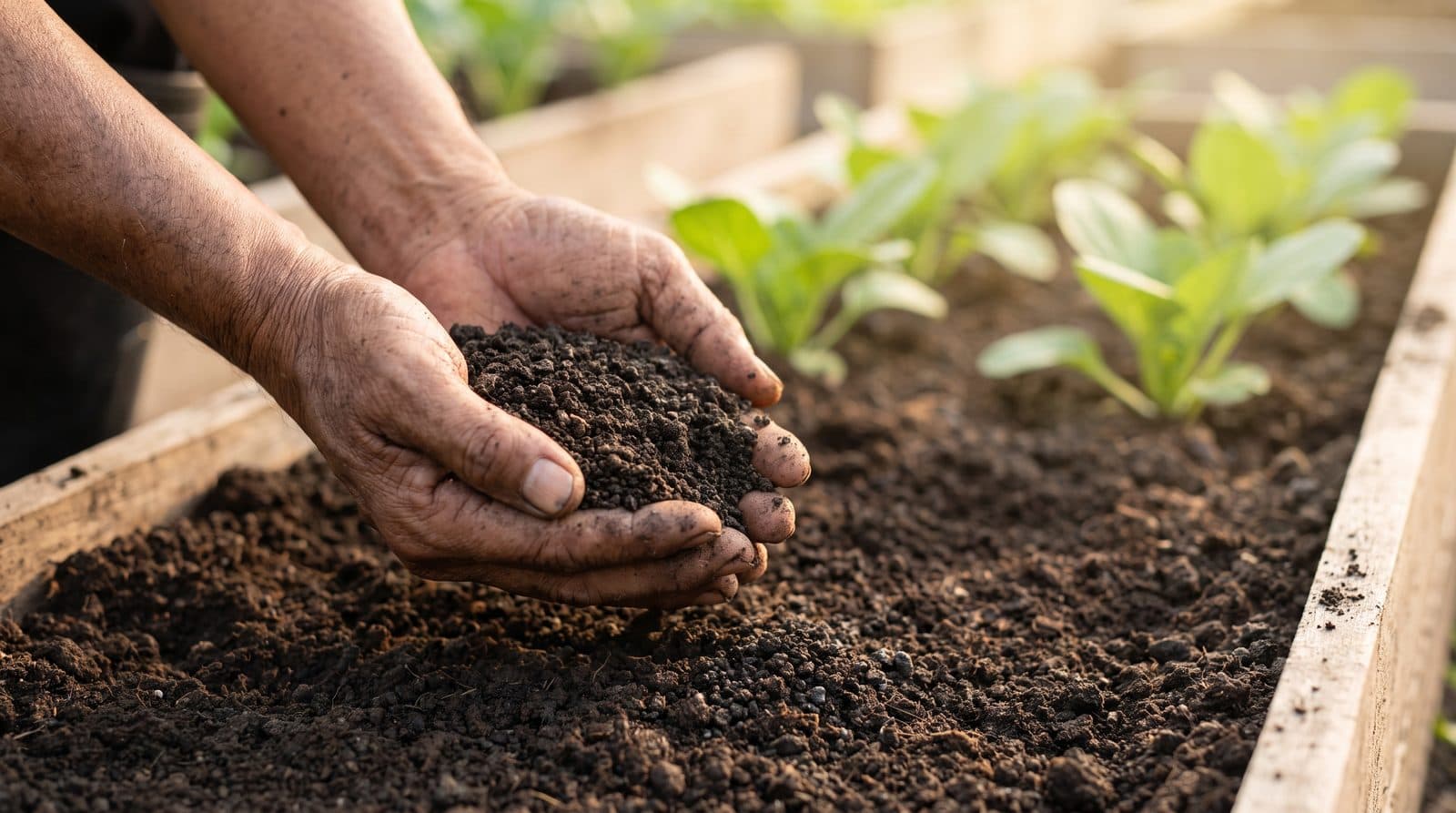
Every bag of fertilizer carries three numbers, like 5-5-5. They look technical, but the idea behind them is simple. After years of feeding my own beds and helping neighbours sort out tired-looking plants, I've found that once you understand what NPK means, choosing the right product gets a lot easier, and you stop guessing at the garden store.
What the three numbers in NPK actually mean
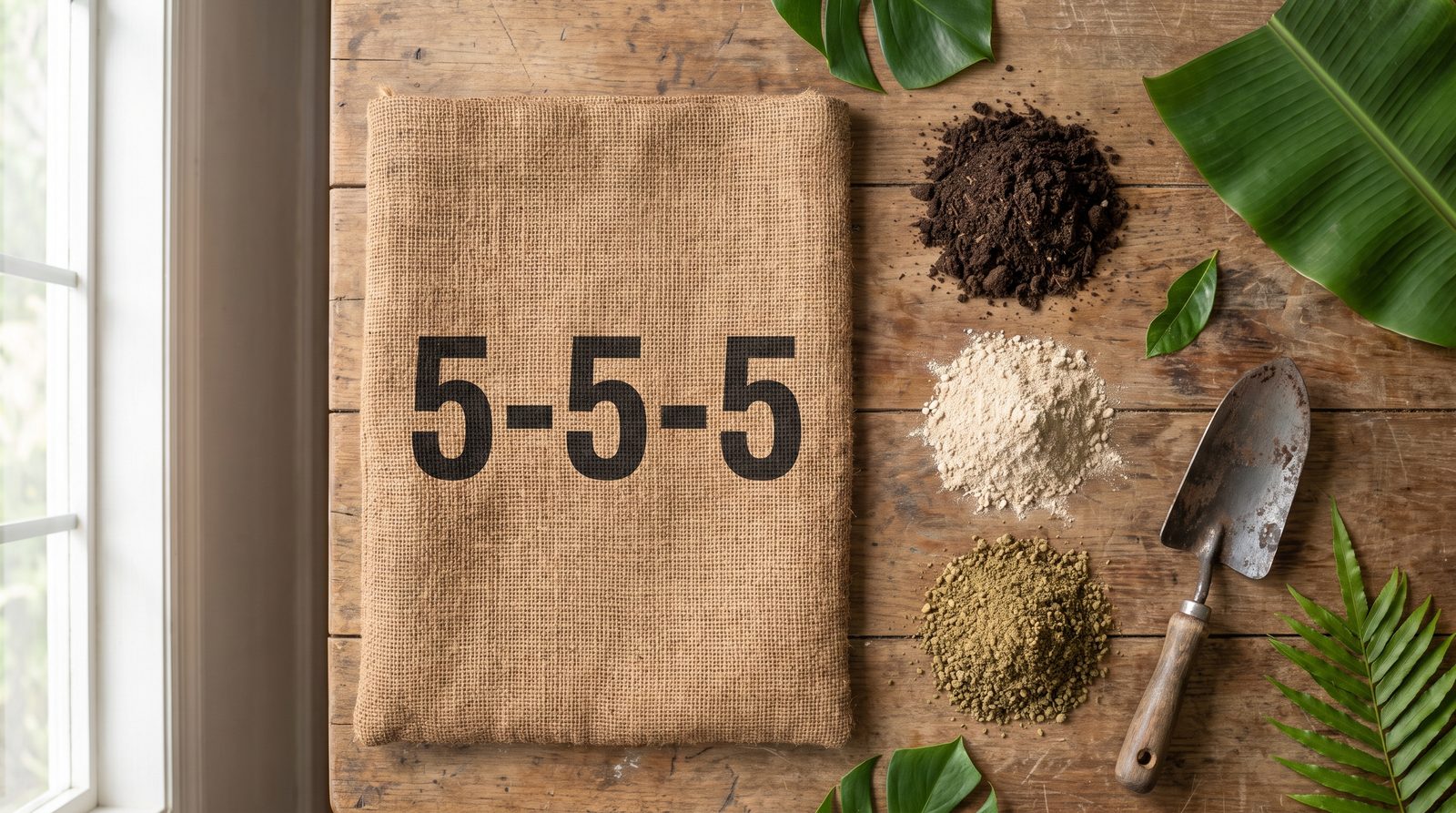
NPK stands for the three nutrients plants need in the largest amounts: Nitrogen (N), Phosphorus (P), and Potassium (K). The numbers on the label show the percentage of each, always in that order.
- Nitrogen (N) drives leafy, green growth. When my plants run short on nitrogen, the lower leaves go pale first and growth stalls.
- Phosphorus (P) supports roots, flowering, and fruit or seed set. It matters most in early growth and during the shift into flowering.
- Potassium (K) is the all-rounder. It helps with water regulation, disease resistance, and the overall sturdiness of the plant, things you notice most when the weather turns harsh.
So a 5-5-5 fertilizer contains 5% nitrogen, 5% phosphorus, and 5% potassium by weight. The rest is organic matter, minerals, and carriers that feed the soil life, not just the plant.
Why a balanced 5-5-5 is a smart default
A 5-5-5 ratio is balanced because all three numbers are equal. No single nutrient dominates, so the plant gets a steady, even supply. That makes it a forgiving, general-purpose feed, which is exactly what you want when you're growing many different crops in one space or simply don't want to juggle several specialised products.
The "5" also signals a gentle concentration. Many synthetic fertilizers carry much higher numbers, like 20-20-20. Those release fast and can scorch roots or burn leaves if you overapply, a mistake I made early on and don't care to repeat. Organic blends with modest numbers, such as our Prime Blend, release nutrients slowly as soil microbes break them down. The result is a longer feeding window and far less risk of burning your plants, even when your measuring isn't perfect.
For most home gardeners and smallholder farmers, balanced and gentle beats strong and fast. You feed the soil, and the soil feeds the plant.
Reading the label beyond the numbers
The NPK figure is only part of the story, especially with organic fertilizer.
- Source matters. Composted manure, guano, and plant meals release nutrients at different speeds. A premium blend like Alitura's Reserve combines several inputs so feeding stays more even over time.
- Some inputs lean one way. High-phosphorus sources like Bat Guano and Seabird Guano are ones I reach for around flowering and fruiting, when plants ask for more P than a flat 5-5-5 provides.
- Organic matter builds soil. Beyond NPK, organic fertilizers add carbon and humus that improve water retention and feed beneficial microbes, something a number on the bag can't capture.
- Micronutrients count too. Iron, magnesium, and trace minerals aren't in the NPK ratio but still affect plant health. This is where a rock-mineral amendment like Volcanic Mineral earns its place.
Treat the 5-5-5 number as a guide to nutrient balance, not a complete measure of quality. As a general rule, a lower number from a rich organic source often performs better over a full season than a higher synthetic one.
How to use a 5-5-5 fertilizer well
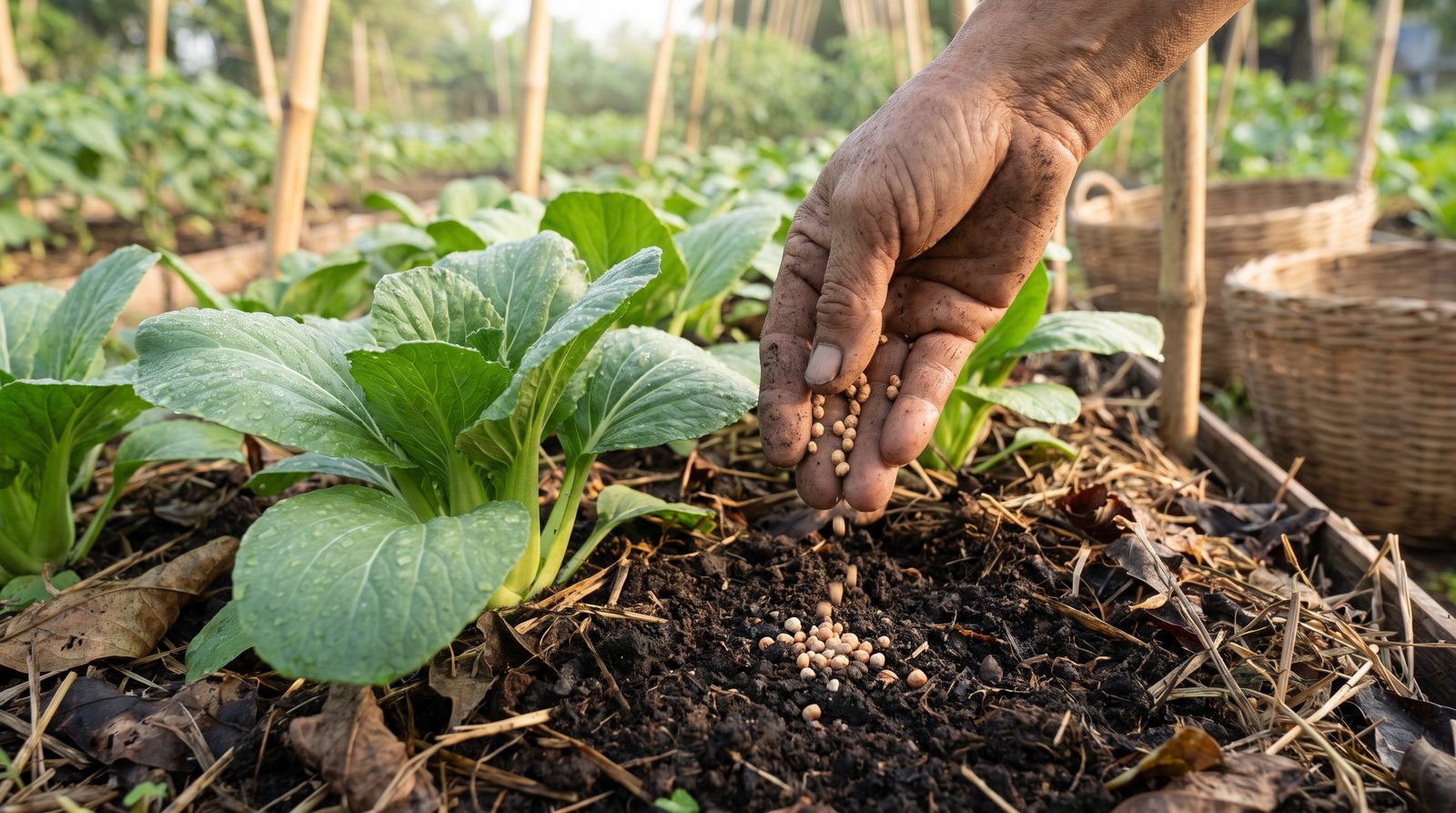
A balanced feed is easy to apply, but a few habits make a real difference:
- Start with your soil. Do a simple soil test if you can, or just read the plants. Yellowing lower leaves usually mean low nitrogen; weak flowering can point to a phosphorus or potassium need.
- Apply lightly and often. With slow-release organic blends, modest regular feeding beats one heavy dose. As a general guide, a light handful worked around each plant every few weeks during active growth is plenty.
- Work it into the topsoil or water it in. This puts nutrients where roots can reach them and reduces loss to rain and runoff.
- Match the crop stage. Balanced 5-5-5 suits most of the growing cycle. Heavy fruiters often benefit from extra potassium or a guano boost later on, while leafy greens enjoy a nitrogen lean.
- Keep building organic matter. Pair fertilizer with compost and mulch so the soil itself becomes more fertile each season.
A balanced 5-5-5 organic fertilizer is one of the most versatile things a grower can keep on hand. It feeds vegetables, fruit, herbs, ornamentals, and lawns without forcing you to memorise a different formula for each. Lead with healthy soil, feed steadily, and let the plant do the rest.
Frequently asked questions
For most vegetables, herbs, fruit, ornamentals, and lawns, a balanced 5-5-5 is a solid all-purpose feed. Heavy fruiters or leafy greens may benefit from a nutrient lean later in the season, but 5-5-5 covers most of the growing cycle well.
Organic fertilizers release nutrients slowly as soil microbes break them down, so a lower number still feeds plants steadily over weeks. They also add organic matter that improves the soil itself, which a high synthetic number does not provide.
The risk is much lower than with concentrated synthetic feeds because the nutrients release gradually. Still, apply lightly and work it into the soil or water it in to avoid concentrating it against roots.
Modest, regular feeding works best with slow-release organic blends. Many growers feed every few weeks during active growth and combine it with compost and mulch to keep building soil fertility.
Related products

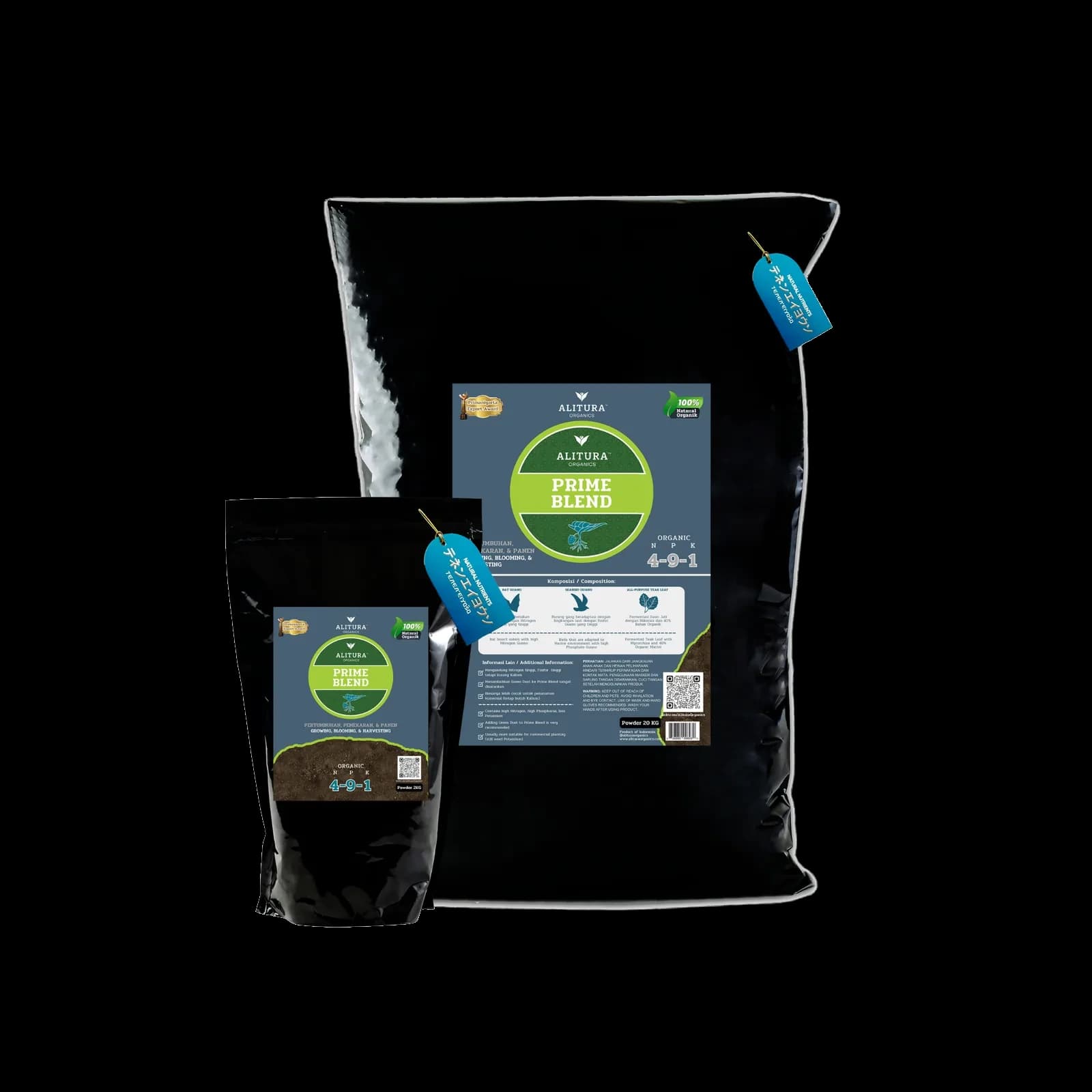
Prime Blend
Growing, Blooming
From IDR 27.000 / Kg(Packaging 20Kg)
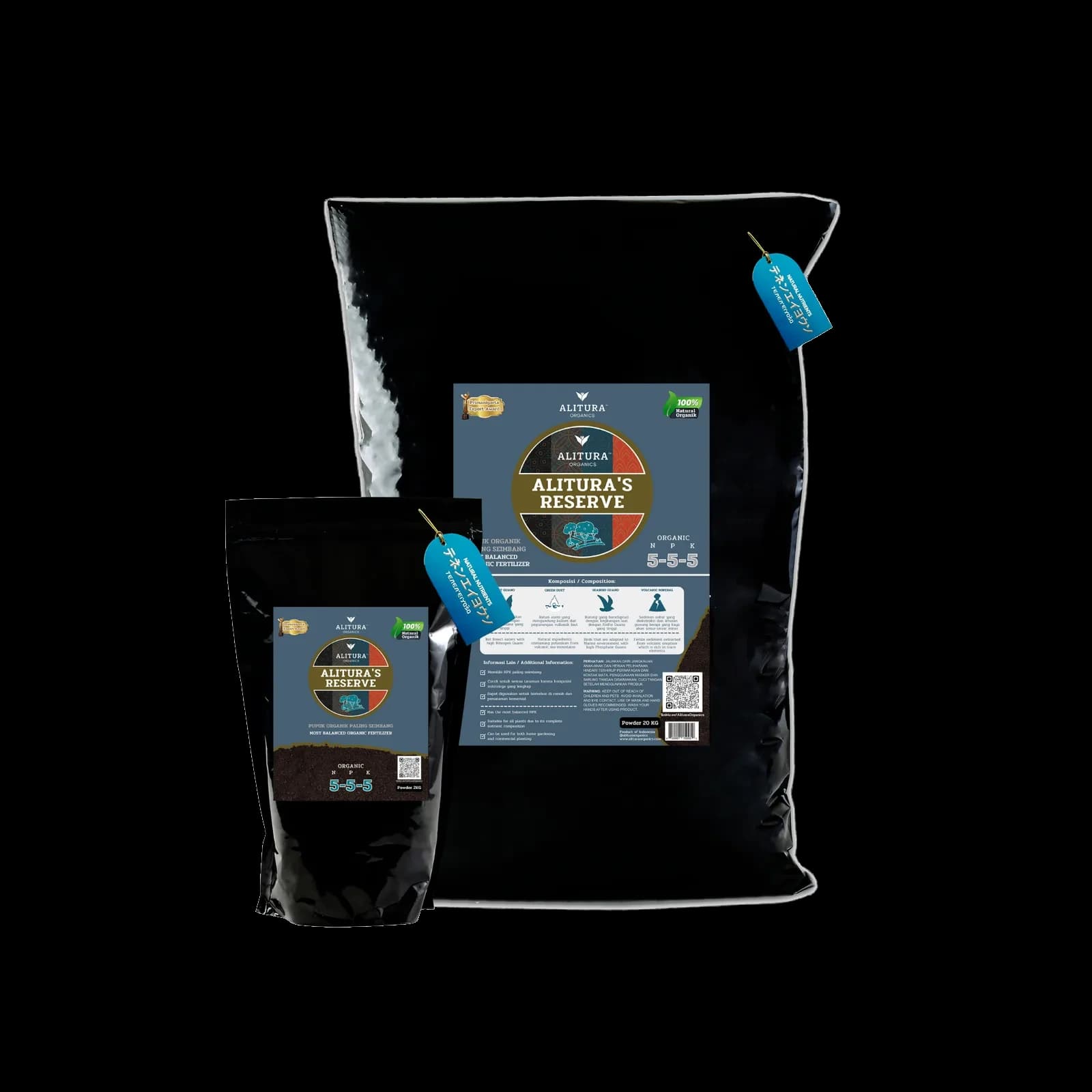
Alitura's Reserve
Most Balanced NPK 5-5-5 Organic Nutritional Fertilizer
From IDR 28.000 / Kg(Packaging 20Kg)
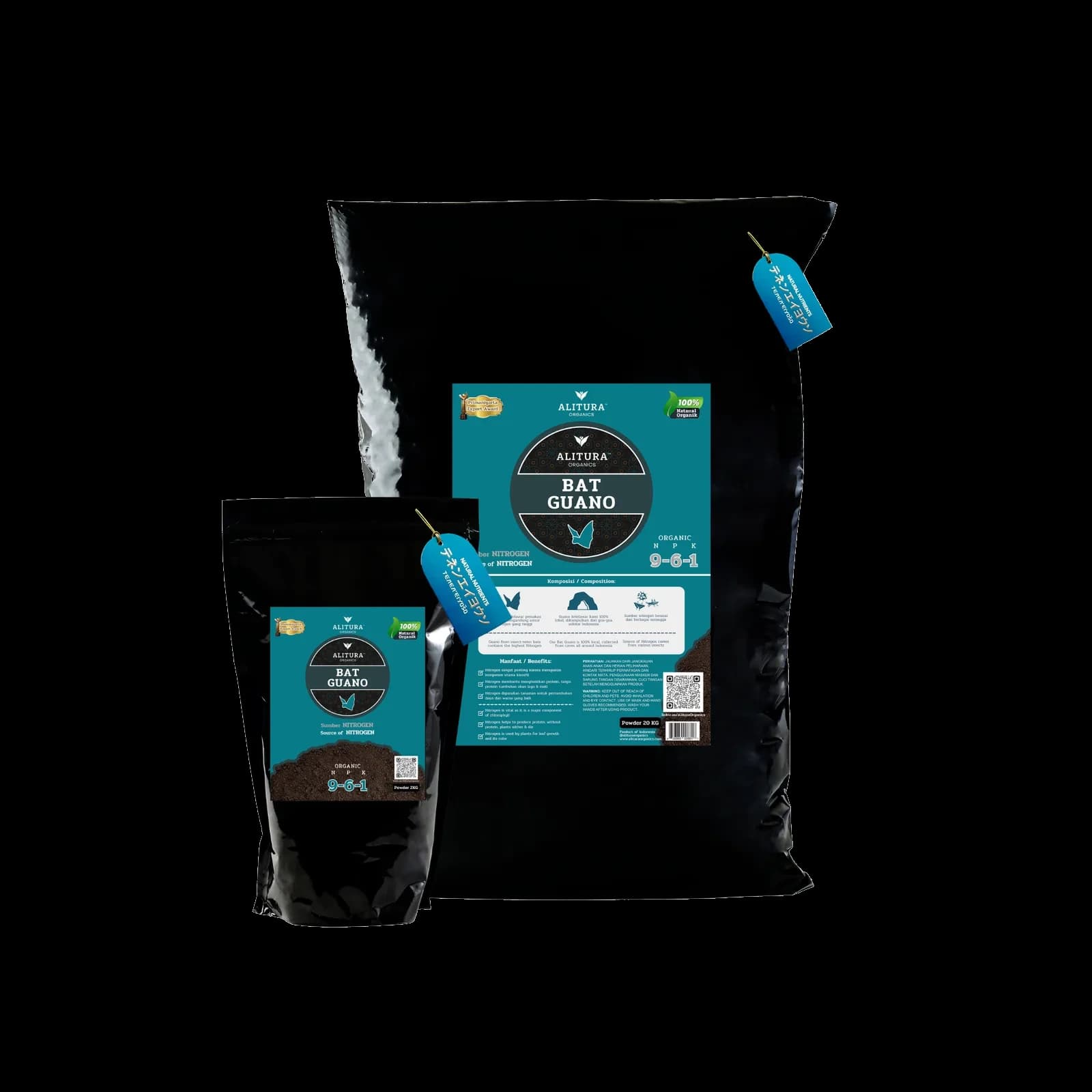
Bat Guano
Natural Source of Nitrogen and Phosphorus
From IDR 28.000 / Kg(Packaging 20Kg)
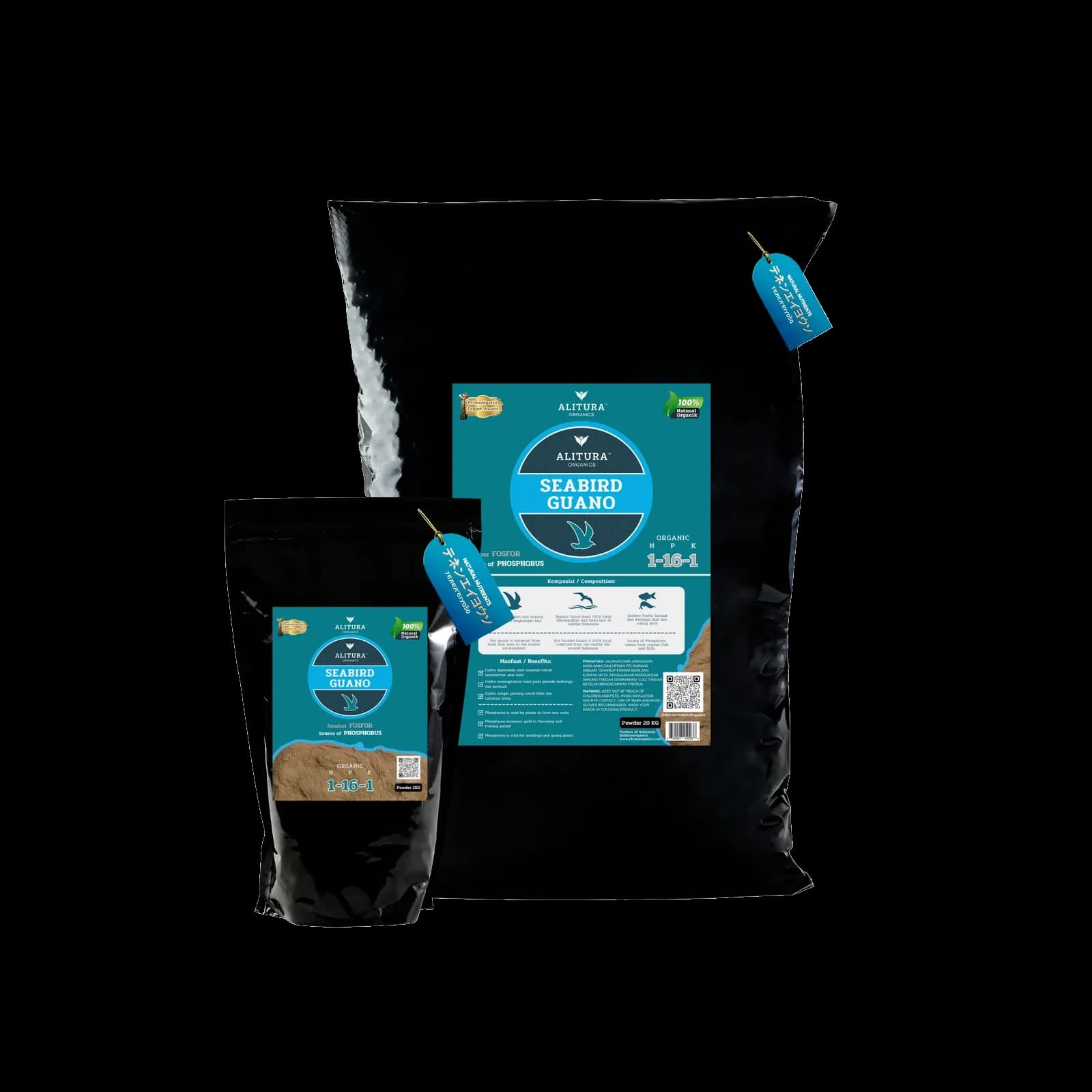
Seabird Guano
Natural Source of Phosphorus
From IDR 27.000 / Kg(Packaging 20Kg)
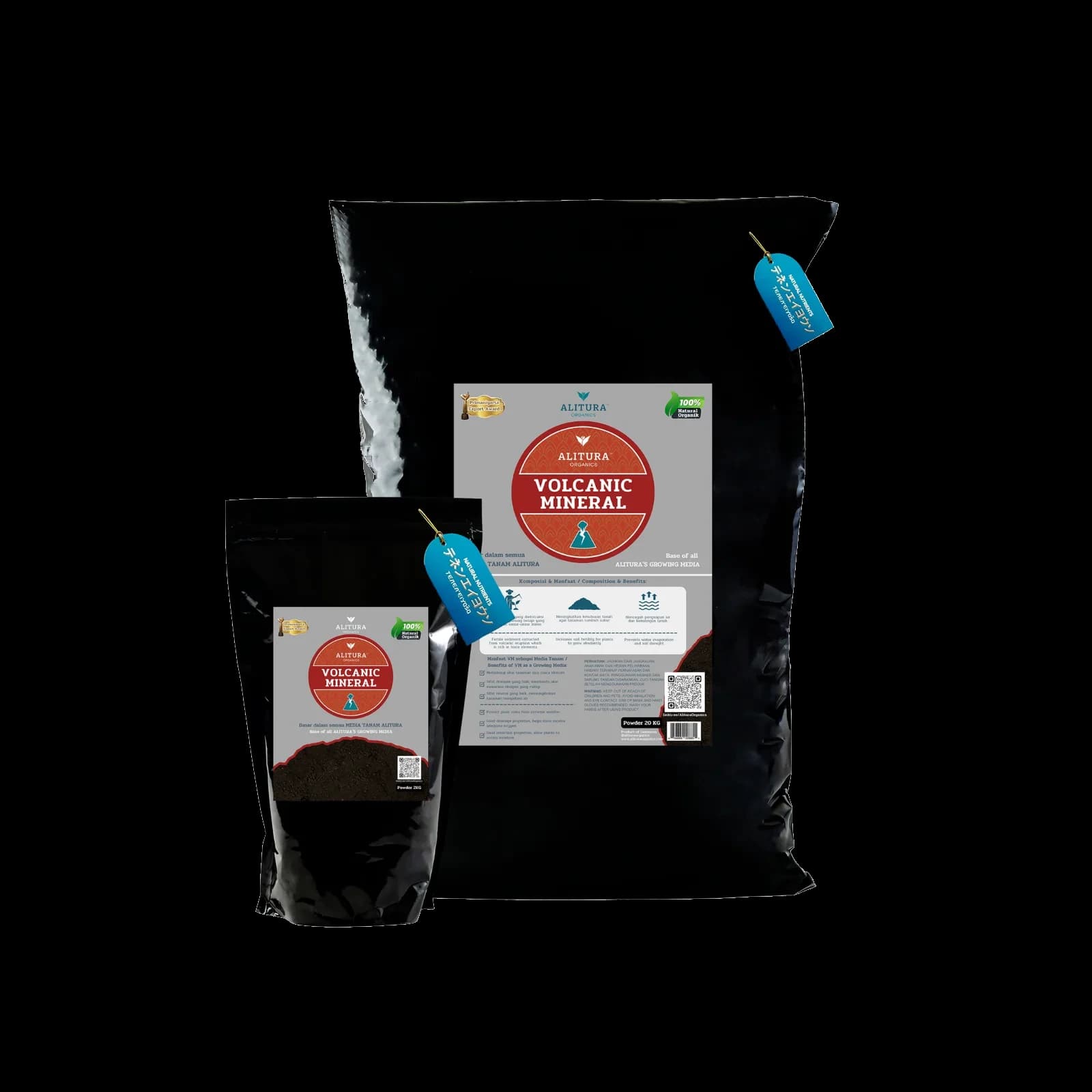
Volcanic Mineral
Organic Carbon, Humic Acid
From IDR 27.000 / Kg(Packaging 20Kg)