
How to Use Bat Guano Fertilizer: A Practical Field Guide for Farmers and Home Gardeners

By George Vie
Published 2026-06-30
A grower's hands-on guide to Bat Guano: what it is, how and when to apply it, the right dosage, the crops it suits best, and how to handle it safely.
What Is Bat Guano?
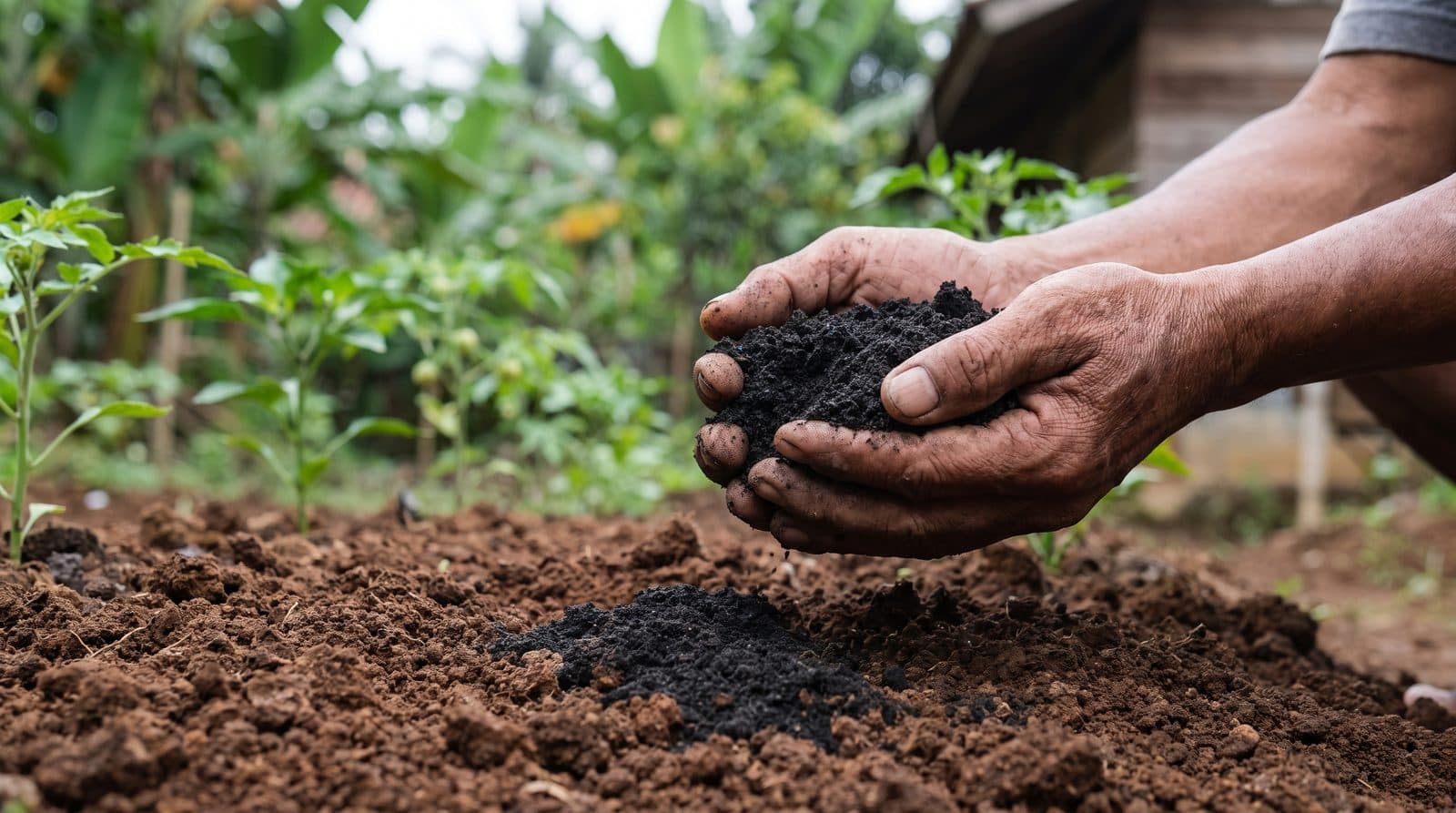
Bat Guano is the aged droppings of bats, harvested from caves where colonies have roosted for years. Over time, cave microbes slowly break it down into a fine, dark, nutrient-rich organic fertilizer. The first time you open a bag, the texture tells you a lot: good guano is soft and crumbly, not sticky or sour-smelling. Growers have leaned on it for generations because it does two things at once, it feeds the plant and it feeds the living soil underneath.
Not all guano is the same. The nutrient balance depends on what the bats ate and how long the deposit has aged:
- High-phosphorus guano comes from older, more weathered deposits. It supports strong roots, flowering, and fruiting.
- High-nitrogen guano comes from fresher deposits left by insect-eating bats. It supports leafy, vegetative growth.
Alitura's Bat Guano is processed to retain its natural nutrients and beneficial microbial activity, so you get plant food and a soil tonic in a single product. If you garden on coastal or sandy land and want a slightly different nutrient profile, Seabird Guano is used in much the same way and makes a sensible companion.
How and When to Apply Bat Guano
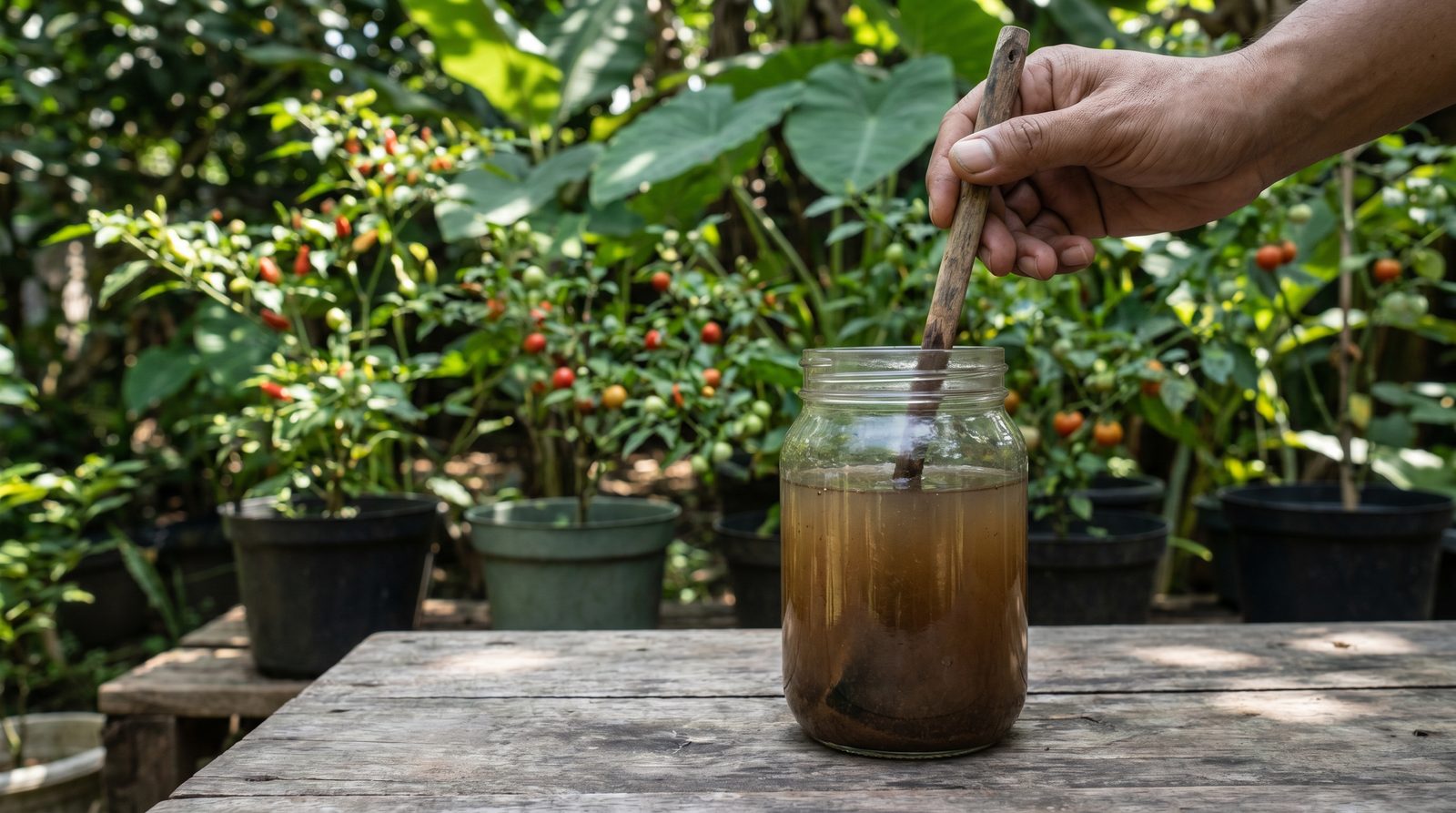
Bat Guano is forgiving and flexible. You can work it into the soil, brew it into a liquid feed, or use it as a side-dressing during the season. Pick the method that fits your crop and your routine, here is how each one works in practice.
As a soil amendment (before planting). Mix the guano evenly into the top 10–15 cm of soil, or into your potting mix, about one to two weeks before sowing or transplanting. That waiting period lets the nutrients settle in with the soil life so young roots are never shocked when they reach it.
As a top-dressing (during growth). Sprinkle a thin band around the base of established plants, keeping it a few centimetres clear of the stems. Lightly scratch it into the surface and water well so the nutrients move down into the root zone.
As guano tea (liquid feed). Steep the guano in water for one to two days, stirring once or twice a day, then strain it and pour the liquid onto the soil around your plants. This is the quickest way to deliver nutrients, and in my experience it shines during flowering and fruiting when plants are hungriest.
A few habits worth keeping:
- Always water after applying, whether you used dry guano or the tea.
- Apply in the cooler hours, early morning or late afternoon, so nutrients aren't lost to a hot midday sun.
- Pair guano with compost or other organic media; the combination does far more for long-term soil structure than guano alone.
Dosage and Suitable Crops
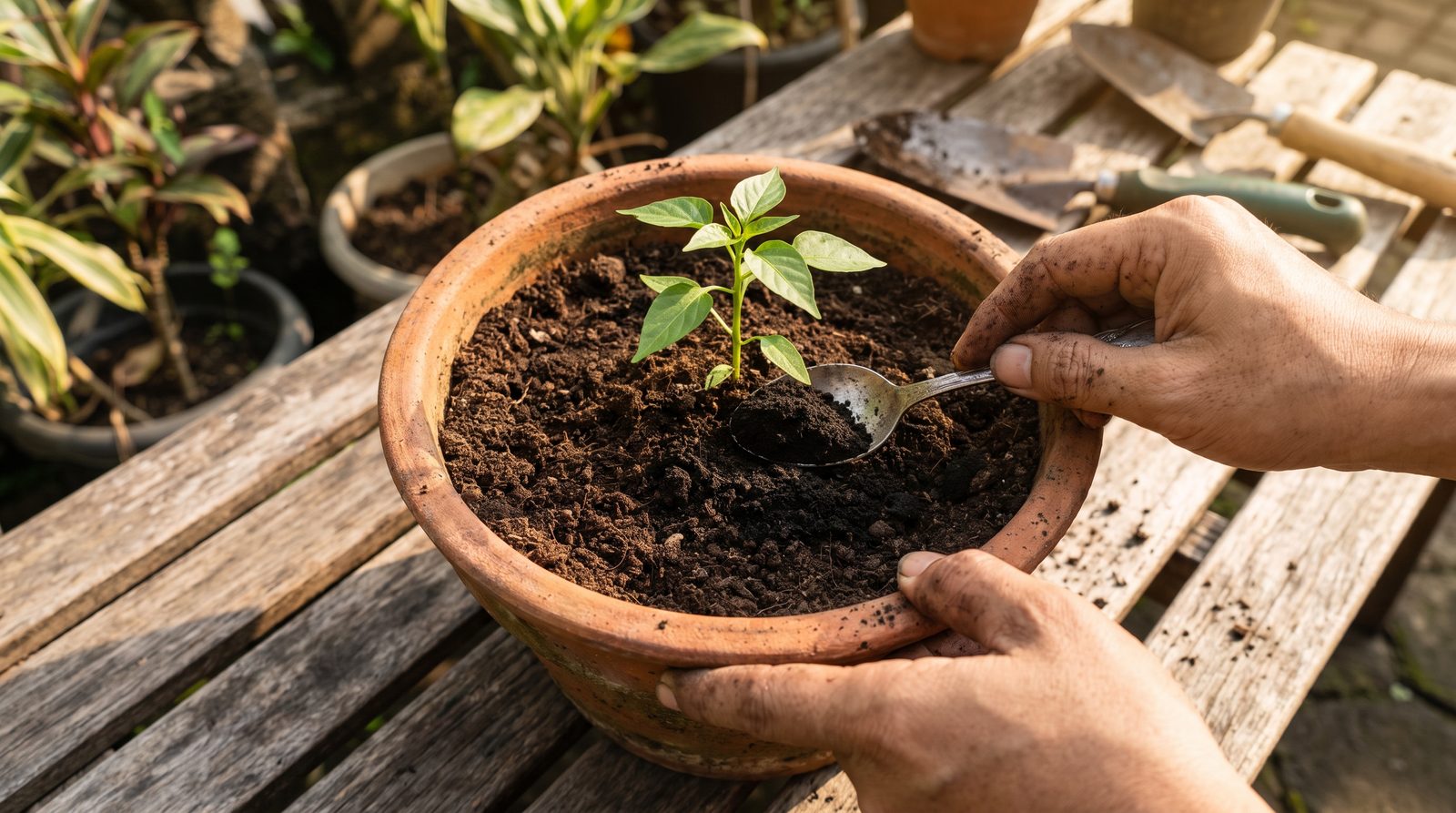
Because guano is a concentrated organic input, a little genuinely goes a long way. The dosages below are a general guide for home growers, treat them as a starting point, not a rigid rule, since soil and pot size vary:
- Potted plants: roughly 1–2 tablespoons mixed into the soil of a medium pot.
- Garden beds: a light, even scattering worked into the bed before planting.
- Established plants: a small top-dressing every 4–6 weeks during active growth.
Start on the lighter side and watch how your plants respond over the following week. You can always add more, but it is hard to pull back once you have over-applied. Bat Guano suits a wide range of crops:
- Fruiting vegetables like tomatoes, chillies, and eggplant lean on the phosphorus during flowering and fruit set.
- Leafy greens such as spinach and kangkung respond to the nitrogen with fuller, greener foliage.
- Fruit trees and ornamentals take it well as a slow, steady feed worked in around the drip line.
For phosphorus-hungry flowering and fruiting crops, high-phosphorus Bat Guano is a natural fit. On coastal or sandy soils, Seabird Guano is a useful complement.
Benefits and Safe Handling
The real value of Bat Guano is that it works on two fronts at once. It supplies nitrogen, phosphorus, and potassium in a form plants take up gradually, which lowers the risk of fertilizer burn that catches out gardeners using synthetics. At the same time, it adds beneficial microbes and organic matter that improve soil structure, water retention, and long-term fertility. After a few seasons of regular use, you can usually see the difference, the soil looks darker, feels looser in the hand, and holds moisture longer.
Guano also fits naturally into organic, chemical-free growing. It carries no synthetic salts, so it works just as well in container gardens and raised beds as it does in open field crops.
Handle it sensibly. Dry guano is a fine powder, so wear a dust mask and gloves when you mix it, work somewhere ventilated, and wash your hands afterwards. Keep the bag sealed in a cool, dry place to protect its quality and its microbial life.
Used thoughtfully, Bat Guano is one of the most dependable organic fertilizers you can keep on the shelf, gentle on plants, generous to the soil, and effective across nearly every crop you are likely to grow.
Frequently asked questions
Yes, Bat Guano suits most crops, from leafy greens and fruiting vegetables to fruit trees and ornamentals. For flowering and fruiting plants choose a high-phosphorus guano; for leafy growth a higher-nitrogen guano works best. Always start with a light dose and adjust as you see how plants respond.
For established plants, a light top-dressing every 4–6 weeks during active growth is a good rhythm. If you mix it into the soil before planting, that base application often carries young plants through their early weeks before you need to feed again.
It is much gentler than synthetic fertilizer because nutrients release slowly and there are no synthetic salts. The main risk is over-application, so stick to recommended dosages, keep dry guano a few centimetres from stems, and always water it in.
Both are aged droppings rich in organic nutrients and beneficial microbes, and they are used in similar ways. They simply come from different sources with slightly different nutrient profiles, so Seabird Guano is a useful complement, especially for coastal or sandy soils.
Related products
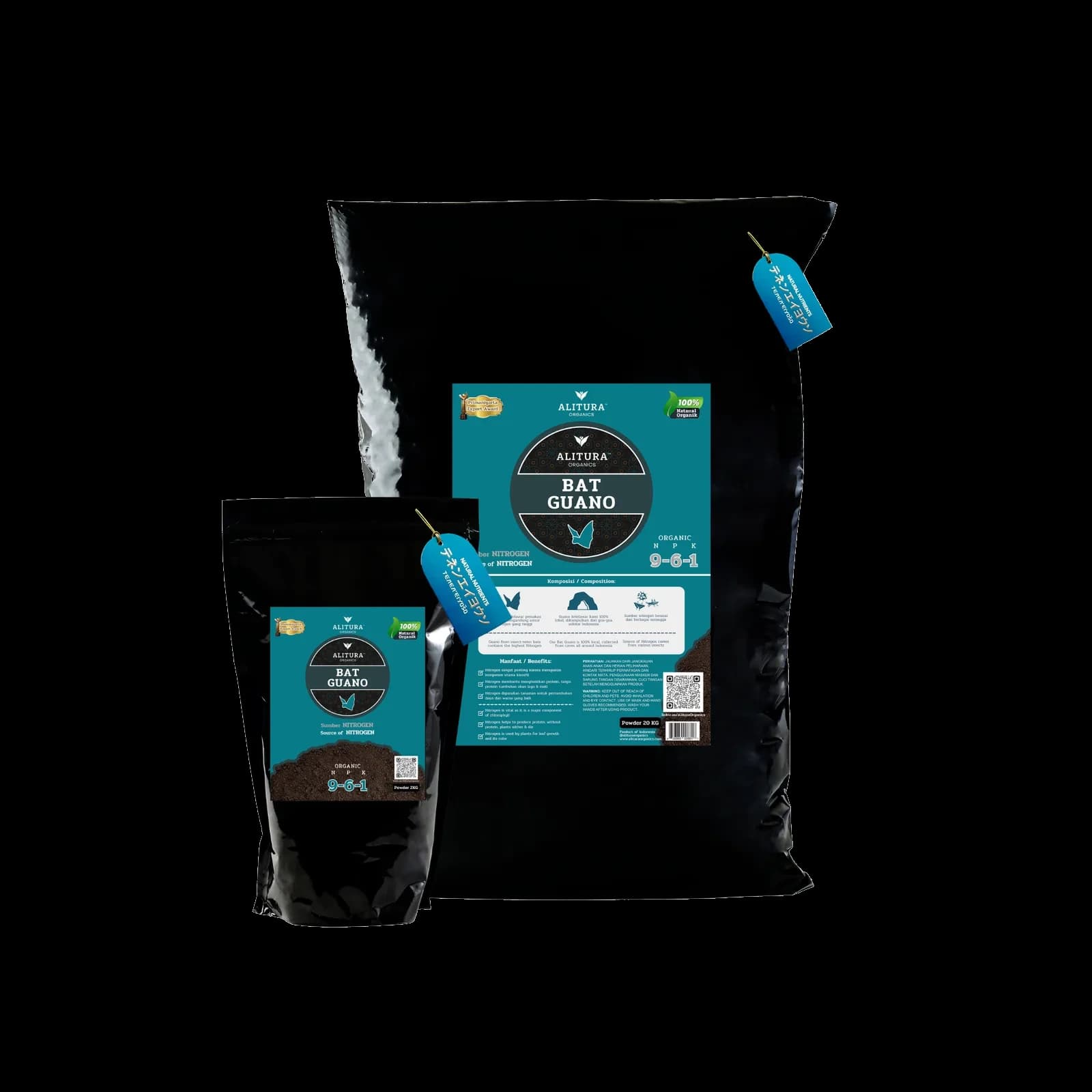
Bat Guano
Natural Source of Nitrogen and Phosphorus
From IDR 28.000 / Kg(Packaging 20Kg)
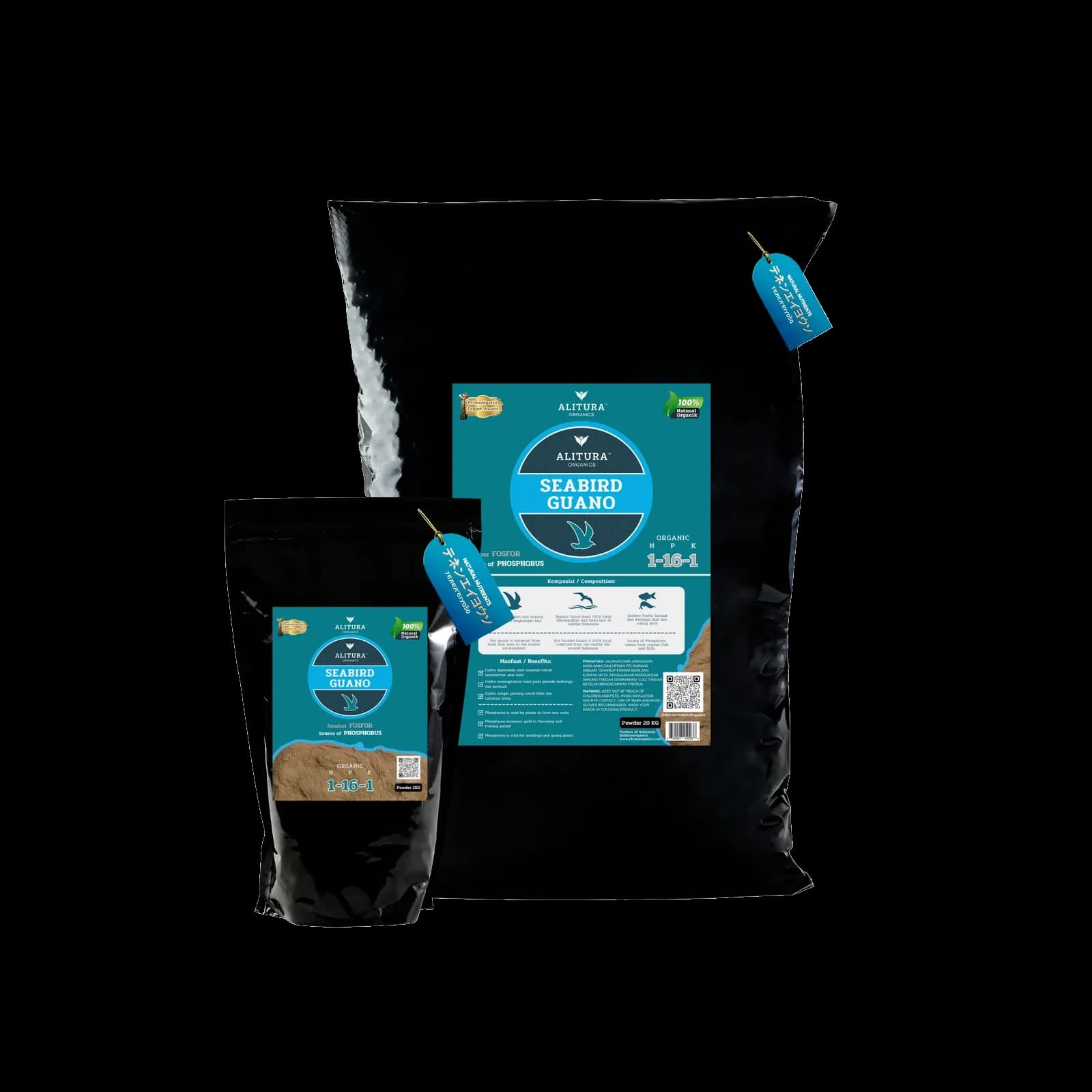
Seabird Guano
Natural Source of Phosphorus
From IDR 27.000 / Kg(Packaging 20Kg)
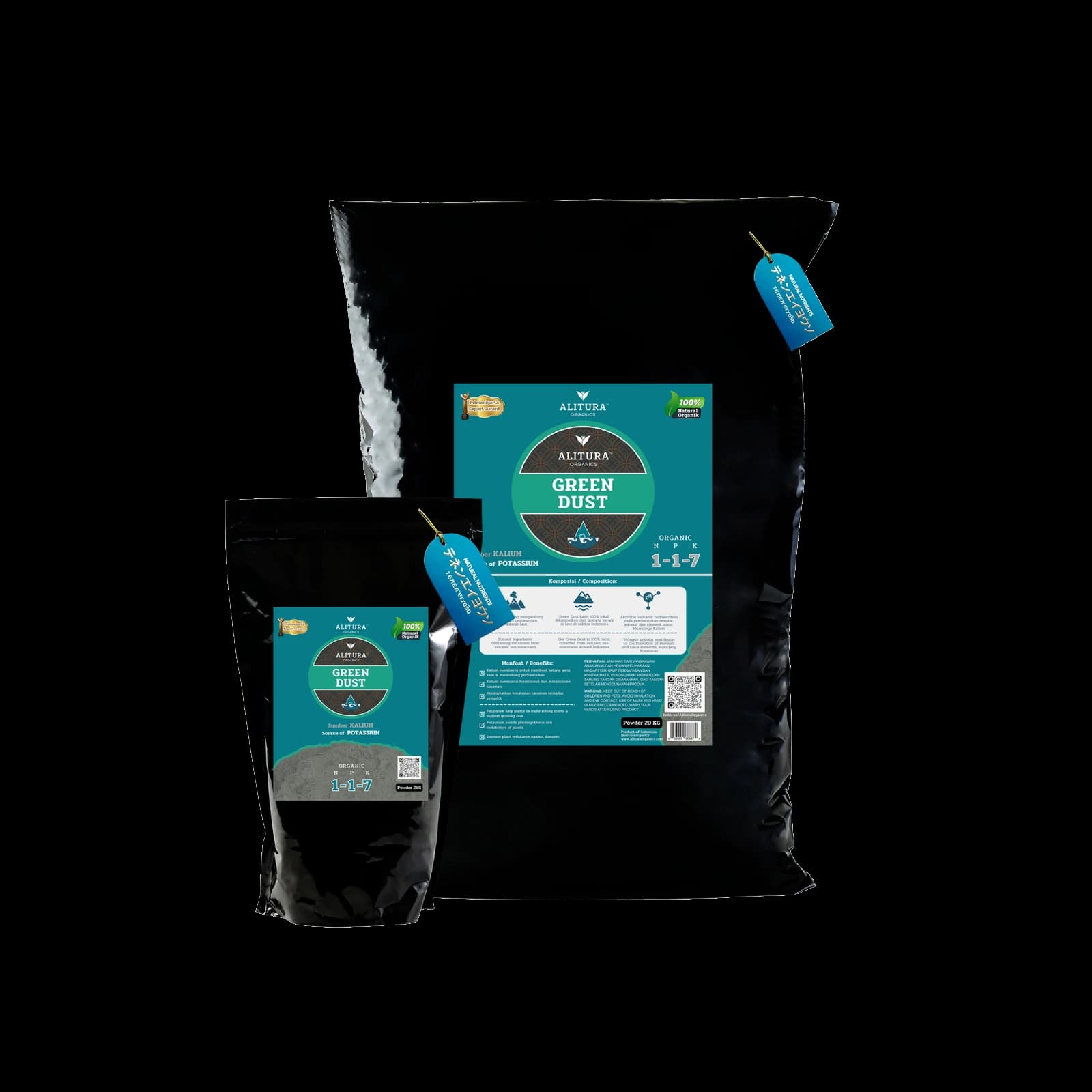
Green Dust
Natural Source of Potassium and Volcanic Mountain Minerals
From IDR 28.000 / Kg(Packaging 20Kg)
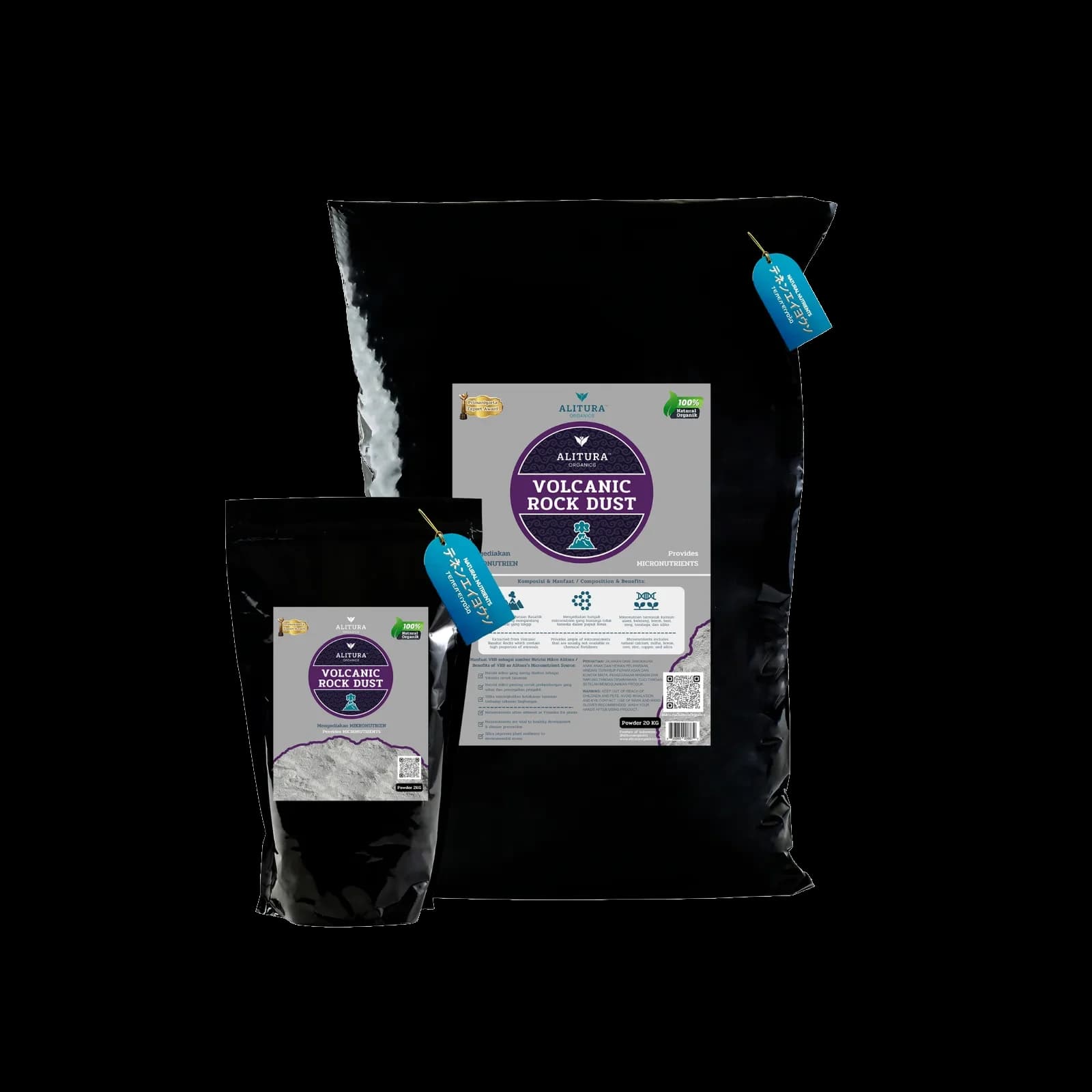
Volcanic Rock Dust
Provides Micronutrients
From IDR 27.000 / Kg(Packaging 20Kg)