
The Risks of Excessive Chemical Fertilizer Use and the Benefits of Organic Fertilizer

By George Vie
Published 2026-07-13
Chemical fertilizer is not automatically harmful—the problem is excessive, unbalanced use. Learn what happens in soil and water, how organic fertilizer helps, and how to make a realistic transition.

Fertilizer is a tool, not an enemy. Mineral or “chemical” fertilizer can supply nutrients quickly and has an important role in food production. The risk begins when it is applied beyond crop needs, at the wrong time, or as the only answer to declining soil fertility. Plants can only use a limited amount of nutrients; the rest may accumulate, escape into water and air, or disturb the balance of the soil.
This distinction matters. A healthy fertilization program is not defined by the loudest label on the bag. It is defined by the right nutrient, at the right dose, at the right time, and in the right place, supported by organic matter and observation of the soil.
What Can Happen When Chemical Fertilizer Is Overused?
1. Roots can experience salt stress
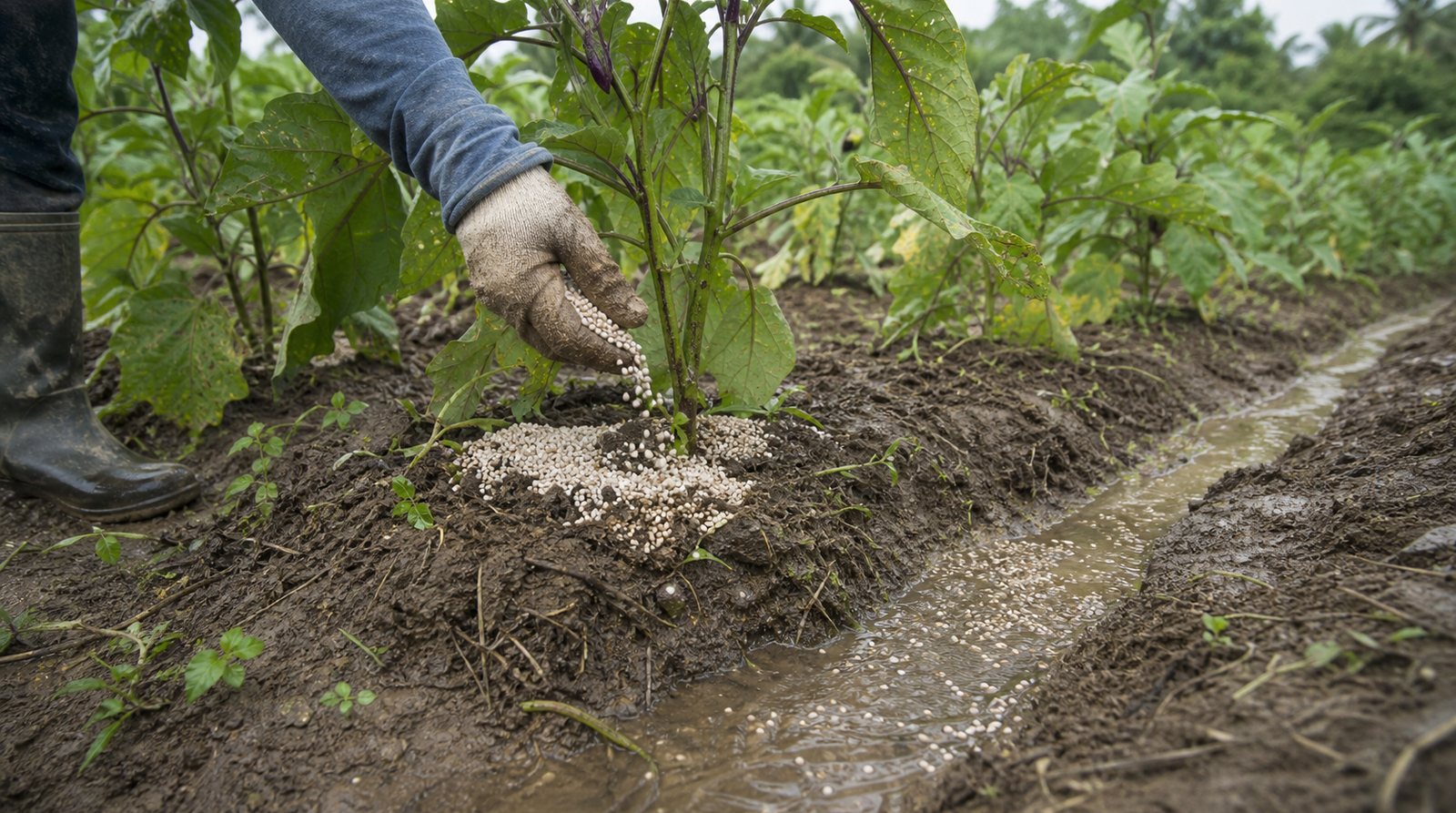
Many fast-acting fertilizers dissolve into salts in soil water. At an appropriate dose, those dissolved nutrients are useful. At an excessive concentration—especially in dry soil or too close to the stem—they can make it harder for roots to take up water. Leaf edges may scorch, young roots may be damaged, and plants can wilt even while the soil looks moist.
2. Soil can gradually become more acidic
Long-term, intensive use of some ammonium-based nitrogen fertilizers can lower soil pH. A major field analysis published in Science documented significant acidification across intensively managed Chinese croplands between the 1980s and 2000s. The exact effect varies with fertilizer type, dose, rainfall, soil, and liming practice, so a pH test is more reliable than guessing from the crop alone.
3. Nutrients can become unbalanced
Adding more N, P, or K does not guarantee that plants can use it. Too much of one nutrient may interfere with the availability of another, while missing organic matter can leave soil physically compacted and biologically underfed. This is why a plant may look weak even after repeated fertilization: the problem may be pH, roots, drainage, or a micronutrient imbalance rather than a lack of total fertilizer.
4. Excess nutrients can leave the field
Nitrogen and phosphorus that are not captured by crops can move with runoff or leach toward groundwater. In rivers and lakes, excess nutrients can drive algal growth and lower oxygen levels. Fertilized soils can also release nitrous oxide, a powerful greenhouse gas. Organic sources are not exempt from nutrient loss either—manure, guano, and compost can also pollute when applied carelessly. Dose and timing still matter, whatever the source.
What Organic Fertilizer Does Differently
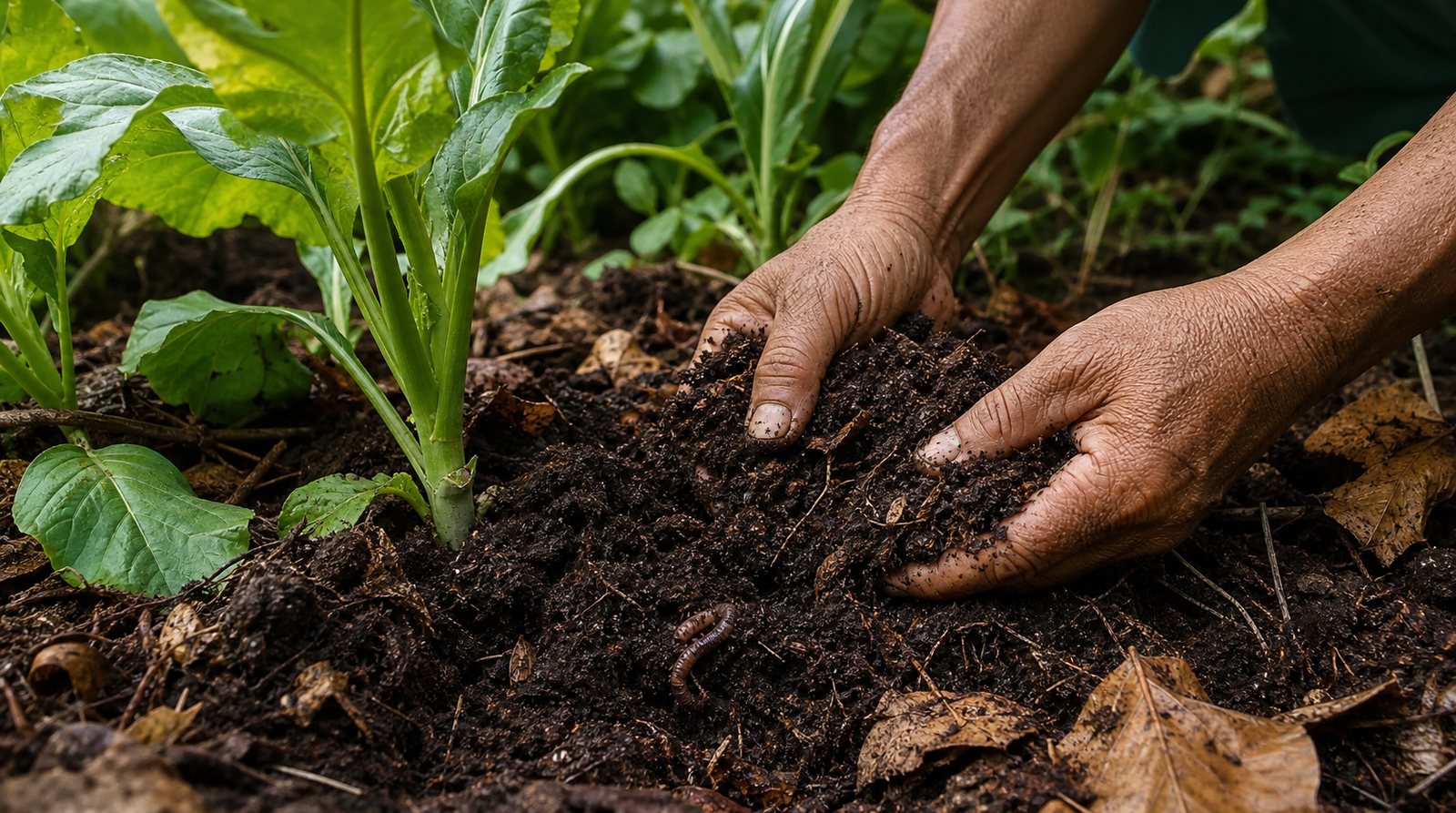
Organic fertilizer is made from plant, animal, or naturally occurring mineral materials. Its strongest advantage is not simply that it is “natural.” It is that many organic inputs deliver nutrients together with carbon and organic matter, helping improve the medium in which roots live.
It helps build soil structure
Well-matured compost and other stable organic materials help soil particles form aggregates. Better aggregation creates spaces for air and water, makes heavy soil easier to work, and helps sandy soil retain moisture and nutrients. The result develops gradually, but it is a benefit that lasts beyond one feeding cycle.
It feeds soil life
Organic matter provides energy and habitat for the bacteria, fungi, and small organisms involved in nutrient cycling. Long-term field studies have found that combining organic amendments with balanced nutrients can improve microbial activity, soil carbon, and aspects of soil structure compared with mineral fertilizer alone. Results vary by crop, climate, soil, and the quality of the organic input—there is no single mixture that performs identically everywhere.
Nutrients are generally released more gradually
As organic material decomposes, nutrients become available over time. This can reduce sudden concentration around roots and provide steadier feeding. “Slow release,” however, does not mean “impossible to overuse.” Concentrated guano, immature manure, or poorly composted material can still damage plants or introduce hygiene risks. Use a mature, clearly labelled product and follow its dose.
It supports resilience, not instant miracles
Soil rich in organic matter usually holds water and nutrients better, giving roots a more buffered environment during hot or dry periods. The improvement is cumulative. Organic fertilizer should be seen as part of a soil-building system—not a promise that every pest, disease, or deficiency will disappear after one application.
Chemical vs Organic: The Useful Way to Compare Them
- Speed: mineral fertilizer is usually faster and more precisely concentrated; organic fertilizer generally releases nutrients more gradually.
- Effect on the growing medium: mineral fertilizer mainly supplies nutrients; many organic inputs also add carbon and improve physical and biological soil properties.
- Risk: either source can be misused. Concentrated mineral salts can burn roots, while excessive or immature organic material can also cause nutrient loss, root stress, odor, or contamination.
- Best decision: base the program on crop needs, soil condition, product analysis, and local agronomic advice—not on the assumption that “more” means “better.”
A Realistic Way to Transition
You do not have to change an entire farm overnight. A measured transition is easier to evaluate and less likely to disrupt yield.
- Test the soil first. At minimum, check pH and learn the field's history. For commercial plots, a laboratory nutrient analysis is worth the cost.
- Start with one bed or block. Keep a comparison area and record fertilizer dose, plant response, watering, yield, and soil condition.
- Add mature organic matter. Use well-processed compost, leaf-based soil conditioner, or a quality organic fertilizer. Avoid fresh manure directly at the root zone.
- Reduce excess, not plant nutrition. Adjust mineral fertilizer gradually according to soil results and crop response. In some systems, integrated use of organic and mineral nutrients is more practical than an abrupt all-or-nothing switch.
- Split applications. Several smaller, well-timed doses are often safer and more efficient than one large application.
- Protect the soil surface. Mulch, cover crops, and good drainage reduce erosion and help keep nutrients in the root zone.
For a balanced organic foundation, Alitura's Reserve supplies NPK from guano and natural mineral sources. Bat Guano and Seabird Guano are more concentrated inputs that should be matched to the crop phase, while Volcanic Mineral can support longer-term mineral and humic inputs. Always begin with the label dose and adjust to actual soil and crop conditions.
The Main Principle: Feed the Plant While Rebuilding the Soil
Fast plant growth and long-term soil health do not have to be opposing goals. Chemical fertilizer becomes risky when speed replaces measurement and soil care. Organic fertilizer becomes valuable when it is mature, appropriately dosed, and combined with good agronomy.
The most responsible program is simple in principle: measure what the soil needs, return organic matter, prevent nutrients from escaping, and observe the crop before adding more. Healthy soil is not created by one bag. It is built through many small, consistent decisions.
Further Reading
Frequently asked questions
No. Mineral fertilizer can be useful and efficient when the product, dose, timing, and placement match crop needs. Problems usually arise from over-application, imbalance, poor timing, or relying on fertilizer while ignoring pH, organic matter, drainage, and soil condition.
Yes, if it is concentrated, immature, or applied excessively. Guano and fresh manure can be particularly strong. Use mature, clearly labelled material, keep concentrated fertilizer away from stems, apply to moist soil, and follow the recommended dose.
Not necessarily. For an established farm, test the soil and reduce excess gradually while adding mature organic matter. A small comparison plot makes the effect easier to measure, and integrated nutrient management may be the most practical transition for some crops.
Nutrient response may appear within weeks, but improvements in structure, organic matter, and water retention build across planting cycles. Consistent application, mulch, crop cover, and reduced nutrient loss matter more than one heavy dose.
Related products
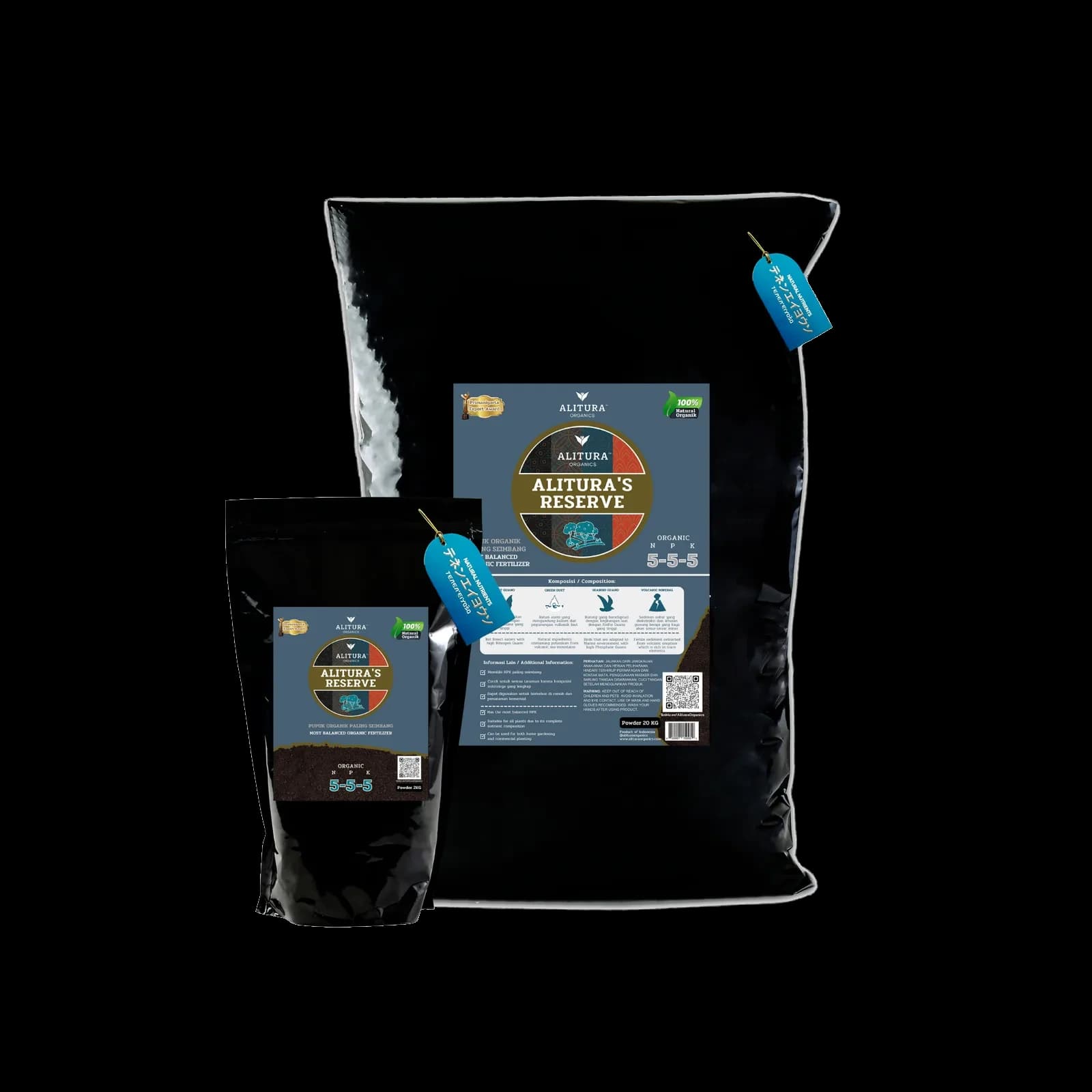
Alitura's Reserve
Most Balanced NPK 5-5-5 Organic Nutritional Fertilizer
From IDR 28.000 / Kg(Packaging 20Kg)
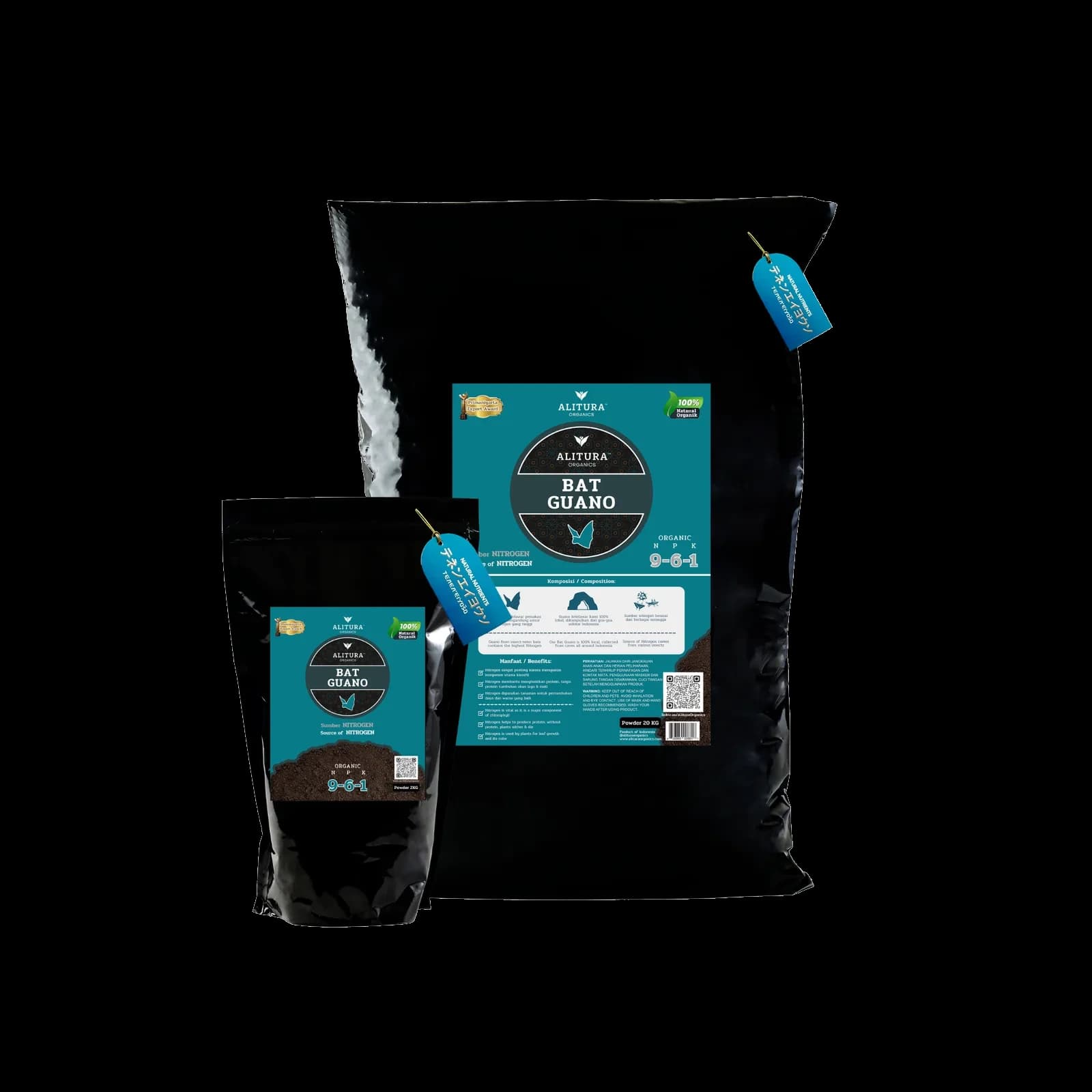
Bat Guano
Natural Source of Nitrogen and Phosphorus
From IDR 28.000 / Kg(Packaging 20Kg)
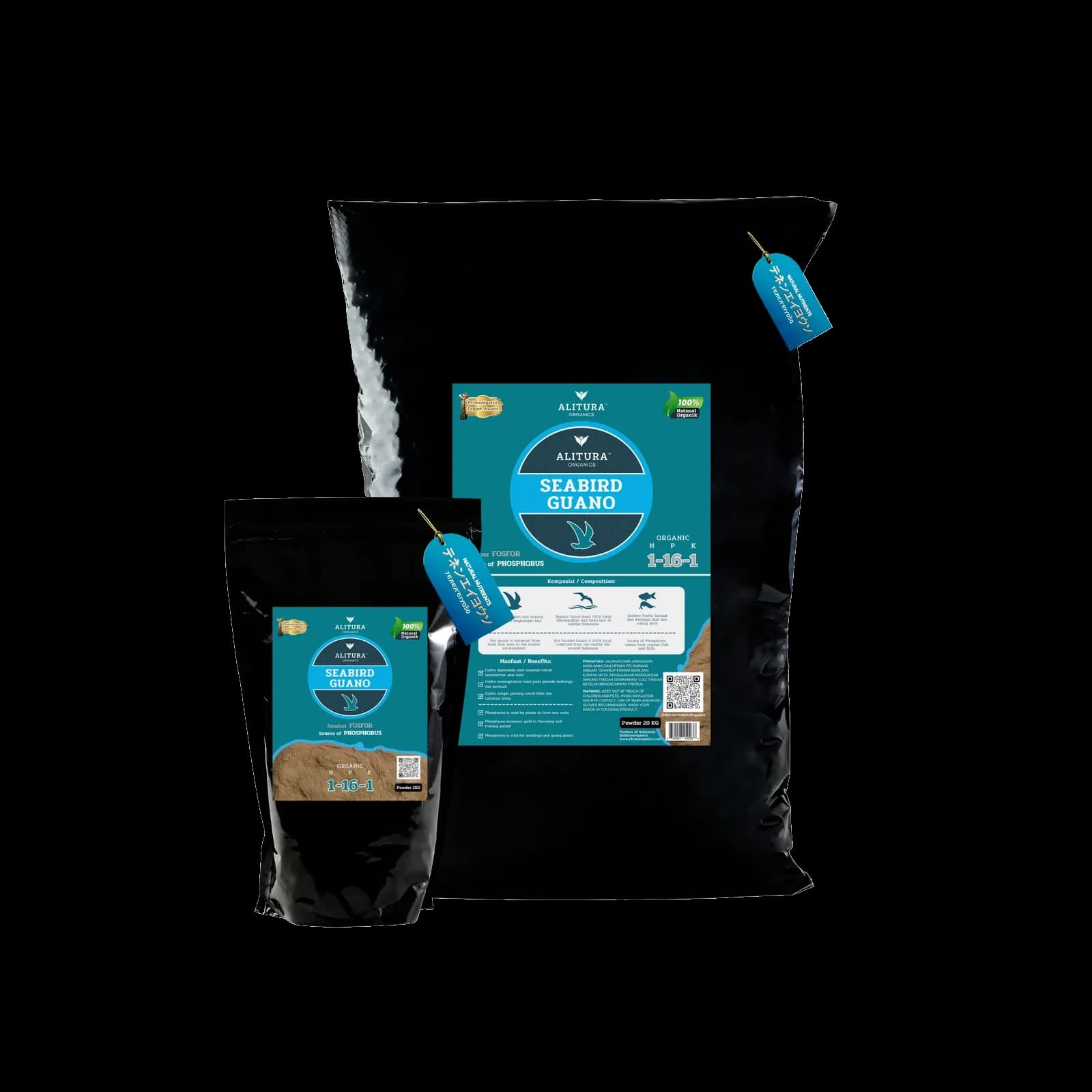
Seabird Guano
Natural Source of Phosphorus
From IDR 27.000 / Kg(Packaging 20Kg)
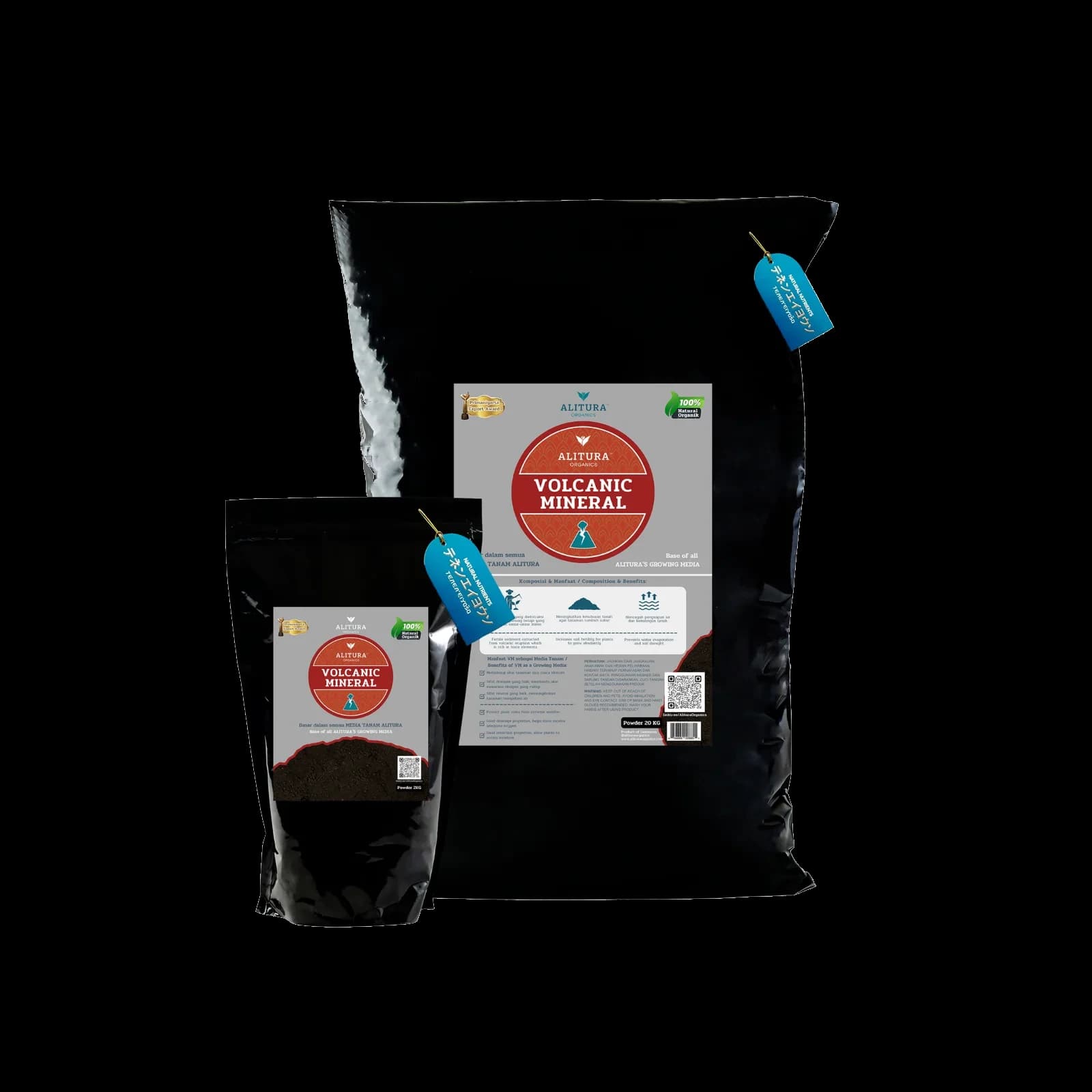
Volcanic Mineral
Organic Carbon, Humic Acid
From IDR 27.000 / Kg(Packaging 20Kg)